
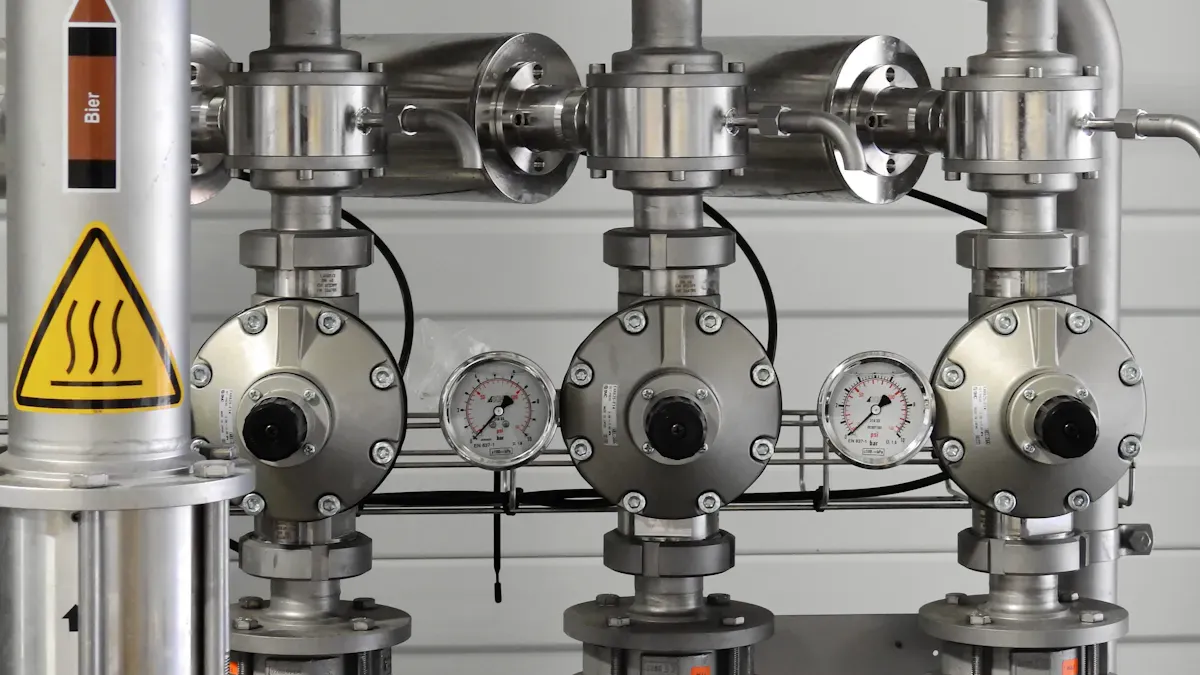
ATEX and IECEx certifications play a crucial role in ensuring the safety of solenoid coils in hazardous environments. Compliance with these standards meets market demands for reliability and safety. Certification not only enhances product acceptance across European markets but also facilitates access to global markets. Non-compliance can lead to legal issues and reduced trust among consumers.
Key Takeaways
- ATEX certification is essential for solenoid coils in Europe, ensuring safety in explosive environments and compliance with EU regulations.
- IECEx certification provides a global standard, allowing manufacturers to access international markets and enhance product credibility.
- Manufacturers should carefully evaluate their certification needs based on application environments and target markets to ensure compliance and market success.
Understanding ATEX Certification
Definition and Scope
ATEX, which stands for “Explosive Atmospheres,” refers to the European Union directive that governs equipment used in explosive atmospheres. This certification is essential for products like solenoid coils that operate in environments where flammable gases, vapors, or dust may be present. The ATEX directive aims to ensure that equipment does not ignite these hazardous materials, thereby protecting both personnel and property.
The scope of ATEX certification encompasses various industries, including:
| Industry | Reason for ATEX Certification |
|---|---|
| Oil and Gas | Areas classified as constantly hazardous due to explosive gases. |
| Chemical Production | Operations often involve flammable substances and environments. |
| Pharmaceutical Manufacturing | Ensures safety in environments with potential ignition sources. |
Key Requirements
To achieve ATEX certification, solenoid coils must meet several critical technical requirements. Compliance with ATEX Zone 1 requirements is essential to minimize explosion risks in hazardous environments. Adherence to safety standards ensures that solenoid valve coils meet protection methods like flameproof or intrinsic safety designs.
Key selection criteria include:
- Safety standards and certifications (e.g., UL and IECEx).
- Material compatibility to resist chemical corrosion and maintain structural integrity.
- Electrical specifications such as voltage ratings, insulation class, and duty cycle to prevent overheating.
These requirements ensure that solenoid coils can operate safely in environments where the risk of explosion is significant. Manufacturers must rigorously test their products to confirm compliance with these standards before they can market them in Europe.
Understanding IECEx Certification
Definition and Scope
IECEx stands for the International Electrotechnical Commission System for Certification to Standards Relating to Equipment for Use in Explosive Atmospheres. This certification system provides a global standard for equipment used in hazardous locations. IECEx certification ensures that solenoid coils and other equipment can operate safely in environments where explosive gases, vapors, or dust may be present.
The IECEx certification process is recognized internationally, making it essential for manufacturers aiming to access global markets. The scope of IECEx certification includes various industries, similar to ATEX, such as:
| Industry | Reason for IECEx Certification |
|---|---|
| Oil and Gas | Equipment must withstand explosive conditions prevalent in these sectors. |
| Mining | Ensures safety in environments with combustible dust and gases. |
| Chemical Processing | Protects against ignition sources in facilities handling flammable materials. |
Key Requirements
To achieve IECEx certification, solenoid coils must adhere to specific technical requirements. These requirements ensure that the equipment can function safely in explosive atmospheres. The following table outlines the key features necessary for IECEx certification of solenoid coils:
| Feature | Description |
|---|---|
| Certification | ATEX and IECEx Type Examination Certificates |
| Design | 37 mm Ex dm solenoid coils with a rotatable, modular design |
| Application | Suitable for hazardous Zone 1/21 applications |
| Compliance | Meets Ex dm requirements to prevent explosion risks in flammable environments |
| Housing | 360-degree rotatable, fiberglass-reinforced plastic housing |
| Encapsulation | Fully encapsulated in epoxy resin for shock resistance and corrosion protection |
| Modularity | Modular design allows different coil options on the same valve and compatibility with multiple valve types. |
Manufacturers must ensure that their solenoid coils meet these requirements through rigorous testing and evaluation. Compliance with IECEx standards not only enhances product safety but also increases marketability in regions that recognize this certification.
Comparing ATEX and IECEx Certifications
Certification Processes
The certification processes for ATEX and IECEx differ significantly. ATEX certification requires manufacturers to submit their solenoid coils for evaluation by a notified body. This body assesses compliance with the ATEX directive, specifically the 2014/34/EU standard. Manufacturers must provide detailed documentation, including design specifications and risk assessments.
In contrast, IECEx certification follows a more streamlined approach. Manufacturers can obtain IECEx certification through a recognized IECEx certification body. This process emphasizes international standards, allowing for easier acceptance across borders.
Testing and Compliance Standards
Both ATEX and IECEx certifications mandate rigorous testing to ensure safety in explosive atmospheres. ATEX requires compliance with specific European standards, including EN 60079, which outlines the requirements for equipment used in explosive atmospheres. Equipment must also carry markings indicating suitability for specific zones.
IECEx, on the other hand, adheres to international standards set by the International Electrotechnical Commission. This certification ensures that solenoid coils meet global safety requirements, making them suitable for various hazardous applications.
Geographic Relevance
ATEX certification is primarily applicable within the European Union. It is essential for solenoid coils used in industries such as mining, oil refineries, and chemical plants, where flammable gases and vapors are present. The ATEX directive ensures that equipment meets safety standards for potentially explosive atmospheres.
IECEx certification holds international significance. It is recognized across multiple countries, providing a global standard for equipment used in hazardous locations. While no specific regions mandate IECEx certification, its acceptance facilitates market access worldwide.
Navigating the Certification Process for Solenoid Coils
Steps for ATEX Certification
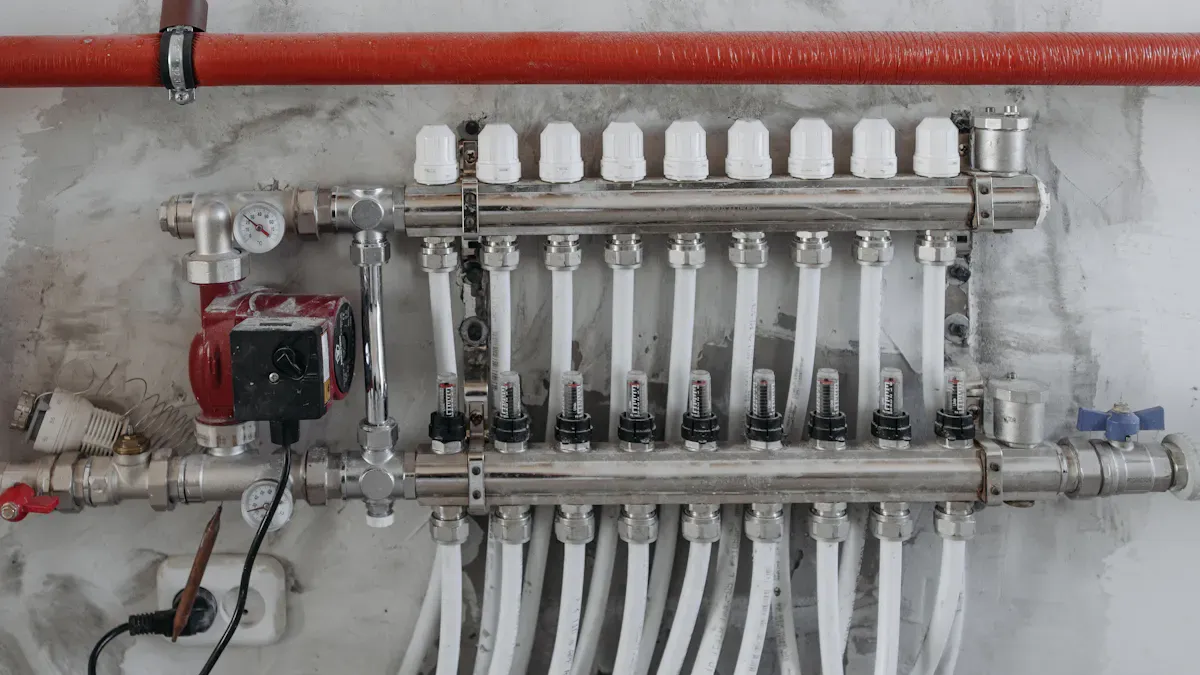
Manufacturers seeking ATEX certification for solenoid coils must follow a structured process. The steps include:
- Documentation Preparation: Gather all necessary technical documentation, including design specifications and risk assessments.
- Engagement with Notified Body: Submit the documentation to a notified body for evaluation.
- Testing: Undergo rigorous testing to ensure compliance with the ATEX directive.
- Certification Issuance: Upon successful evaluation, receive the ATEX certificate, allowing market access in the EU.
Steps for IECEx Certification
The IECEx certification process is more streamlined. Manufacturers should:
- Select a Certification Body: Choose a recognized IECEx certification body.
- Submit Technical Documentation: Provide detailed technical documentation for review.
- Conduct Testing: Complete necessary testing to meet international standards.
- Obtain IECEx Certificate: After passing evaluations, receive the IECEx certificate, facilitating global market entry.
Common Challenges and Solutions
Manufacturers often face several challenges during the certification process for solenoid coils. These include:
- Meeting regulatory compliance
- Ensuring material and design quality
- Addressing energy efficiency and power consumption
- Maintaining reliability under frequent cycling
- Integrating advanced technologies such as IoT
- Managing electromagnetic interference
- Ensuring durability in harsh industrial environments
- Balancing cost-effectiveness with quality
To overcome these challenges, manufacturers can invest in thorough training for their teams, collaborate with experienced certification bodies, and implement robust quality management systems. These strategies enhance the likelihood of successful certification and improve product reliability.
Choosing the Right Certification for Solenoid Coils
Factors to Consider
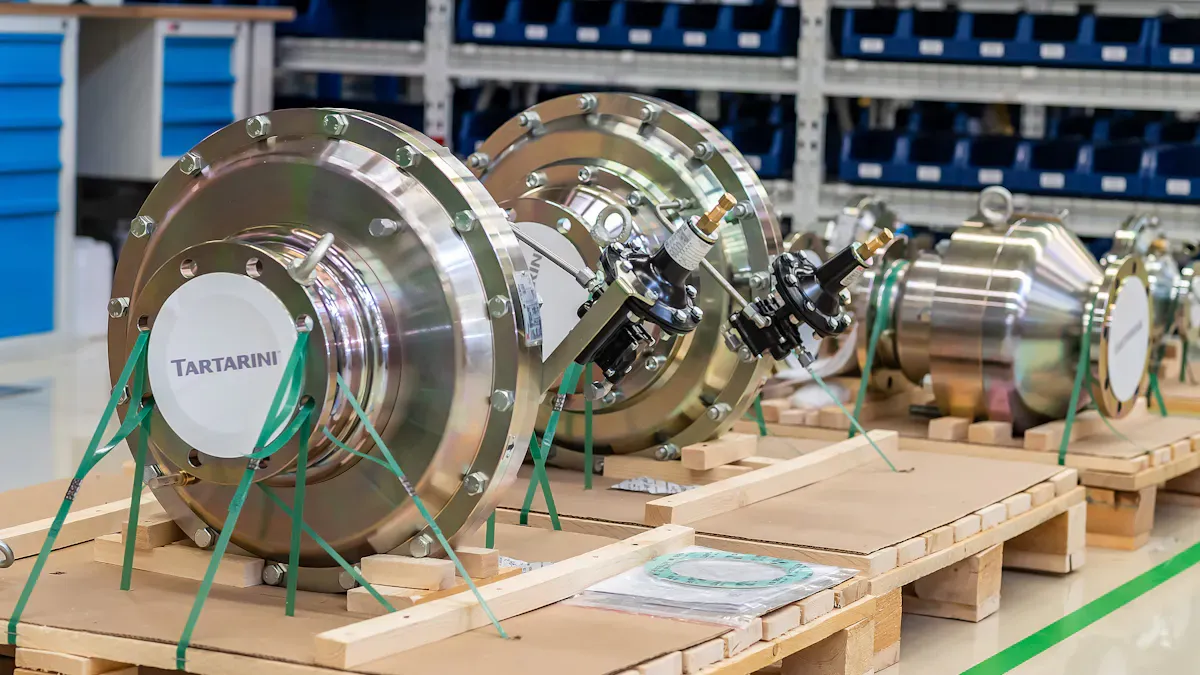
When selecting the appropriate certification for solenoid coils, manufacturers should evaluate several factors. These include the application environment, regulatory requirements, and target markets. Different certifications cater to specific regions and industries. For instance, UL certification confirms compliance with safety standards in North America, while IECEx certification ensures global acceptance in hazardous applications.
| Certification | Description |
|---|---|
| UL Certification | Confirms compliance with safety standards specific to North America (United States and Canada). |
| IECEx Certification | Provides international certification, ensuring acceptance in hazardous applications worldwide. |
Market Implications
Choosing the right certification impacts market access significantly. ATEX certification is essential for manufacturers targeting the European market, while IECEx certification opens doors to international markets. Companies must align their certification strategy with their business goals. A well-chosen certification can enhance product credibility and foster customer trust.
Cost Considerations
Cost plays a crucial role in the certification decision-making process. Manufacturers should assess the expenses associated with obtaining each certification. This includes testing fees, documentation costs, and potential modifications to meet compliance standards. While initial costs may be high, the long-term benefits of market access and enhanced safety can outweigh these expenses.
By carefully considering these factors, manufacturers can make informed decisions regarding solenoid coil certifications that align with their operational goals and market strategies.
ATEX and IECEx certifications serve distinct yet complementary roles in ensuring safety and market access for solenoid coils.
- Enhanced Safety: Both certifications ensure equipment meets strict safety standards, reducing accident risks in hazardous environments.
- Market Access: ATEX is mandatory in the EU, while IECEx is recognized globally, facilitating international operations.
Manufacturers must prioritize compliance to navigate the complexities of certification effectively. Informed certification choices can significantly impact operational success and safety.
FAQ
What is the main difference between ATEX and IECEx certifications?
ATEX certification is specific to the European market, while IECEx certification provides a global standard for equipment used in explosive atmospheres.
How long does the certification process take?
The certification process duration varies. ATEX may take several months, while IECEx can be quicker, depending on documentation and testing requirements.
Are ATEX and IECEx certifications interchangeable?
No, ATEX and IECEx certifications are not interchangeable. Each serves distinct regulatory environments and market requirements, necessitating separate compliance efforts.
Post time: Apr-06-2026