
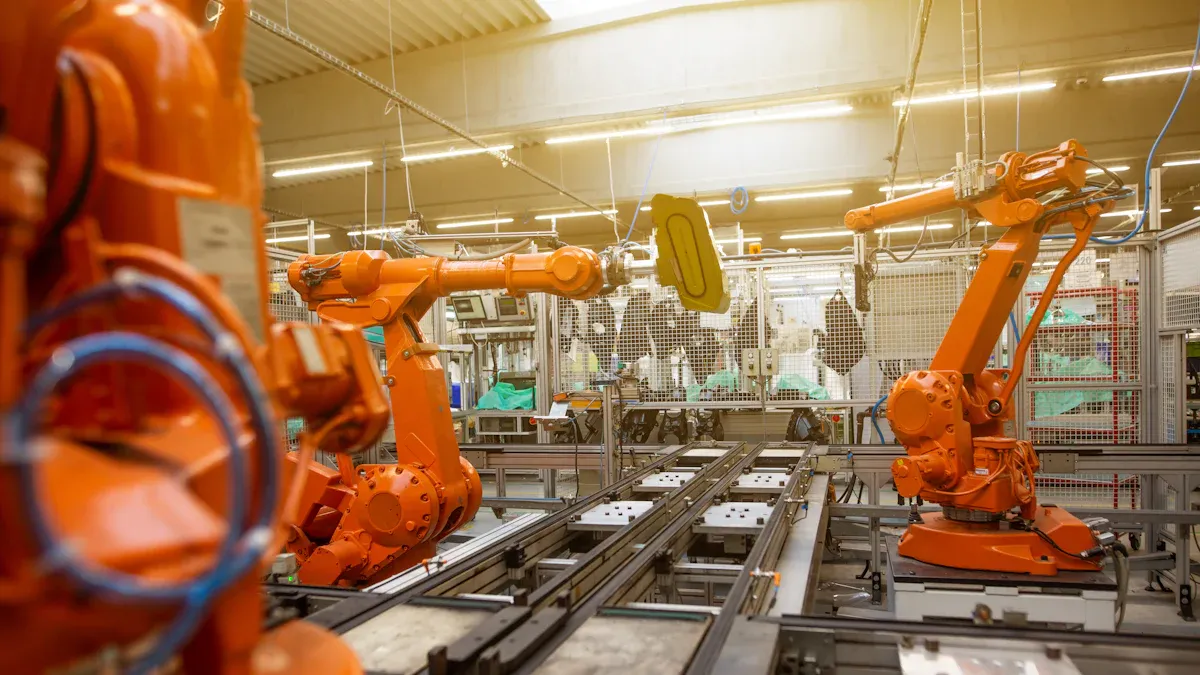
Unplanned downtime poses a significant challenge in automotive manufacturing. It disrupts production schedules, increases costs, and affects overall efficiency. Predictive coil maintenance offers a promising solution for reducing unplanned downtime. By anticipating equipment failures before they occur, manufacturers can minimize disruptions, enhance productivity, and ultimately achieve substantial reductions in unplanned downtime.
Key Takeaways
- Predictive coil maintenance can reduce unplanned downtime by up to 35%, enhancing production efficiency and saving costs.
- Implement a structured approach by mapping critical machines, collecting baseline data, and using AI for failure predictions.
- Investing in predictive maintenance technologies leads to long-term benefits, including lower repair costs and better workforce allocation.
Challenges in Automotive Manufacturing
Automotive manufacturing faces several challenges that contribute to unplanned downtime. These challenges can disrupt production and increase costs. Understanding these issues is crucial for implementing effective solutions.
One major challenge is equipment failure. Aging industrial assets often lead to more frequent breakdowns. Manufacturers struggle to source replacement parts, which can halt production.
Human error also plays a significant role. Insufficient training for operators can result in mistakes, increasing the likelihood of unplanned downtime.
Environmental factors, such as power outages or extreme weather, can trigger equipment failures. These conditions may necessitate unexpected shutdowns, further complicating production schedules.
The following table outlines some common causes of unplanned downtime in German automotive plants:
| Cause | Description |
|---|---|
| Equipment failure | Aging industrial assets lead to more frequent failures and difficulties in sourcing replacement parts. |
| Human error | Insufficient training can lead to operator mistakes, increasing the likelihood of unplanned downtime. |
| Power outages and factors | Environmental conditions like extreme weather can trigger equipment failures or necessitate shutdowns. |
Additionally, operational challenges during coil maintenance can exacerbate these issues. For instance, difficulties in loading coils onto the uncoiler can halt production. Misalignment during loading can lead to inefficiencies and potential damage. Hydraulic lifting failures may cause delays and safety hazards.
The following table summarizes the main operational challenges faced during coil maintenance:
| Operational Challenge | Implication |
|---|---|
| Difficulty loading coils onto the uncoiler | Can halt production if coils cannot be loaded. |
| Coil misalignment during loading | Leads to inefficiencies and potential damage. |
| Hydraulic lifting failures | Can cause delays and safety hazards. |
| Drive system breakdowns | Results in production stoppages. |
| Rail or wheel damage | Affects the mobility of coil cars. |
| Safety hazards for operators | Increases risk of accidents in the workplace. |
Addressing these challenges is essential for reducing unplanned downtime and improving overall efficiency in automotive manufacturing.
Implementing Predictive Coil Maintenance
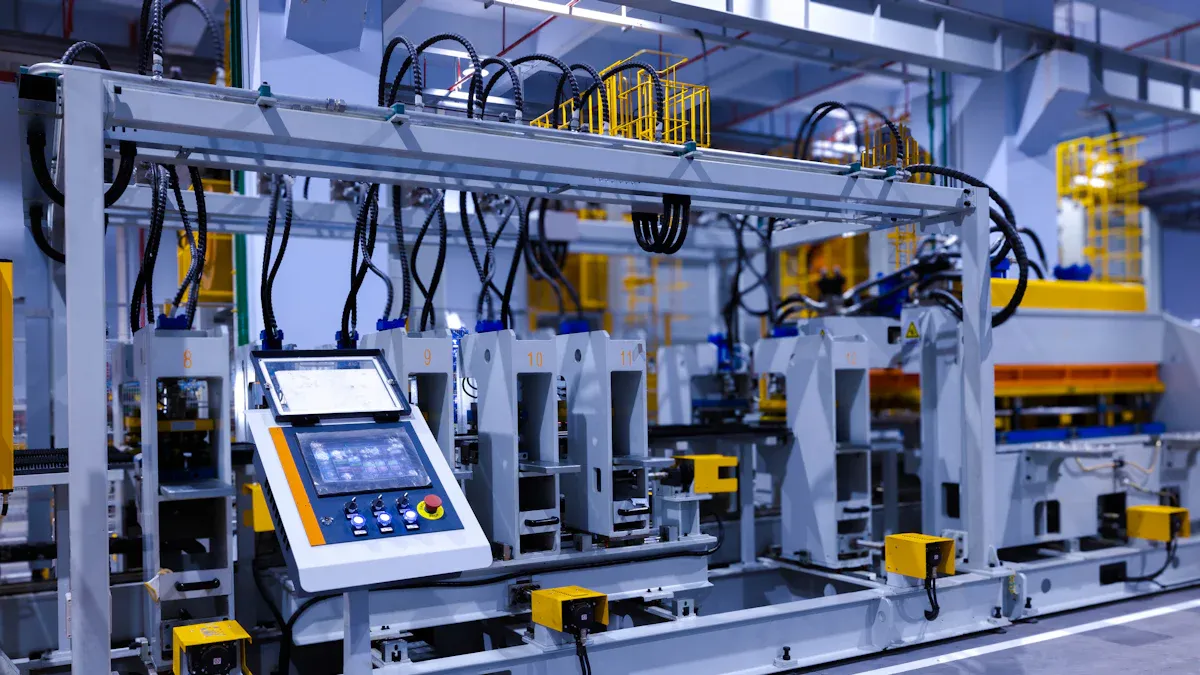
Implementing predictive coil maintenance requires a structured approach. Manufacturers must follow several key steps to ensure successful deployment.
- Map Your Critical Path: Identify machines that could halt production if they fail. Focus on those with the longest mean time to repair.
- Start with Edge-Based Data Collection: Use cellular-connected edge devices to gather data quickly, bypassing IT approval delays.
- Establish Baselines: Collect 2-4 weeks of baseline data to understand normal operating conditions and identify variations.
- Build Failure Prediction Models: Utilize AI to analyze data patterns and predict failures before they occur.
- Integrate with Your CMMS: Ensure that predictions trigger maintenance actions automatically through your maintenance management system.
Several technologies play a crucial role in predictive coil maintenance. These include:
| Technology | Description |
|---|---|
| Vibration Analysis | Monitors vibrations to detect anomalies in machinery operation. |
| Infrared Thermography | Uses thermal imaging to identify overheating components. |
| Ultrasound | Detects high-frequency sounds to identify leaks or mechanical issues. |
| Oil Analysis | Analyzes oil samples to assess the condition of machinery and predict failures. |
| Motor Circuit Analysis | Evaluates electrical circuits to ensure proper functioning and detect potential failures. |
Integrating IoT sensors enhances real-time data collection. Cloud computing facilitates data storage and processing. AI-driven platforms automate diagnostics and fault detection. Machine learning algorithms refine predictive accuracy based on usage patterns.
Initial investments for deploying predictive coil maintenance systems can be substantial. High upfront costs and technical complexities may deter small- and medium-sized enterprises from adopting these technologies. However, the long-term benefits of reducing unplanned downtime make it a worthwhile investment.
Results of Reducing Unplanned Downtime
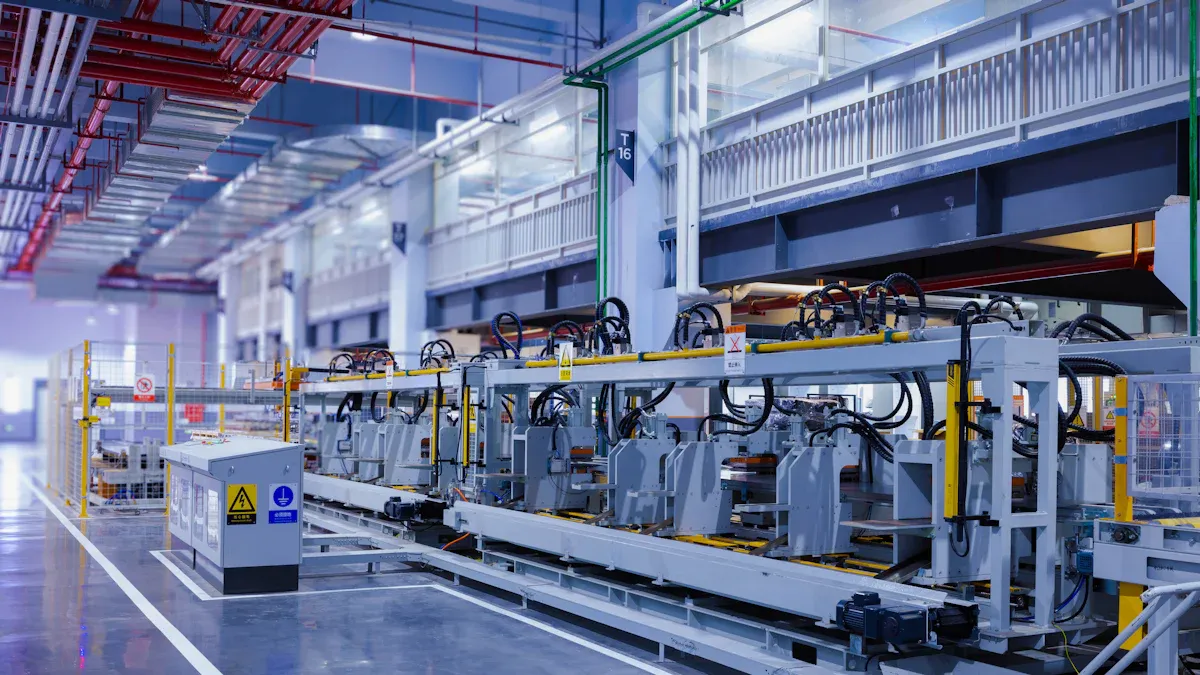
The implementation of predictive coil maintenance in the German automotive plant yielded significant results. By adopting this proactive approach, the plant achieved a remarkable 35% reduction in unplanned downtime. This improvement not only enhanced production efficiency but also contributed to cost savings and better resource allocation.
Key Outcomes
-
Enhanced Productivity:
- Predictive maintenance technologies enabled the plant to detect wear and tear before failures occurred.
- This proactive approach led to reduced downtime for repairs, allowing operators to focus on production rather than emergency fixes.
-
Cost Savings:
- Lower repair costs emerged as a direct benefit of predictive maintenance.
- The plant experienced fewer unexpected breakdowns, which minimized the financial impact associated with unplanned downtime.
-
Improved Workforce Allocation:
- With fewer disruptions, the plant optimized workforce allocation.
- Employees could dedicate more time to value-added activities rather than dealing with equipment failures.
Challenges Encountered
Despite the positive outcomes, the implementation process was not without challenges. The following issues arose during the transition to predictive coil maintenance:
- High Upfront Costs: Significant investments were necessary for sensor deployment and software integration. This financial burden could be prohibitive for smaller operations.
- Long Ramp-Up Period: A 3-6 month period was required to gather baseline data before effective predictions could be made. During this time, the plant experienced minimal benefits.
- Data Infrastructure Requirements: Reliable connectivity and IT security were essential. Issues often arose from incompatible data sources across different equipment manufacturers.
- Skills Gap: Many smaller teams lacked the necessary expertise to manage and maintain predictive maintenance systems effectively.
- Sensor Limitations: Some sensors did not capture all relevant operational issues, leading to communication gaps in maintenance reporting.
Key Performance Indicators (KPIs)
To evaluate the success of predictive coil maintenance, the plant tracked several key performance indicators (KPIs):
- Overall Equipment Effectiveness (OEE)
- Mean Time Between Failures (MTBF)
- Mean Time To Repair (MTTR)
- Breakdown Frequency
- Planned Maintenance Percentage (PMP)
- Preventive Maintenance Compliance (PMC)
- Downtime (%)
- Maintenance Cost per Unit
These KPIs provided valuable insights into the effectiveness of the predictive maintenance strategy and highlighted areas for further improvement.
Predictive coil maintenance delivers clear benefits, including reduced downtime and cost savings. Leading automakers like Toyota and BMW demonstrate its scalability through improved reliability and efficiency. Successful replication requires standardized frameworks, strong cybersecurity, and environmental considerations. Advances in AI and IoT will further drive adoption across automotive manufacturing.
FAQ
What is predictive coil maintenance?
Predictive coil maintenance anticipates equipment failures using data analysis, allowing manufacturers to perform maintenance before breakdowns occur.
How does predictive maintenance reduce costs?
By minimizing unexpected breakdowns, predictive maintenance lowers repair expenses and optimizes resource allocation, leading to significant cost savings.
Can predictive coil maintenance be implemented in small plants?
Yes, small plants can adopt predictive coil maintenance. However, they should consider initial investments and ensure proper training for staff.
Post time: Mar-28-2026