
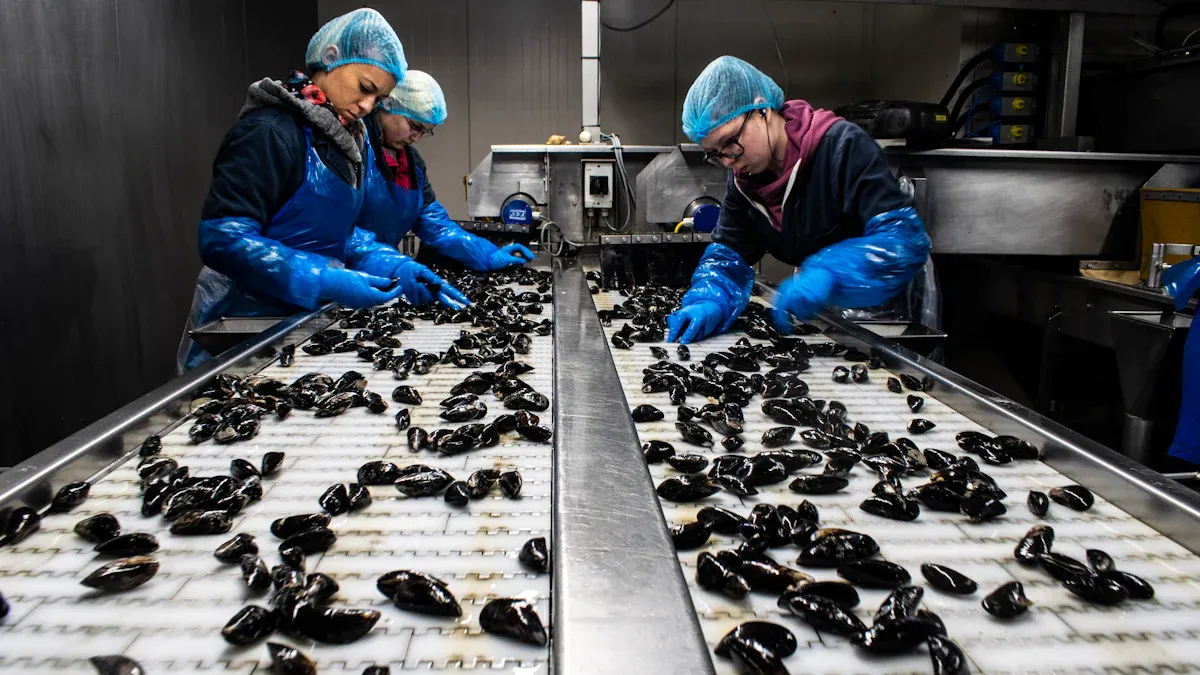
Reliability in food processing hinges on hygienic design. Poor sanitation causes 90% of equipment failures, as shown below:
| Evidence Type | Percentage of Equipment Failures |
|---|---|
| Due to Poor Sanitation Practices | 90% |
Poor hygienic design isn’t just a regulatory concern—it’s a performance killer. Every hard-to-reach bolt, moisture-prone seal, and residue-trapping surface increases sanitation time, contamination risks, and unplanned downtime.
Solenoid valve coils play a vital role in maintaining system integrity during rigorous cleaning cycles.
Key Takeaways
- Hygienic design is crucial for food processing. It reduces contamination risks and enhances cleaning efficiency, leading to safer food and compliance with regulations.
- IP69K solenoid valve coils are essential for reliability. They withstand high-pressure washdowns and harsh cleaning chemicals, ensuring consistent performance in demanding environments.
- Regular maintenance of solenoid valve coils is vital. Conduct inspections and lubricate components to prevent failures and ensure continuous operation in food processing.
Principles of Hygienic Design

Hygienic design principles are essential for ensuring food safety and preventing contamination in processing environments. These principles focus on creating equipment and facilities that are easy to clean and maintain.
Key Design Features
Effective hygienic design incorporates several critical features:
- Smooth and Impervious Surfaces: Equipment should have smooth surfaces that prevent bacteria from hiding. Rounded surfaces and polished finishes minimize crevices, making cleaning easier and reducing contamination risks.
- Coving: This design element ensures that wall and floor joints are cleanable, eliminating potential dirt traps.
- Adequate Lighting: Proper lighting in processing areas enhances visibility, allowing for thorough inspections and cleaning.
- Material Selection: Use robust, smooth, and impervious materials suitable for food contact. Avoid painted or rusting surfaces, as these can harbor bacteria.
- Accessibility: Position machinery for easy access during cleaning and inspection. This design consideration helps maintain hygiene and reduces downtime.
- Color-Coding: Implement color-coded utensils to prevent cross-contamination. Regular maintenance or replacement of these utensils is crucial to avoid food debris build-up.
These features collectively contribute to a hygienic environment, ensuring that food processing equipment does not provide hiding places for dirt or microbes.
Compliance with Standards
Compliance with established standards is vital for hygienic design in food processing. Several organizations set guidelines that manufacturers must follow:
- American Meat Institute (AMI)
- National Sanitation Foundation (NSF)
- 3-A Sanitary Standards, Inc.
- European Hygienic Engineering & Design Group (EHEDG)
These standards promote safe and cleanable machinery. For instance, the 3-A standards, introduced in the 1920s, focus on the dairy industry and involve collaboration among regulatory sanitarians, equipment fabricators, and processors. EHEDG also drafts guidelines to enhance hygienic design and conducts activities to promote these principles.
Adhering to these standards not only ensures compliance but also enhances the overall reliability of food processing systems. By integrating hygienic design principles and complying with relevant standards, food processing facilities can significantly reduce the risk of contamination and improve operational efficiency.
Benefits of IP69K Solenoid Valve Coils
Durability and Performance
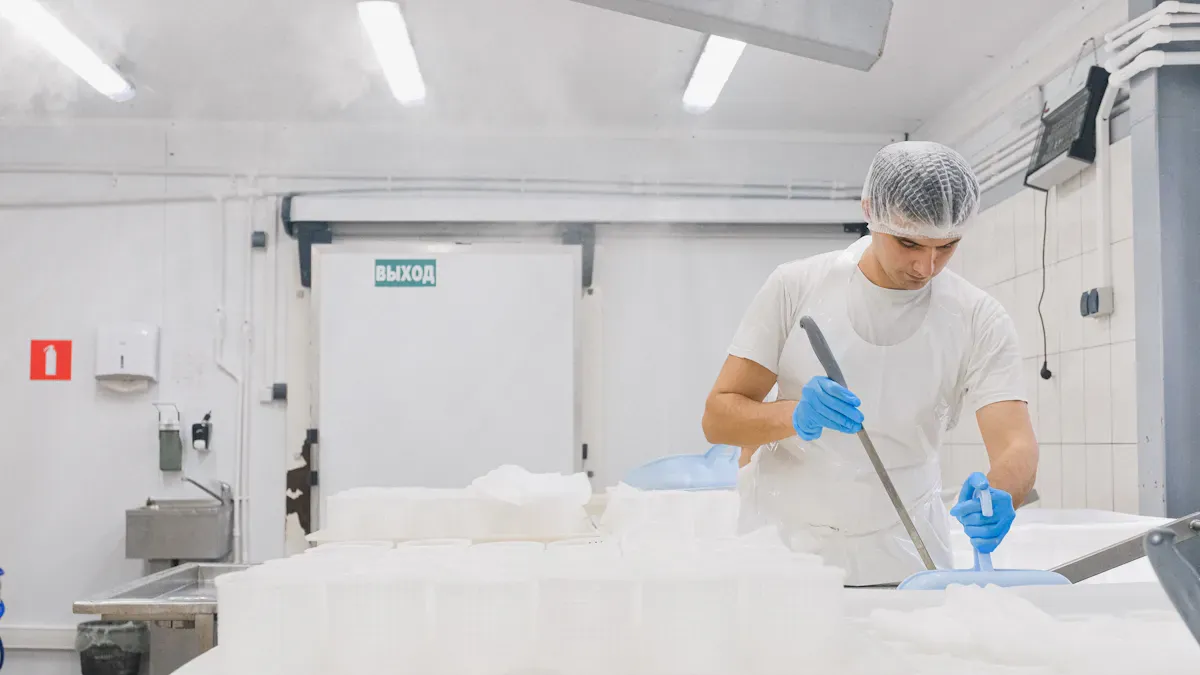
IP69K solenoid valve coils are engineered for exceptional durability and performance in demanding environments. These coils can withstand high-pressure washdown conditions, making them ideal for industries that require stringent hygiene standards. The IP69K rating signifies that these coils endure high-pressure and high-temperature water jets without compromising functionality. This capability ensures that they remain operational even during rigorous cleaning cycles, which is crucial for maintaining system reliability.
The Series E Environmental Coils from HydraForce exemplify this durability. They feature fully encapsulated coil windings that eliminate leak paths, enhancing their reliability in IP69K-rated applications. Additionally, the rugged metal shell protects against physical damage while concentrating magnetic flux, which contributes to overall performance. These design elements ensure that solenoid valve coils can operate continuously under elevated temperatures and voltages, further solidifying their role in food processing systems.
Resistance to Cleaning Processes
Resistance to cleaning processes is another significant advantage of IP69K solenoid valve coils. These coils can endure various cleaning chemicals and procedures commonly used in food processing environments. The table below outlines some of the cleaning agents and methods that IP69K solenoid valve coils resist:
| Cleaning Chemicals | Procedures | Temperature Range | Pressure Type |
|---|---|---|---|
| Chlorine (bleach) | Clean-in-place (CIP) cleaning | 60°C – 85°C | High-pressure |
| Caustic soda concentration | Washdown of process areas | 60°C – 85°C | High-pressure |
| Peracetic acid (PAA) | Cleaning of tanks and equipment | 60°C – 85°C | High-pressure |
These coils are designed to withstand the harsh conditions of high-temperature and high-pressure cleaning cycles. This resistance directly impacts their reliability, as it prevents degradation and ensures consistent performance. The encapsulated design and high-quality materials used in these solenoid valve coils contribute to their ability to endure extreme environmental stresses, including rapid temperature changes and immersion.
Furthermore, the adoption of IP69K solenoid valve coils enhances compliance with food safety standards. The IP69K rating ensures that solenoid valves can endure high-pressure and high-temperature washdowns, which is crucial for hygiene in food and beverage applications. Additionally, NSF/ANSI 61 certification indicates that these solenoid valve coils are suitable for direct contact with drinking water, further enhancing food safety compliance.
Practical Implementation Tips for Solenoid Valve Coils
Selecting the Right Components
Choosing the appropriate solenoid valve coils is crucial for ensuring reliability in food processing applications. Consider the following criteria when making selections:
| Criteria | Description |
|---|---|
| Media Compatibility | Understanding the fluids that will flow through the valve is essential for material selection. |
| Temperature Range | The performance and longevity of the valve can be affected by both media and ambient temperatures. |
| Environmental Exposure | External conditions impact the choice of valve, with specific enclosure ratings for protection. |
| Valve Body Material | The material must align with media compatibility and environmental factors for sanitary conditions. |
| Seal Material Selection | Seal materials determine compatibility, temperature range, and pressure tolerance for food safety. |
Selecting components that meet these criteria enhances the overall performance and safety of the food processing system.
Maintenance Best Practices
Regular maintenance of solenoid valve coils is vital for preventing unplanned downtime. Implement the following best practices:
- Conduct visual inspections to assess valve conditions regularly.
- Develop a routine inspection schedule, typically every 6 to 12 months, depending on the application and manufacturer’s recommendations.
- Identify surface cracks or leaks during inspections.
- Lubricate solenoid valves with food-grade lubricants as needed.
Preventive maintenance helps detect warning signs early, reducing the risk of complete system failures. Proactive replacement of worn solenoid valves can decrease unplanned downtime by 30–50%. This approach ensures consistent valve performance and supports continuous operation in food processing environments.
By selecting the right components and adhering to maintenance best practices, food processing facilities can significantly enhance the reliability of their systems.
Reliability in food processing is crucial for maintaining safety and efficiency. Hygienic design enhances operational efficiency by reducing cleaning time and minimizing contamination risks. This leads to improved productivity and compliance with safety regulations. IP69K solenoid valve coils play a vital role in ensuring system reliability, as they withstand rigorous cleaning processes while maintaining performance.
FAQ
What is the significance of hygienic design in food processing?
Hygienic design minimizes contamination risks and enhances cleaning efficiency, ensuring food safety and compliance with industry standards.
How do IP69K solenoid valve coils improve reliability?
IP69K solenoid valve coils withstand high-pressure washdowns and harsh cleaning chemicals, maintaining performance and preventing equipment failures.
What maintenance practices ensure solenoid valve coil longevity?
Regular inspections, lubrication with food-grade products, and timely replacements of worn components enhance solenoid valve coil reliability and performance.
Post time: Mar-30-2026