
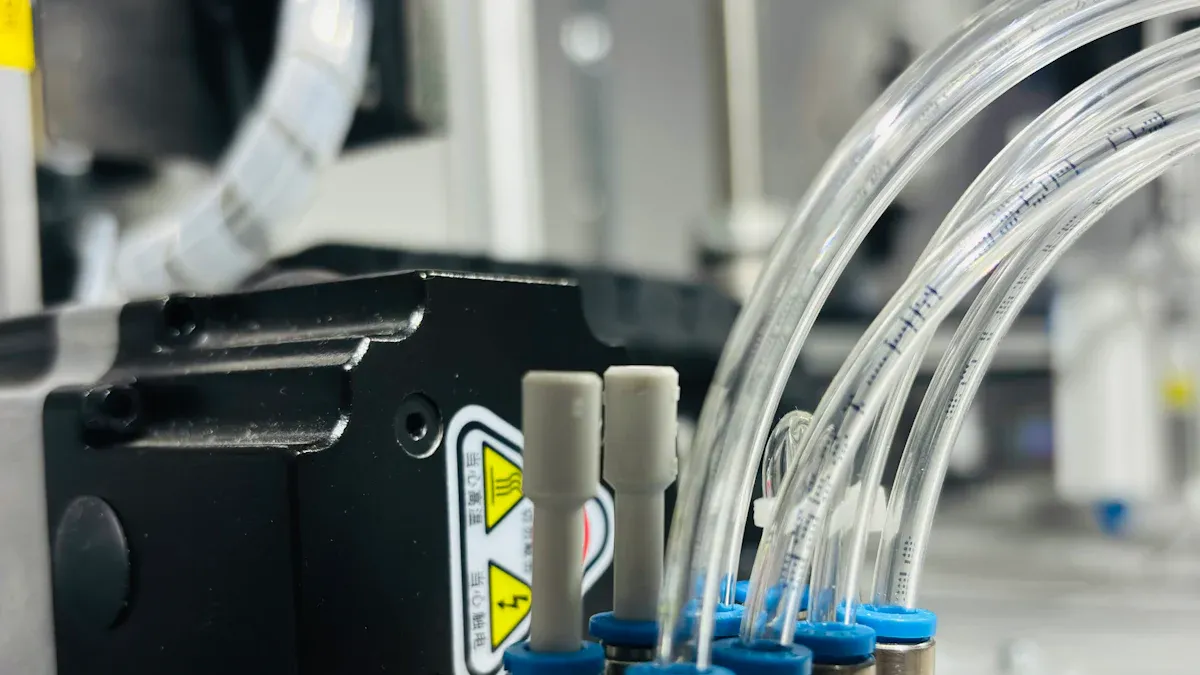
High-efficiency solenoid valve coils can significantly reduce energy consumption in pneumatic systems. By optimizing energy use, these coils play a crucial role in enhancing overall system efficiency. Implementing high-efficiency solenoid valve coils presents a practical solution for industries aiming to lower operational costs and improve sustainability.
Key Takeaways
- High-efficiency solenoid valve coils can reduce energy consumption by up to 80%, leading to significant cost savings for industries.
- Selecting the right coil design and materials is crucial. Look for coils that require less power to operate and have features like pulse-width modulation for energy efficiency.
- Regular maintenance of solenoid valve coils can extend their lifespan by up to 30% and improve energy efficiency, so follow recommended maintenance schedules.
Understanding Solenoid Valve Coils
What is a Solenoid Valve?
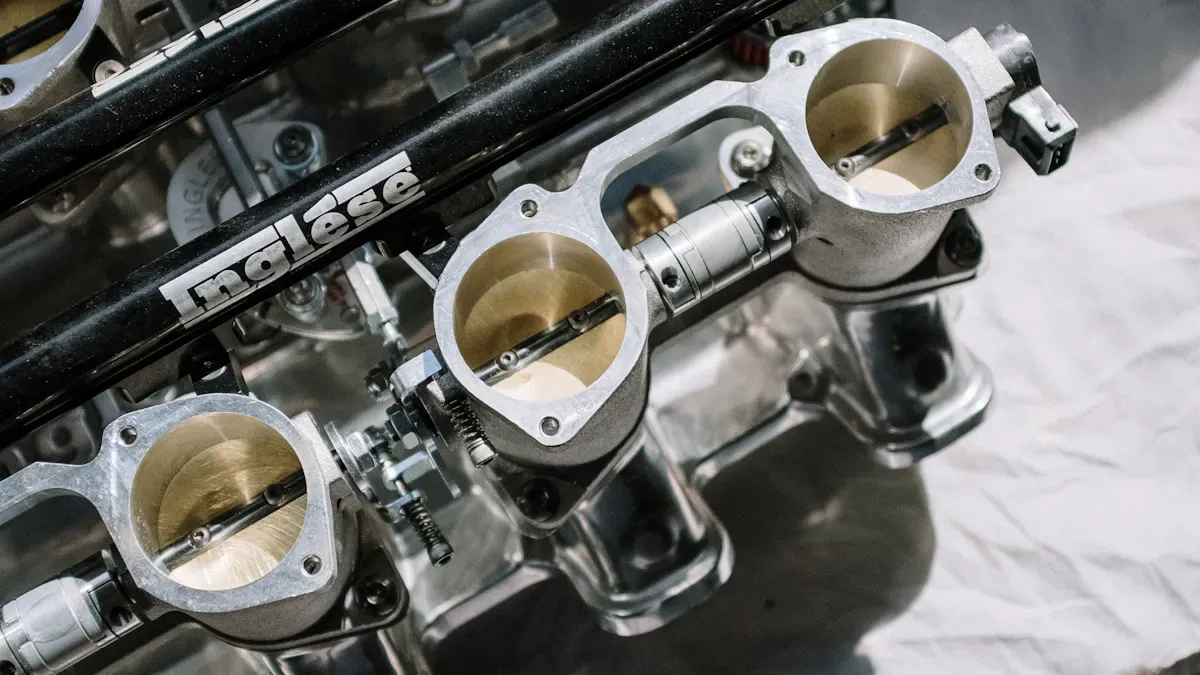
A solenoid valve is an electromechanical device that controls the flow of fluids in a pneumatic system. It consists of a coil, a plunger, and a valve body. When an electric current passes through the coil, it generates a magnetic field that moves the plunger. This movement opens or closes the valve, allowing or stopping the flow of air or other fluids. Solenoid valves are essential components in various applications, including:
- Production lines for efficient operation.
- Packaging equipment for quick air direction.
- Robotics for precise control of movements.
How Solenoid Valves Operate
The operation of solenoid valves relies on the principles of electromagnetic induction. When electric current flows through the solenoid coil, it creates a magnetic force. This force moves the plunger, which is connected to a seal. The movement of the plunger regulates airflow by opening or closing valve orifices. This process allows for precise control over the pneumatic system.
The main components of a solenoid valve and their functions are as follows:
| Component | Function |
|---|---|
| Valve Body | Houses the main structure and flow path, ensuring durability and compatibility with various media. |
| Valve Seat | Provides a tight seal to prevent leaks, made from materials suitable for different fluids. |
| Valve Disc/Spool | Controls fluid flow by moving to open or close ports, varies by valve type for specific applications. |
| Spring | Returns the valve to its original position, ensuring fail-safe operation and energy efficiency. |
In addition to their basic operation, solenoid valves can be classified based on the number of ports and flow paths. They can start or stop airflow and redirect air for various tasks, such as pressing, gripping, lifting, and sorting.
Understanding the operation of solenoid valve coils is crucial for optimizing energy efficiency in pneumatic systems. By selecting high-efficiency solenoid valve coils, industries can significantly reduce energy consumption and enhance overall system performance.
Factors Affecting Energy Efficiency of Solenoid Valve Coils
Coil Design and Material
The design and materials used in solenoid valve coils play a significant role in determining their energy efficiency. A well-designed coil generates the necessary magnetic force with minimal electrical input, which directly reduces energy consumption. High-efficiency coils require less power to operate, leading to lower overall energy usage.
Key aspects of coil design include:
- Actuation Method: Pilot-operated solenoid valves utilize the coil to control pressurized fluid, consuming significantly less energy than direct-acting valves. For example, a 1/2-inch industrial valve may have an inrush power of 300 VA but only 22 VA holding power, showcasing how design influences energy use.
- Innovative Configurations: Advanced designs, such as double coil configurations, employ two separate windings. One coil opens the valve with high power, while the other maintains it with lower power. This innovation minimizes energy required during operation.
The materials used in solenoid valve coils also contribute to their efficiency. Common materials include:
| Material | Description |
|---|---|
| Copper Wire | Excellent electrical conductivity, preferred for high efficiency and durability. |
| Core Material | Typically soft iron or steel, chosen for high magnetic permeability. |
| Insulation | Various materials used to prevent electrical leakage and enhance safety. |
| Housing Materials | Selected for durability and protection against environmental factors. |
Using low-friction materials, such as polymers or stainless steel, can further reduce the energy needed for actuation. Additionally, materials with high thermal conductivity help dissipate heat, enhancing overall efficiency.
Duty Cycle and Power Consumption
The duty cycle of a solenoid valve coil significantly impacts its power consumption. A higher duty cycle often leads to increased energy usage due to the need for additional holding power. Conversely, solenoid valves that remain stable in one position for extended periods consume less energy.
Strategies to optimize power consumption include:
- Low-Power Coils: These coils utilize techniques like pulse-width modulation (PWM) to minimize energy consumption during prolonged duty cycles. This approach allows for efficient operation without compromising performance.
- Temperature Considerations: Ambient temperature affects coil resistance, which in turn influences performance. For instance, low-watt coils can nearly double a valve’s maximum ambient temperature rating, reducing heat generation and extending component lifespan.
By understanding these factors, industries can make informed decisions about solenoid valve coils, leading to significant energy savings and improved system performance.
Strategies for Optimization of Solenoid Valve Coils
Selecting High-Efficiency Coils
Choosing high-efficiency solenoid valve coils is crucial for maximizing energy savings. Consider the following criteria when selecting coils:
| Criteria | Description |
|---|---|
| Coil Insulation Class | Important for high-temperature or energy-sensitive environments. |
| Power Consumption | Energy-saving coils that reduce wattage after initial activation are beneficial for 24/7 systems. |
| Environmental Conditions | Valves rated for specific environments prevent early failure due to high temperatures, chemicals, or moisture. |
| Material Compatibility | Seal materials like rubber, silicone, or PTFE are suitable for high-pressure or corrosive applications. |
Maintenance and Upkeep
Regular maintenance significantly impacts the energy efficiency of solenoid valve coils. Proper upkeep can extend valve lifespan by up to 30% and reduce effectiveness due to contaminants by up to 25%. Recommended maintenance intervals include:
| Maintenance Interval | Description |
|---|---|
| Monthly | Recommended for high-use applications. |
| Quarterly | Suitable for moderate-use applications. |
| 6 to 12 months | General recommendation based on application and manufacturer guidelines. |
System Integration Considerations
When integrating high-efficiency solenoid valve coils, several system-level considerations arise. Ensure stable voltage supply to prevent erratic coil behavior. Operators should receive training on proper handling and maintenance. Additionally, keep detailed maintenance logs for each valve.
Consider the following factors:
- Verify electrical compatibility, including voltage type and coil resistance.
- Assess response time and duty cycle requirements to match application needs.
- Determine if the coil will operate continuously or intermittently to ensure suitability.
By addressing these strategies, industries can enhance the performance and energy efficiency of their pneumatic systems.
High-efficiency solenoid valve coils can reduce energy consumption by up to 80%, leading to significant cost savings. Industries should assess their current systems and consider these advanced options.
Investing in high-efficiency coils typically pays off within 2-3 years due to lower energy bills and maintenance costs.
For further research, explore modern features like IoT integration and innovative designs that enhance efficiency.
FAQ
What are high-efficiency solenoid valve coils?
High-efficiency solenoid valve coils consume less energy while providing the same performance, leading to significant energy savings in pneumatic systems.
How can I determine if my solenoid valve coils are efficient?
Check the power consumption ratings and compare them with industry standards. High-efficiency coils typically have lower wattage requirements.
What maintenance is required for solenoid valve coils?
Regular inspections and cleaning help maintain performance. Follow manufacturer guidelines for specific maintenance schedules to ensure optimal operation.
Post time: Mar-25-2026