
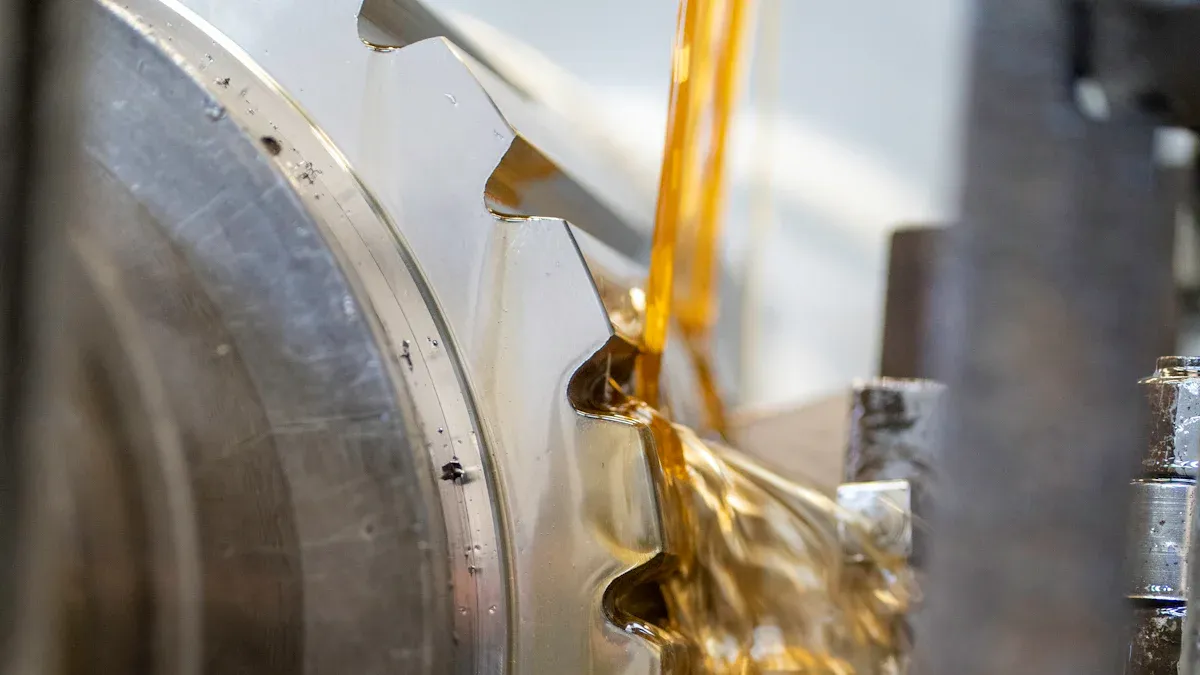
A Hydraulic Cartridge Valve datasheet provides crucial guidance. It details a valve’s performance characteristics, limitations, and overall suitability. Experts recognize specific non-negotiable specifications. These directly influence system efficiency and operational safety.
Key Takeaways
- Understand pressure ratings: Maximum operating, proof, and burst pressures are important. They show how much pressure a valve can handle safely.
- Check fluid compatibility: The type of fluid used affects the valve’s seals. Make sure the valve works well with your fluid to prevent leaks.
- Use good filtration: Clean fluid protects the valve from damage. Proper filtration makes the valve last longer and work better.
Decoding Essential Hydraulic Cartridge Valve Specifications
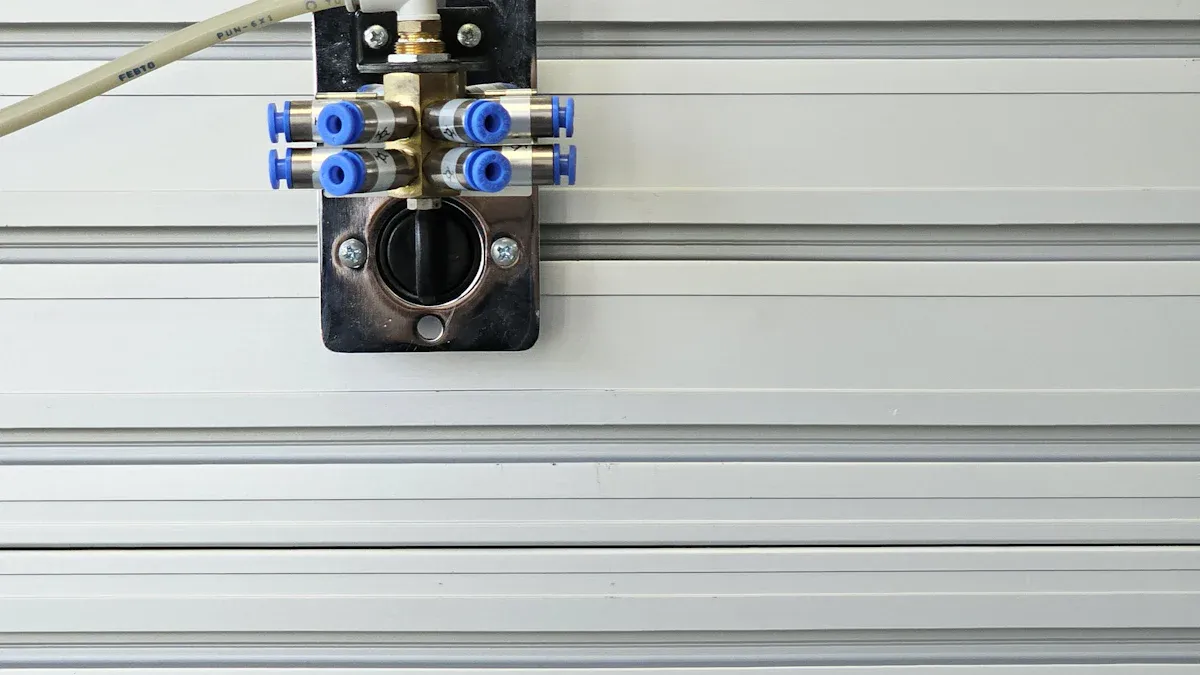
Understanding the core specifications of a Hydraulic Cartridge Valve is paramount for successful system design and operation. These figures dictate how the valve performs under various conditions.
Pressure Ratings: Max Operating, Proof, and Burst
Pressure ratings define the limits a Hydraulic Cartridge Valve can safely withstand. The Maximum Operating Pressure indicates the highest continuous pressure the valve can handle without damage or premature wear. Exceeding this value risks component failure and system instability. Proof Pressure represents a non-damaging, static pressure the valve can endure for a short period, typically used during testing to verify structural integrity. The valve must not leak or deform permanently at this pressure. Finally, Burst Pressure signifies the catastrophic failure point. At this pressure, the valve’s housing or internal components will rupture, leading to a complete loss of containment. Engineers must always select a valve where the burst pressure provides a significant safety margin above the maximum operating pressure.
Flow Characteristics: Cv/Kv, Pressure Drop, and Flow Path
Flow characteristics describe how fluid moves through the valve. The flow coefficient (Cv) and its metric equivalent, flow factor (Kv), quantify a valve’s flow capacity. Cv represents the volume of water (in US gallons) at 60°F that flows per minute through a valve with a 1 psi pressure drop. This serves as a standard for comparing valve capacities and sizing. The flow coefficient Cv is mathematically expressed as: Cv = Q * sqrt(SG / ΔP), where Q is the flow rate in US gallons per minute, SG is the specific gravity of the fluid, and ΔP is the pressure drop in psi. The metric equivalent, Kv, is calculated using metric units: Kv = Q * sqrt(SG / ΔP), where Kv is in m³/h, Q is the flow rate in m³/h, SG is specific gravity, and ΔP is in bar. One can convert Cv from Kv using the equation: Cv = 1.156 * Kv.
Pressure drop across a valve is another critical parameter. It represents the energy lost as fluid flows through the valve, converting into heat. Fluid friction, caused by resistance as hydraulic fluid flows through components like valves, converts energy into heat, increasing fluid and component temperatures. Rapid pressure changes, such as during valve operation, also contribute to heat generation through adiabatic compression or expansion. Inefficient components like valves generate excess heat due to internal losses (friction, leakage), reducing overall system efficiency and potentially shortening component lifespan. Pressure drop across hydraulic components, including cartridge valves, results in lost mechanical energy. This energy dissipates as heat in the oil, which can lead to cooling issues and a reduced lifespan for the oil. The power loss is directly proportional to the system’s flow rate and pressure drop, highlighting the efficiency impact. A lower pressure drop in hydraulic cartridge valves directly contributes to energy savings and reduces heat generation, thereby extending the lifespan of components. The poppet valve structure commonly found in cartridge valves is characterized by small pressure loss and low heat generation, which enhances the reliability and stability of the system’s operation. The flow path design within the valve also influences pressure drop and flow characteristics. A well-designed flow path minimizes turbulence and resistance, contributing to higher efficiency.
Leakage Specifications: Internal and External Rates
Leakage specifications detail the amount of fluid that escapes from or within the valve. Internal leakage refers to fluid passing through the valve when it is supposedly closed. This leakage can lead to a loss of holding force, reduced system accuracy, and wasted energy. Datasheets typically specify internal leakage in drops per minute or cubic centimeters per minute (cc/min) at a given pressure. External leakage involves fluid escaping from the valve to the surrounding environment. This type of leakage is generally unacceptable due to safety concerns, environmental impact, and fluid loss. Manufacturers design valves to prevent external leakage entirely, and its presence usually indicates a seal failure or improper installation.
Response Time: Actuation Speed and Delay
Response time measures how quickly a Hydraulic Cartridge Valve reacts to a command signal. It encompasses both the actuation speed (how fast the valve shifts from one state to another) and any inherent delay before movement begins. A fast response time is crucial for applications requiring precise control, rapid cycling, or quick emergency shutdowns. Delays or slow actuation can lead to system instability, inaccurate positioning, and reduced overall machine performance. Engineers must consider the valve’s response time in conjunction with the system’s control requirements to ensure optimal operation.
Environmental and Mechanical Considerations for Hydraulic Cartridge Valves
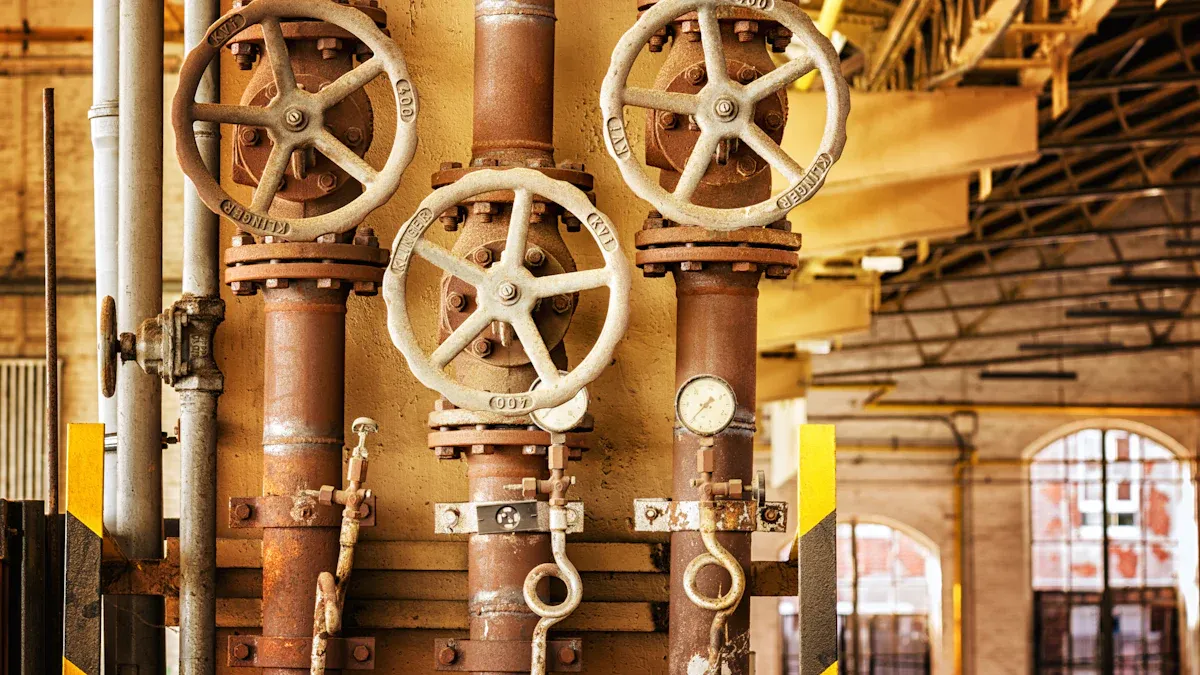
Engineers must consider environmental and mechanical factors when selecting a Hydraulic Cartridge Valve. These elements significantly influence a valve’s long-term reliability and performance within a hydraulic system.
Fluid Compatibility: Media Type, Viscosity, and Temperature Range
Fluid compatibility is paramount for valve longevity and system efficiency. The type of hydraulic fluid directly impacts the valve’s internal components, especially its seals. Common hydraulic fluids include petroleum-based, non-petroleum-based (like propylene glycol), and synthetic fluids. Petroleum-based fluids can degrade most rubbers, but nitrile, polyurethane, and PTFE offer resistance. Non-petroleum-based fluids, such as glycol, can degrade polyurethane and nitrile, making PTFE or EPDM better choices. Synthetic fluids, designed for extreme conditions, can harm many seal types; PTFE and Fluoroelastomer (FKM) are often suitable, though EPDM may be required for phosphate esters.
Poor seal-fluid compatibility can lead to several issues:
- Swelling, softening, or shrinking
- Increased friction
- Delayed movement
- Permanent deformation leading to leakage
Viscosity, a fluid’s resistance to flow, also plays a critical role. Temperature- and pressure-compensated flow-control hydraulic valves adapt to changing conditions, maintaining consistent output even when oil viscosity fluctuates. This adaptability reduces throttling and energy losses, leading to improved performance under load. Proper valve sizing is critical for system efficiency. Engineers calculate pressure drop based on the required flow rate and fluid viscosity to determine the optimal valve size, aiming for minimal energy loss. An undersized valve can cause excessive pressure drop, leading to energy waste, heat generation, and reduced system performance. Conversely, an oversized valve may result in a sluggish response. The TS90-G34L valve, with its two-stage operation, offers smoother gear shifting, precise control, and reduced sensitivity to temperature and viscosity changes.
Temperature Ratings: Ambient and Fluid Limits
Temperature ratings define the environmental and fluid conditions a valve can safely endure. The ideal operating temperature range for most hydraulic valves, including cartridge valves in industrial settings, is typically between 30°C and 60°C. Operating outside this range can lead to reduced performance and potential equipment failure.
Elevated fluid temperatures significantly affect the lifespan and performance of seals. Seals, like hydraulic cylinders, operate optimally between 110 to 130°F. When heated above their specifications, several properties of seals can change, including durometer, abrasion resistance, tear resistance, and lubricity. These changes can lead to seal failure, resulting in oil leaks, system contamination, and metal-to-metal contact that can permanently damage cylinder components. Hydraulic fluid properties significantly influence seal lifespan. Temperature-induced changes in fluid viscosity affect lubrication at the seal interface, with inadequate lubrication at low temperatures or aggressive fluid behavior at high temperatures accelerating wear. Some hydraulic fluids can also become more chemically aggressive at elevated temperatures, attacking seal materials. Conversely, excessive heat can soften seal compounds, leading to deformation and extrusion into clearance gaps, directly impacting the seal’s ability to maintain separation between gas and hydraulic fluid compartments. High temperatures accelerate the deterioration of seals, hoses, and other rubber components. Elevated temperatures can reduce the lifespan of hydraulic pumps and motors by causing thermal expansion and increasing the likelihood of metal fatigue and deformation. These effects can lead to leaks, loss of pressure, and ultimately, system failure.
Filtration Requirements: Protecting Your System
Filtration is essential for protecting hydraulic components, especially sensitive cartridge valves. Contamination remains a leading cause of hydraulic system failures. Approximately 75% of hydraulic system failures are attributed to fluid contamination. Inadequate filtration can lead to accelerated component wear, shortening equipment life by up to 50%. Contamination affecting control valves often results in inconsistent performance or pressure fluctuations.
ISO Cleanliness Codes are a standardized method to measure and report the quantity of solid particles in a fluid, categorized by size. This measurement offers crucial insights into the cleanliness of oil, fuel, or hydraulic fluid. Even microscopic particles can cause significant damage within machinery. In hydraulic systems, these particles can become lodged in the tight clearances of valve spools and bodies, leading to sticking or sluggish operation. Studies indicate that improving a fluid’s ISO code by just one step can extend the lifespan of pumps, valves, and bearings by 50% or more. For instance, reducing a code from 18/16/13 to 17/15/12 represents a substantial, quantifiable decrease in wear and operational costs. Target ISO cleanliness levels for cartridge valves can range from 18/16/14 to 17/15/12. Factors influencing the setting of target cleanliness levels include component sensitivity, pressure, duty-cycle severity, machine criticality, fluid type, and safety concerns.
Electrical Specifications: Voltage, Current, and Power Consumption
For electrically actuated cartridge valves, electrical specifications are crucial. Datasheets provide details on the required voltage (e.g., 12V DC, 24V DC, 110V AC), current draw, and power consumption. These specifications ensure compatibility with the system’s electrical supply and control logic. Incorrect voltage can lead to coil burnout or insufficient actuation force, while excessive current draw can overload power supplies. Engineers must match these electrical parameters to the available power and control system capabilities.
Porting and Mounting: Cavity Size, Thread Type, and Torque
Porting and mounting details dictate how the valve integrates into the manifold or system. The datasheet specifies the required cavity size, which is the machined pocket in the manifold designed to accept the valve. It also indicates the thread type and size for securing the valve (e.g., UNF, NPT, BSPP). Proper torque specifications for installation are critical to ensure a secure, leak-free connection without damaging the valve body or manifold. Adhering to these specifications prevents installation errors and ensures optimal performance.
Materials of Construction: Body, Seals, and Internal Components
The materials used in a valve’s construction determine its durability, chemical resistance, and pressure capabilities. Valve bodies are commonly made from aluminum alloy or steel, chosen for high corrosion resistance and strength. Alloy steel is also used as a lining material in hydraulic cartridge valves. Spools are typically made from steel, selected for high hardness and wear resistance.
Seal materials are particularly important due to their direct contact with hydraulic fluid and exposure to varying temperatures.
| Material | Oil Resistance | Typical Applications |
|---|---|---|
| NBR | Excellent | General-purpose hydraulic systems |
| HNBR | Excellent | High-pressure, high-temp valves |
| FKM | Excellent | High-temp, chemical-resistant environments |
| PU (Polyurethane) | Good | High-pressure, high-cycle operations |
| EPDM | Not resistant to petroleum oils | Water-glycol & phosphate ester fluids |
| FLS | Excellent | Aerospace & military |
| PTFE (Teflon) | Exceptional | High-speed, low-friction, chemically aggressive environments |
FKM (Viton) is ideal for high-temperature and aggressive chemical media, while NBR (Nitrile Rubber) offers excellent performance in oil-based hydraulic systems. These materials, when combined with a PTFE sealing ring, enhance durability, media compatibility, and overall sealing effectiveness in hydraulic machines, rotating shafts, and linear actuators. PTFE is an excellent choice for hydraulic valve seals due to its near-zero friction, unmatched chemical resistance, no swelling in any hydraulic fluid, and best heat resistance among common materials. However, NBR seals may not perform well in extremely high-temperature environments, such as those above +120°C (+248°F). For higher temperature resistance, FKM or silicone may be more suitable. While resistant to oils and fuels, NBR seals may not be suitable for aggressive chemicals like strong acids or bases. In such cases, PTFE or FKM seals would be more appropriate.
Dimensions and Weight: Fit and Integration
Dimensions and weight specifications are essential for mechanical integration into the system. The datasheet provides physical dimensions, including length, width, height, and any required clearance for installation or maintenance. Weight information helps engineers calculate overall system weight and ensure structural integrity. Accurate dimensional data prevents interference issues and ensures the valve fits correctly within the allocated space in a manifold or machine.
Expert Interpretation and Application of Hydraulic Cartridge Valve Data
Identifying Red Flags and Potential Mismatches
Engineers must identify potential red flags when reviewing a datasheet. Discrepancies in pressure ratings or flow curves often signal a mismatch for an application. For instance, a valve might advertise a broad flow range. However, its datasheet specifies accurate readings only within a narrower “usable range.” Operating a Hydraulic Cartridge Valve outside this usable range leads to erratic data or incorrect dosing. This causes significant operational issues. Similarly, sensors exhibit varied accuracy specifications across different pressure ranges. Understanding these accuracy specifications is crucial. It ensures selecting a sensor that precisely meets the application’s requirements. This guarantees reliable measurements.
Comparing Multiple Datasheets Strategically
Comparing multiple datasheets requires a strategic approach. Do not just look at the headline figures. Evaluate the fine print. Consider how each valve’s specifications align with the system’s demands. Look for consistency in testing methods and reporting. This helps make informed decisions.
The Importance of Application-Specific Context
The application’s specific context always dictates the optimal valve choice. A valve suitable for a low-pressure, high-flow system may fail in a high-pressure, low-flow environment. Consider the operating environment, fluid type, and required response times. These factors influence the valve’s long-term performance and reliability.
When to Consult the Manufacturer
Consult the manufacturer when uncertainties arise. This includes complex applications or when a datasheet lacks specific information. Manufacturers possess in-depth knowledge of their products. They offer valuable insights and recommendations. This ensures proper valve selection and system optimization.
Mastering datasheet reading empowers confident Hydraulic Cartridge Valve selection. This expertise optimizes hydraulic system performance and prevents costly errors in design and operation. Ultimately, the datasheet stands as the primary tool for ensuring component compatibility, system reliability, and overall operational efficiency across diverse applications.
FAQ
What is the most critical specification on a cartridge valve datasheet?
Pressure ratings are paramount. They define the maximum operating, proof, and burst pressures. These figures ensure safe operation and prevent catastrophic valve failure. ⚠️
Why is fluid compatibility important for cartridge valves?
Fluid compatibility prevents seal degradation and internal component damage. Incorrect fluid can cause swelling, shrinking, or hardening of seals. This leads to leaks and system malfunction.
How does filtration affect cartridge valve lifespan?
Proper filtration protects cartridge valves from contamination. Particles cause wear, sticking, and premature failure. Maintaining ISO cleanliness levels significantly extends valve life and system reliability. ✨
Post time: Dec-25-2025