

Solenoid valve coils play a critical role in enhancing energy efficiency in various systems. Compliance with the EU Ecodesign Directive is essential for manufacturers aiming to meet stringent energy standards. Understanding the mechanics of solenoid valves can significantly optimize energy use, leading to reduced operational costs and environmental impact.
Key Takeaways
- Energy efficiency is crucial for reducing operational costs and complying with regulations. Manufacturers should prioritize energy-saving strategies to enhance productivity.
- Understanding solenoid valve coils’ mechanics helps optimize energy use. These coils convert electrical energy into mechanical motion, controlling fluid flow efficiently.
- Implementing smart control systems and regular maintenance can significantly improve solenoid valve coil performance. These practices lead to energy savings and compliance with the EU Ecodesign Directive.
Importance of Energy Efficiency
Energy efficiency stands as a cornerstone in modern industrial practices. Manufacturers increasingly recognize its significance in enhancing productivity and reducing operational costs. In fact, industrial operations account for nearly 40% of global energy consumption. This statistic highlights the urgent need for optimization strategies that can mitigate energy waste.
Several factors drive the push for energy efficiency in industrial automation systems:
- Cost Reduction: Efficient energy use directly lowers utility bills, allowing companies to allocate resources to other critical areas.
- Regulatory Compliance: Governments impose regulations that mandate energy efficiency, compelling manufacturers to adopt new technologies and practices.
- Rising Energy Prices: Fluctuating energy costs create financial pressure, prompting businesses to seek innovative solutions to manage consumption.
By focusing on energy efficiency, companies not only comply with regulations but also contribute to environmental sustainability. This commitment to reducing energy consumption aligns with the EU Ecodesign Directive, which emphasizes the importance of energy-efficient designs in products.
Incorporating energy-efficient components, such as solenoid valve coils, can significantly enhance overall system performance. These coils optimize energy use, ensuring that systems operate at peak efficiency while minimizing waste. As industries continue to evolve, the emphasis on energy efficiency will remain a vital aspect of sustainable development.
Mechanics of Solenoid Valve Coils
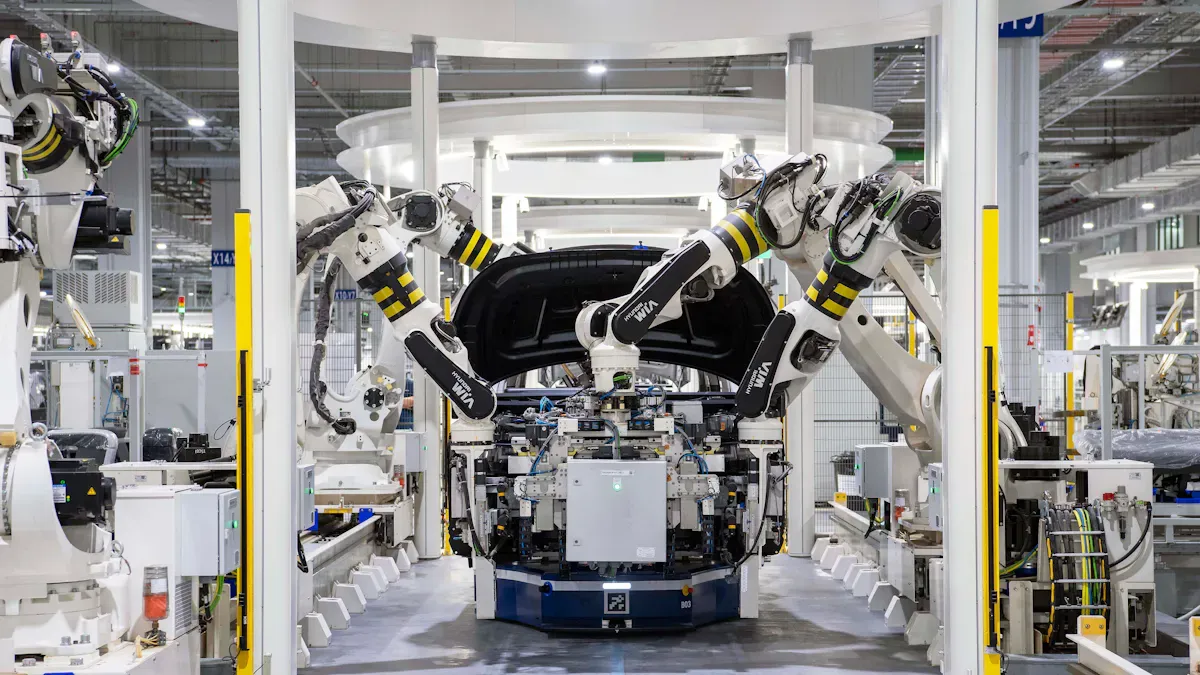
Solenoid valve coils operate based on fundamental electromagnetic principles. When an electric current flows through the coil, it generates a magnetic field. This magnetic field plays a crucial role in controlling the movement of a movable iron rod, known as the armature or plunger. The following points outline the core mechanics of solenoid valve coils:
- A solenoid coil converts electrical energy into linear mechanical force.
- The coil’s magnetic field attracts the movable rod, which is connected to contacts and a spring.
- Normally, the contacts remain open. When energized, the magnetic field pulls the rod inward, closing the contacts and changing the valve state.
- Upon de-energization, the spring pushes the rod back, reopening the contacts and returning the valve to its original state.
- This back-and-forth motion effectively regulates flow through valve components, such as valve seats or pneumatic poppets.
The design of solenoid valve coils significantly influences their energy efficiency. High-efficiency coils require less power to operate, generating the necessary magnetic force with lower electrical input. This reduction in energy usage is vital for compliance with the EU Ecodesign Directive.
The size of the solenoid valve also impacts its energy draw. Larger valves typically require more current to generate a magnetic field strong enough to develop sufficient force. While oversized valves may achieve flow control, they often draw excess energy, leading to inefficiencies.
In industrial applications, solenoid valve coils can vary in power consumption based on their size. For instance, small-diameter valves may consume between 1 to 5 watts, while larger valves can exceed 15 watts. Latching solenoid valves offer a solution by reducing power draw by approximately 80% once actuated. This feature is particularly beneficial for battery and solar-powered systems, where energy efficiency is paramount.
The electromagnetic field generated by solenoid valve coils directly controls fluid flow. As the coil energizes, it creates a magnetic field that moves a ferrous armature, opening or closing the valve mechanism. This precise control allows for efficient regulation of liquids or gases in various applications.
Factors Influencing Efficiency of Solenoid Valve Coils
Several factors significantly influence the efficiency of solenoid valve coils. Understanding these elements can help manufacturers optimize their designs for better performance and compliance with energy standards.
-
Size of Solenoid Valve: The physical dimensions of the valve directly affect its energy consumption. Larger valves typically require more power to generate the necessary magnetic field, which can lead to inefficiencies.
-
Peak Current Requirements: The amount of current needed to energize the coil impacts its efficiency. Higher peak currents can lead to increased heating and energy loss.
-
Solenoid Valve Design: The overall design, including the configuration of the coil and the materials used, plays a crucial role in efficiency. For instance, wire gauge affects resistance and heating, while core selection impacts magnetic field strength.
Temperature ratings are critical indicators that directly influence the reliability and efficiency of solenoid valves. Excessive temperature rise can diminish magnetic field strength, reducing current and magnetic flux. This reduction affects the solenoid’s performance, particularly in extreme conditions.
Moreover, voltage stability is essential for optimal coil operation. The following table summarizes the effects of voltage conditions on solenoid valve coils:
| Voltage Condition | Effect on Coil | Impact on Valve Performance |
|---|---|---|
| Overvoltage | Overheating | Shortened coil life |
| Undervoltage | Weak magnetic force | Incomplete valve actuation |
Additionally, increasing the density of coil windings strengthens the electromagnetic field, enhancing actuation precision. However, this must be balanced with wire gauge and thermal management to avoid overheating.
By addressing these factors, manufacturers can significantly improve the efficiency of solenoid valve coils, aligning with the goals of the EU Ecodesign Directive.
Practical Strategies for Optimization of Solenoid Valve Coils
Optimizing solenoid valve coils involves a combination of design modifications, maintenance practices, and the integration of smart technologies. Implementing these strategies can significantly enhance energy efficiency and ensure compliance with the EU Ecodesign Directive.
Design Modifications
-
Advanced Cooling Techniques: Employ heat sinks and cooling fins to dissipate heat effectively. This approach maintains optimal operating temperatures and prevents overheating.
-
Innovative Electronic Control Systems: Integrate temperature monitoring and feedback loops. These systems adjust operation based on temperature, preventing overheating and enhancing efficiency.
-
Energy-Efficient Materials: Utilize low-power consumption materials and optimized magnetic circuits. These materials enhance energy efficiency and reduce overall power requirements.
-
Adaptive Duty Cycle Management: Dynamically adjust on/off cycles based on operational needs. This strategy minimizes heat generation during extended use, leading to lower energy consumption.
Energy savings of up to 80% can be achieved with dual coil technology. This technology uses an inrush winding for initial power and switches to a low-energy holding power after a short duration.
Maintenance Practices
Regular maintenance is crucial for ensuring the efficiency of solenoid valve coils. Implementing the following tasks can help maintain optimal performance:
| Maintenance Task | Frequency |
|---|---|
| Visual inspection of coils | Monthly |
| Electrical testing | Quarterly |
| Environmental condition monitoring | Monthly |
| Functional testing | Biannually |
Additionally, technicians should focus on:
- Temperature Management: Monitor and maintain optimal temperature levels to prevent coil degradation.
- Humidity Control: Use dehumidifiers and inspect for moisture to prevent corrosion.
- Pressure Regulation: Implement pressure regulators to maintain consistent pressure levels.
- Corrosion Prevention: Use protective coatings to safeguard coils from corrosive substances.
Smart Control Systems
Smart control systems can optimize the operation of solenoid valve coils for energy savings. These systems offer several advantages:
- Adaptive power control minimizes unnecessary power consumption.
- Automatic shut-off mechanisms enhance energy efficiency.
- Smart technologies enable precise control of valve position and flow rate.
By adjusting valve operation based on real-time data, smart control systems optimize opening and closing cycles. Sensors monitor flow rates and pressure, ensuring the valve operates only when necessary. Techniques such as pulse-width modulation (PWM) reduce average power consumption by rapidly switching the solenoid coil on and off.
Cost Implications
Implementing energy-efficient solenoid valve coil strategies leads to significant cost savings. Although solenoid valves consume relatively small power individually, optimizing energy use across many valves can substantially lower electricity costs. Proper sizing of solenoid valves is crucial; oversizing increases power bills, while undersizing can cause inefficiencies and leaks.
Latching solenoid valves, which use a permanent magnet to hold the valve position, consume less energy since they do not require continuous power to maintain the valve state. These strategies collectively reduce operational costs and environmental impact without compromising fluid control efficiency.
By adopting these practical strategies, manufacturers can enhance the performance of solenoid valve coils, ensuring compliance with energy efficiency standards and contributing to sustainable industrial practices.
Comparison of Solenoid Valve Coils with Other Valve Types
Solenoid valve coils offer distinct advantages and disadvantages when compared to other valve types, such as pneumatic valve actuators and motorized valve actuators. Understanding these differences can help manufacturers make informed decisions regarding energy-efficient systems.
Energy Efficiency and Cost
| Feature | Solenoid Valve Coils | Pneumatic Valve Actuators |
|---|---|---|
| Energy Efficiency | 15-40% | Lower than solenoid systems |
| Infrastructure Requirements | Directly integrates with electrical grid | Requires compressors and distribution networks |
| Operational Duty Cycles | Optimal for moderate cycles | Superior for frequent cycling and high-speed operations |
| Cost Considerations | Lower initial costs, no auxiliary equipment | Potentially lower TCO at plant level due to centralized air generation |
- Solenoid valves have lower initial costs due to the absence of air compressors or pneumatic tubing.
- Pneumatic systems can be more economical at a total plant level despite higher operational costs due to compressed air production.
Maintenance Requirements
Maintenance needs also differ significantly between solenoid valve coils and other valve types.
- Solenoid valves require regular maintenance, including cleaning, inspection, and component replacement, to ensure efficiency and longevity.
- Environmental factors like dust and moisture can impact solenoid valve performance, necessitating specific maintenance practices.
- In contrast, other valve types, such as ball valves and gate valves, may handle higher pressures and have different maintenance needs.
Long-Term Value
| Feature | Solenoid Valves | Motorized Valves |
|---|---|---|
| Initial Cost | Lower upfront costs | Higher initial costs |
| Energy Consumption | Higher during hold states | Generally lower overall consumption |
| Maintenance Needs | More frequent maintenance required | Less frequent maintenance needed |
| Long-term Value | Potentially higher total costs | Better long-term value |
While solenoid valves may be cheaper initially, their total cost of ownership can be higher due to factors like power consumption during holding and maintenance costs. Motorized valves, although more expensive upfront, often provide better long-term value, especially in applications where reliability is critical.
Solenoid valve coils play a vital role in enhancing energy efficiency across various systems. Their design and operation directly impact energy consumption, making compliance with the EU Ecodesign Directive essential for manufacturers. Ongoing innovations, such as advanced materials and smart control systems, drive improvements in energy efficiency. These developments not only meet regulatory standards but also support sustainability goals in industrial applications.
FAQ
What are solenoid valve coils?
Solenoid valve coils are electromagnetic devices that control fluid flow by converting electrical energy into mechanical motion.
How do solenoid valve coils improve energy efficiency?
These coils optimize energy use by requiring less power to operate, reducing overall energy consumption in systems.
What factors affect the performance of solenoid valve coils?
Key factors include valve size, current requirements, design, temperature ratings, and voltage stability.
Post time: Mar-31-2026