

Early detection of solenoid valve coil issues is paramount for maintaining operational reliability. Overlooking a failing solenoid valve coil directly impacts system uptime and significantly escalates operational costs. Recognizing subtle indicators before these components lead to major breakdowns proves essential for proactive maintenance strategies.
Key Takeaways
- Watch for signs like strange noises or overheating. These can show a solenoid valve coil is failing.
- Check the coil’s electrical readings often. This helps find problems before they cause big issues.
- Fix problems quickly to keep your systems running well. This saves money and prevents bigger breakdowns.
Intermittent Solenoid Valve Coil Operation
Intermittent operation of a solenoid valve coil presents a significant challenge for maintenance teams. This issue often indicates an underlying problem that can escalate into complete system failure if left unaddressed. The valve may function correctly at times, then unexpectedly fail, making diagnosis difficult.
Erratic Valve Switching
Erratic valve switching manifests as inconsistent or unpredictable behavior from the valve. Solenoid valves may become unresponsive to control signals, failing to operate as intended. This unresponsiveness inhibits further actuation, directly impacting process control. Low voltage can weaken control signals, making it difficult for the solenoid valve to respond to changing compressed air flow requirements. Without proper actuation due to coil issues, the valve cannot direct or regulate compressed air to downstream processes and equipment. Incorrect voltage or frequency applied to the coil can also lead to these issues. A short circuit within the coil, possibly due to fluid ingress, causes malfunction. Excessive heat buildup within the valve, often from poor heat dissipation or repetitive voltage spikes, can lead to solenoid burnout, contributing to erratic switching.
Unexpected System Behavior
Unexpected system behavior often stems from the subtle degradation of a solenoid valve coil. A common cause of intermittent operation is a tiny opening in the coil’s winding. When voltage is applied, current flowing through this tiny spot generates heat, causing the contact to expand and open, interrupting the current. This prevents a magnetic field from being produced. When the voltage is removed, the coil cools, and the wire movement causes the separation to reconnect, allowing continuity to be measured again. This leads to intermittent actuation, where coil resistance drifts as windings degrade, resulting in inconsistent energization. This problem is often hard to replicate during testing. Voltage drops under load, common in older systems or long cable runs, can deliver insufficient power to the coil, leading to a lack of actuation without alarms. A low-current signal can cause an audible hum without actual valve movement, often mistaken for a sticking valve. Valves opening and closing slightly off-schedule can disrupt control loops, indicating a lag rather than a process issue. An overheated solenoid might stop actuating entirely until it cools down, even if mechanically sound.
Overheating Solenoid Valve Coil
An overheating solenoid valve coil signals a serious problem. This issue can lead to significant operational risks and component failure. Maintenance teams must recognize the signs of excessive heat to prevent major breakdowns.
Elevated Coil Temperature
Elevated coil temperature indicates a solenoid valve coil operating beyond its design limits. Standard solenoid valves typically operate within a temperature range of -20°C to 80°C (-4°F to 176°F). However, specialized coils handle higher temperatures:
- Class F coils tolerate up to 155°C wire winding temperature.
- Class H coils manage up to 180°C wire winding temperature.
- Class N coils withstand up to 200°C wire winding temperature.
Operating above these limits causes insulation degradation. High temperatures break down the coil wire’s insulation, potentially causing short circuits or melting. This also damages the magnetic core. Exceeding the Curie temperature permanently impairs the magnetic properties of the solenoid’s core. Consistent operation at elevated temperatures accelerates wear, significantly shortening the solenoid’s operational life. Overheating also presents safety hazards, including fire risks and high-pressure buildup, which can lead to dangerous system failures.
Visible Discoloration or Damage
Visible discoloration or damage provides clear evidence of an overheating solenoid valve coil. Maintenance personnel should look for changes in the coil’s appearance. Discolored coils often indicate burnout. This discoloration might appear as browning, blackening, or charring on the coil’s outer casing or winding. Such changes suggest the coil has experienced extreme heat. Overheating can also cause physical damage to the coil and surrounding components. This includes warped plastic parts or melted insulation. These visible signs confirm the coil has operated at unsafe temperatures, requiring immediate attention and replacement.
Unusual Noises from the Solenoid Valve Coil
Unusual noises from a solenoid valve coil often signal impending failure. Maintenance teams must pay close attention to these auditory cues. They provide early warnings of internal issues.
Audible Buzzing or Humming
A solenoid valve coil typically produces specific sounds during normal operation. AC solenoid valves characteristically buzz or hum. This occurs because the alternating current causes rapid fluctuations in the magnetic field. The armature moves slightly back and forth as the magnetic force weakens when the current passes through zero volts. This happens 100 or 120 times per second for 50 Hz or 60 Hz supplies. DC solenoid valves generally operate more quietly. Direct current provides a stable magnetic field, holding the armature steady.
However, an abnormal or excessively loud buzzing or humming indicates a problem. AC power supply vibration can cause the internal armature to vibrate audibly if the plunger does not seat perfectly. Loose or worn internal components, such as the plunger or core, also cause chattering or humming. Frequent cycling, contamination, heat expansion, or corrosion can loosen these parts. Voltage issues or power fluctuations, like a weak supply line, lead to inconsistent magnetic pull and audible buzzing. Foreign matter, such as dirt or limescale, can build up on the armature. This causes it to stick and potentially fail, with noise serving as an early indicator.
Clicking or Rattling Sounds
Clicking or rattling sounds from a solenoid valve coil suggest mechanical issues within the valve. Internal debris often causes these noises. Cleaning out the valve body can sometimes resolve this problem. Damaged internal components, such as springs or seals, also create unusual sounds. A damaged spring, for example, leads to inconsistent movement of the valve core. This results in vibrations that manifest as clicking or rattling. These sounds indicate a need for immediate inspection and potential repair.
Incorrect Solenoid Valve Coil Resistance Readings
Maintenance teams must regularly check solenoid valve coil resistance readings. These measurements offer crucial insights into the coil’s health. Deviations from expected values often signal impending failure.
Deviations from Manufacturer Specifications
Solenoid coil parameters, including resistance, inductance, and turns count, significantly influence solenoid valve performance. Measuring these parameters helps predict valve performance characteristics such as actuating force, response times, and power dissipation. Deviations from manufacturer specifications in solenoid valve coil resistance, particularly an increase due to temperature, directly impact the current flowing through the coil. This reduction in current subsequently lowers the Ampere-Turns (NI), the primary determinant of the actuator force. If this force becomes too low, the valve may not operate correctly. Application engineers must ensure sufficient current remains available even at the highest coil temperature and minimum supply voltage to guarantee proper valve operation.
Open or Short Circuits
An open or short circuit within a solenoid valve coil indicates a severe electrical fault. Technicians can check if the coil appears burnt, cooked, melted, or cold when power is on. For a coil short circuit, they inspect the remaining installation for other short circuits. They also examine electrical connections at the coil and DIN connector. Checking for moisture within the coil and replacing it if necessary is also important. Verifying that the IP ingress protection meets requirements helps prevent future issues. A key diagnostic procedure involves using a multimeter to measure the resistance of the solenoid coil. This quick check reveals the presence of a short circuit, an open circuit, or a partially shorted solenoid coil. The measured resistance is for a very long piece of wire and changes with temperature. A short circuit has lower resistance than a normal circuit, often caused by unintended contact between components. This leads to high amperage, which can blow a fuse or trip a breaker. An open circuit occurs when no complete path exists for current to flow. If a system fails to activate and no fuses blow, it often indicates an open circuit.
Complete Failure of Solenoid Valve Coil to Actuate
A complete failure of a solenoid valve coil to actuate represents a critical operational breakdown. This issue immediately halts processes and demands urgent attention from maintenance teams. The valve simply stops responding, leading to significant downtime and potential safety hazards.
Valve Fails to Open or Close
Complete failure of a valve to open or close signals a critical issue. Maintenance teams must quickly identify the root cause. Solenoid coil damage often leads to this problem. Electrical faults also prevent proper valve operation. Solenoid burnouts occur from excessive heat buildup. Poor heat dissipation or repetitive voltage spikes cause this. Interrupted voltage supply or low voltage weakens control signals. This prevents the valve from responding correctly. Other common reasons include no voltage reaching the coil. A burnt coil will not function. A plunger stuck due to rust or dirt also stops movement. In pilot valves, a pressure differential that is too low can cause failure. Power failure, uneven pressure, or wrong voltage supply are also culprits. Dirt under the diaphragm, corrosion, or missing components can also lead to complete valve failure. These issues directly impact the reliability of the entire system. They can halt production or compromise safety protocols.
Inability to Shift Valve Position
When a valve cannot shift its position, significant safety risks arise. A Solenoid Valve Coil failure might cause the valve to return to its mechanically offset (OFF) position. This becomes unsafe if ‘OFF’ is not the fail-safe position for the application. For example, a valve controlling a critical safety function must fail to a safe state. If the valve does not shift properly, unexpected motion can occur. This happens at the wrong time or in the wrong direction. Such a situation becomes critical depending on the application. The function is not performed as intended, leading to potential hazards. Maintenance personnel must understand these implications. They must ensure systems are designed with appropriate fail-safe mechanisms. This prevents catastrophic outcomes.
Proactive Maintenance for Solenoid Valve Coils
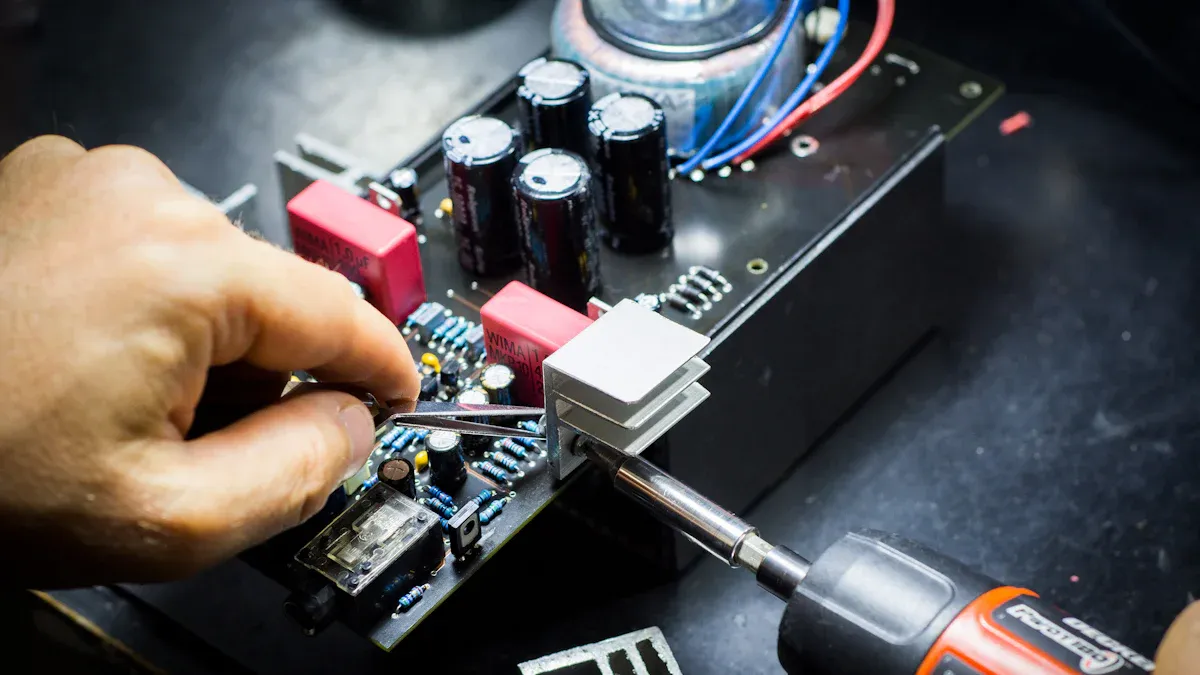
Proactive maintenance strategies significantly extend the lifespan of solenoid valve coils. These methods also prevent unexpected system failures. Implementing a robust maintenance plan helps teams identify potential issues before they escalate.
Regular Inspection Protocols
Regular inspections are fundamental for maintaining solenoid valve coils. Teams should conduct these checks at monthly or quarterly intervals, depending on the valve’s usage intensity. During inspections, personnel must carefully examine wire terminals and connectors. This is especially important in humid or vibration-prone environments. Loose or oxidized terminals can interrupt signals, leading to operational problems. Consistent visual checks help detect early signs of wear or damage.
Predictive Maintenance Techniques
Predictive maintenance employs advanced techniques to monitor solenoid valve coil health. This approach involves tracking several key parameters. Teams monitor electrical characteristics such as current draw, resistance, and response time. They also analyze current and voltage patterns. Temperature monitoring helps identify overheating issues. Coil resistance checks provide early detection of coil failure. Machine learning devices can learn control parameters, offering deeper insights into performance trends. These methods allow for timely interventions, preventing major breakdowns.
Training and Awareness for Teams
Effective training programs empower maintenance staff. These programs focus on proper troubleshooting procedures for solenoid valve coils. They also cover essential safety requirements. Training on preventive maintenance techniques is crucial. Systematic solenoid valve troubleshooting training transforms reactive maintenance into proactive reliability management. This approach maximizes uptime and minimizes operational costs. Well-trained teams can quickly diagnose and address issues, ensuring continuous operation.
Vigilance in identifying Solenoid Valve Coil warning signs is paramount. Proactive maintenance extends equipment lifespan, reduces energy costs, and minimizes emergency repairs. This approach also allows for more accurate budgeting. Teams must implement regular checks and intervene immediately to prevent costly downtime.
FAQ
What is the most common cause of solenoid valve coil failure?
Overheating often causes solenoid valve coil failure. Excessive heat degrades insulation, leading to short circuits. Incorrect voltage or continuous energization also contributes.
How can maintenance teams prevent solenoid valve coil failure?
Regular inspections and predictive maintenance prevent failure. Teams should monitor electrical characteristics and temperature. Adhering to manufacturer specifications is crucial.
What should a team do if a solenoid valve coil completely fails?
Immediately replace the failed solenoid valve coil. Investigate the root cause of the failure. This prevents recurrence and ensures system reliability.
Post time: Jan-06-2026