

Choosing the right solenoid coil for wet and dusty environments hinges on understanding IP ratings. These ratings provide essential insights into the protection level against moisture and dust. Properly rated solenoid coils enhance operational lifespan by preventing moisture-related damage, ensuring reliability in harsh conditions.
Key Takeaways
- IP ratings indicate how well solenoid coils resist dust and moisture. Higher ratings mean better protection, ensuring reliable operation in harsh environments.
- Choosing the right IP rating is crucial. For wet environments, consider IP67 or IP68 ratings. For dusty conditions, aim for IP5 or IP6 ratings to prevent failures.
- Evaluate environmental factors before selecting solenoid coils. Assess exposure to moisture and dust to enhance the longevity and performance of your equipment.
What are IP Ratings?
An IP rating, or Ingress Protection rating, serves as an international standard defined by the International Electrotechnical Commission (IEC) under standard IEC 60529. This rating classifies how well electrical enclosures protect against solids, such as dust and dirt, and liquids, including rain and splashes.
The IP rating system provides a clear indication of an enclosure’s resistance to these elements. It consists of two digits: the first digit represents protection against solids, while the second digit indicates protection against liquids. Higher numbers in both categories signify greater protection. For example, an IP68 rating indicates complete protection against dust and the ability to withstand continuous immersion in water.
Testing for IP ratings occurs in controlled environments, following specific parameters outlined in the IEC 60529 standard. These tests assess how well enclosures resist the ingress of solid particles and liquids. The testing conditions include water pressure, spray angles, and immersion depths. This rigorous process ensures that manufacturers can confidently claim the level of protection their products offer.
Understanding IP ratings is crucial for selecting the right solenoid coil, especially in environments prone to moisture and dust. By choosing a solenoid coil with an appropriate IP rating, users can enhance the reliability and longevity of their equipment.
Importance of IP Ratings for Solenoid Coils
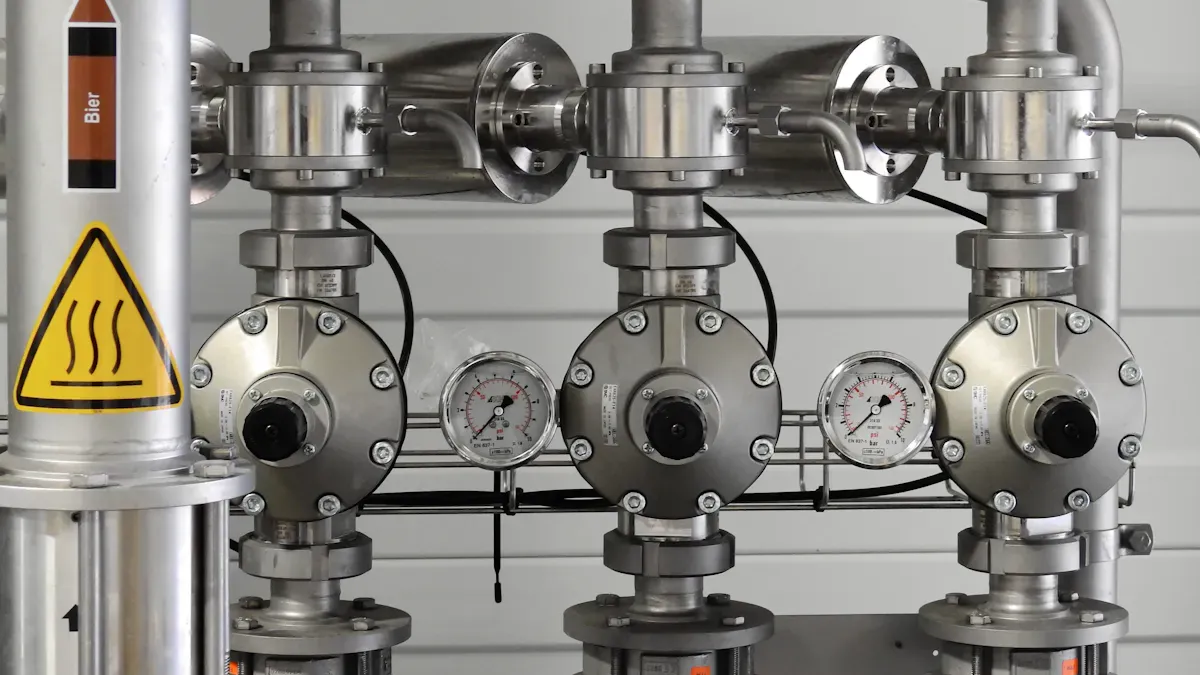
IP ratings play a crucial role in determining the reliability and longevity of solenoid coils, especially in challenging environments. These ratings provide essential information about how well a solenoid coil can withstand exposure to dust and moisture. Understanding the importance of IP ratings can help engineers and technicians make informed decisions when selecting solenoid coils for specific applications.
Key Aspects of IP Ratings
The following table outlines the critical aspects of IP ratings and their significance for solenoid coils:
| Aspect | Explanation |
|---|---|
| Protection Against Ingress | IP ratings indicate the level of protection against dust and water, essential for functionality. |
| Classification Standard | The IEC 60529 standard provides a clear classification of protection levels for electrical equipment. |
| Importance of Assessment | Engineers must assess environmental factors to determine the necessary IP rating for reliability. |
| Consequences of Incorrect Ratings | Incorrect ratings can lead to premature failure and increased costs due to overvoltage and heat. |
Selecting a solenoid coil with an appropriate IP rating ensures that it can operate effectively in its intended environment. Without adequate protection, solenoid coils may experience various failure modes, leading to costly repairs and downtime.
Common Failure Modes
Solenoid coils lacking sufficient IP protection often encounter several issues, including:
- High humidity can cause corrosion and mechanical issues.
- Exposure to corrosive gases can damage coil encapsulation.
- Dust and moisture can lead to accelerated wear and component sticking.
To mitigate these risks, manufacturers often employ various sealing techniques. The following table highlights some effective methods:
| Sealing Technique | Benefit |
|---|---|
| Epoxy encapsulation | Prevents moisture ingress and corrosion |
| IP67-rated sealed coils | Operate reliably in wet or dusty environments |
| Molded housings | Resist UV degradation and chemical exposure |
By understanding the importance of IP ratings, engineers can select solenoid coils that meet the demands of their specific applications. This proactive approach minimizes the risk of failure and enhances the overall performance of the equipment.
Understanding the First Digit of IP Ratings
The first digit of an IP rating is crucial for understanding the level of protection a solenoid coil has against solid objects, including dust and other particulates. This digit ranges from 0 to 6, with higher numbers indicating better protection. Each number corresponds to a specific level of defense against the ingress of solid materials, which is essential for maintaining the functionality of solenoid coils in various environments.
Protection Levels
The following table outlines the meanings associated with each first digit in IP ratings:
| First Digit | Meaning |
|---|---|
| 0 | No protection |
| 1 | Protection against large solid objects (≥ 50 mm) |
| 2 | Protection against medium-sized solid objects (≥ 12.5 mm) |
| 3 | Protection against small solid objects (≥ 2.5 mm) |
| 4 | Protection against very small solid objects (≥ 1 mm) |
| 5 | Dust-protected (ingress of dust is not entirely prevented, but it must not enter in sufficient quantity to interfere with the satisfactory operation of the equipment) |
| 6 | Dust-tight (no ingress of dust) |
The first digit significantly affects the protection level against solid objects. For instance, a solenoid coil rated with a ’6′ means it is dust-tight, ensuring no dust can enter. Conversely, a rating of ’3′ indicates protection only against objects larger than 2.5 mm. This distinction is vital for applications in dusty environments, where even small particles can lead to operational failures.
Testing Procedures
To determine the first digit of IP ratings, manufacturers conduct specific tests. The following table summarizes the requirements for dust protection testing:
| Test Type | Requirement |
|---|---|
| Dust Protection Test | The enclosure must prevent dust ingress that could interfere with operation; no dust accumulation that hinders performance is allowed. |
Understanding these testing procedures helps engineers ensure that solenoid coils meet the necessary standards for their intended applications. The first digit of the IP rating serves as a reliable indicator of how well a solenoid coil can withstand exposure to solid particulates, ultimately influencing its performance and longevity in challenging environments.
By selecting solenoid coils with appropriate first-digit ratings, users can enhance the reliability of their systems. This proactive approach minimizes the risk of failure and ensures optimal operation in dusty conditions.
Understanding the Second Digit of IP Ratings
The second digit of an IP rating indicates the level of protection against liquids, such as water. This digit ranges from 0 to 9, with higher numbers representing better resistance to water ingress. For instance, an IP65 rating signifies full protection against dust and resistance to water jets from any direction. This level of protection is crucial for solenoid coils operating in wet environments.
Testing for water ingress follows specific protocols. The IPX9 and IPX9K ratings are designed to evaluate solenoid coils for water resistance. The IPX9 test, defined by IEC 60529, involves spraying water at high pressure to assess the enclosure’s ability to withstand water jets. The IPX9K test, according to ISO 20653, includes high-pressure steam cleaning. This test evaluates the impact of heat, water, and chemicals on seals and connectors, ensuring that solenoid coils can endure harsh conditions.
Understanding the second digit of IP ratings helps engineers select solenoid coils suitable for their applications. A higher second digit indicates better protection against water, which is essential for maintaining functionality in environments prone to moisture. By choosing solenoid coils with appropriate ratings, users can enhance the reliability and longevity of their equipment.
Common IP Ratings for Solenoid Coils
In European industrial environments, certain IP ratings frequently appear for solenoid coils. These ratings indicate how well the coils resist dust and moisture, which is crucial for maintaining functionality.
IP ratings show how well a valve’s enclosure protects against solids and liquids. For example, IP65 means dust-tight and protected from water jets. These ratings help you choose a valve that survives its operating environment.
The following list highlights some of the most common IP ratings for solenoid coils:
- IP65: Dust-tight and protected against low-pressure water jets.
- IP67: Dust-tight and can withstand temporary immersion in water up to 1 meter deep for 30 minutes.
- IP68: Dust-tight and suitable for continuous immersion in water beyond 1 meter.
Selecting solenoid coils with these ratings ensures reliable operation in wet and dusty conditions. Engineers must consider the specific environmental challenges when choosing the appropriate IP rating. By doing so, they can enhance the durability and performance of solenoid coils in demanding applications.
IP Ratings for Wet Environments

Selecting solenoid coils for wet environments requires careful consideration of IP ratings. These ratings indicate how well a device can resist moisture ingress, which is critical for maintaining functionality in challenging conditions.
For applications that involve consistent exposure to water, higher IP ratings are essential. The IP69K rating stands out as particularly suitable for high-pressure wash-down applications. This rating ensures that the solenoid coil remains dust-tight and can withstand both high-pressure water jets and steam cleaning. Such protection is vital in industries like food processing, where cleanliness and equipment reliability are paramount.
When evaluating solenoid coils for wet environments, engineers should consider the following factors:
- Application Requirements: Identify the specific conditions the solenoid coil will face, including potential exposure to water and cleaning processes.
- Maintenance Needs: Choose coils that minimize maintenance efforts while ensuring long-term reliability.
- Environmental Conditions: Assess the likelihood of water exposure and select an IP rating that provides adequate protection.
By prioritizing these factors, engineers can select solenoid coils that not only meet operational demands but also enhance the durability of their systems in wet environments.
IP Ratings for Dusty Environments
Selecting solenoid coils for dusty environments necessitates careful attention to IP ratings. These ratings indicate how well a device can resist dust ingress, which is vital for maintaining functionality in challenging conditions.
The following table outlines the various IP ratings related to solid particle protection:
| IP Rating | Description |
|---|---|
| 0 | No Protection |
| 1 | Protection from objects over 50mm |
| 2 | Protection from objects over 12.5mm |
| 3 | Protection from objects over 2.5mm |
| 4 | Protection from objects over 1mm |
| 5 | Protected against dust, but not completely sealed |
| 6 | Completely sealed against dust |
For environments with high dust exposure, solenoid coils should ideally have an IP rating of 5 or 6. A rating of 5 indicates that the coil is protected against dust, while a rating of 6 ensures complete sealing against dust ingress.
Dust can significantly affect the functionality and safety of solenoid coils. It can clog internal passages, leading to reduced efficiency. Increased wear and tear on components may occur due to dust accumulation. Ultimately, valve failure may result from these issues, compromising both functionality and safety.
By selecting solenoid coils with appropriate IP ratings, engineers can enhance the reliability of their systems in dusty conditions. This proactive approach minimizes the risk of failure and ensures optimal operation in environments where dust poses a significant challenge.
Comparing IP Ratings for Solenoid Coils
When selecting solenoid coils, comparing IP ratings is essential for understanding their protective capabilities. Two commonly referenced ratings are IP66 and IP67. Both ratings indicate strong resistance to dust and water, but they serve different purposes.
-
IP66: This rating signifies that the solenoid coil is dust-tight and can withstand powerful water jets. It is ideal for environments where equipment may face heavy rain or splashing water. The robust design ensures that no dust particles can enter, maintaining optimal functionality.
-
IP67: In contrast, this rating indicates that the solenoid coil is also dust-tight but can be submerged in water up to 1 meter for a limited time. This feature is crucial for applications where equipment may experience temporary flooding or immersion.
Choosing between IP66 and IP67 depends on the specific environmental conditions. For instance, if a solenoid coil will be exposed to high-pressure water jets, IP66 is preferable. However, if the application involves potential submersion, IP67 offers the necessary protection.
Engineers must assess the operational environment carefully. Understanding the differences between these ratings allows for informed decisions, ensuring that solenoid coils perform reliably in their intended applications. By selecting the appropriate IP rating, users can enhance the longevity and efficiency of their systems.
Practical Considerations for Solenoid Coil Selection
Selecting the right solenoid coil involves several practical considerations. Engineers must evaluate various factors to ensure optimal performance in specific applications.
Key Factors to Consider
| Factor | Description |
|---|---|
| IP Rating | Indicates the level of protection against dust and moisture. |
| Environmental Conditions | Essential for ensuring reliable operation in specific applications. |
When choosing a solenoid coil, the mounting orientation and installation conditions significantly impact the IP protection rating. If the solenoid will face exposure to dust, moisture, or chemicals, selecting an appropriate IP rating becomes crucial for reliable operation.
Additionally, installation practices play a vital role in the effectiveness of IP-rated solenoid coils. Consider the following:
- Choose appropriate IP ratings for dust and moisture protection.
- Seal electrical connections against moisture ingress.
- Select IP-rated coils for harsh conditions and verify hazardous area certifications if needed.
- Assess the need for weather protection or sealed coil options.
- Account for external factors such as humidity, corrosive air, or dust intrusion.
By addressing these considerations, engineers can enhance the reliability and longevity of solenoid coils in demanding environments. A thorough understanding of the operational context ensures that the selected solenoid coil meets the necessary performance standards.
Real-World Examples of Solenoid Coil Failures
Solenoid coil failures often stem from inadequate IP ratings, leading to significant operational issues. Understanding these failures can help engineers make informed decisions when selecting solenoid coils for specific applications.
One notable example involves solenoid coils rated at IP66. These coils provide excellent protection against high-pressure water jets and dust. However, in environments where prolonged exposure to moisture occurs, such as water treatment facilities, these coils may still fail. Engineers should consider using IP67-rated coils for such applications. These coils offer weatherproof enclosures suitable for submerged or extremely wet environments.
Another critical case involves explosion-proof coils, rated Ex db IIC T6 Gb. These coils are essential in hazardous areas like petrochemical and oil & gas industries. Failure to use properly rated coils can lead to catastrophic incidents, including explosions.
The following table summarizes the key IP ratings and their applications:
| IP Rating | Description | Application |
|---|---|---|
| IP66 | Excellent protection against high-pressure water jets and dust | Standard industrial environments |
| IP67 | Weatherproof enclosures for submerged or extremely wet environments | Water treatment, outdoor applications |
| Ex db IIC T6 Gb | Certified explosion-proof coils for hazardous areas | Petrochemical, oil & gas industries |
By learning from these real-world examples, engineers can enhance the reliability of solenoid coils in various environments. Selecting the appropriate IP rating is crucial for preventing failures and ensuring operational safety.
Selecting the correct IP rating for solenoid coils is essential for ensuring reliable performance in wet and dusty environments. A higher IP rating provides enhanced protection against moisture and dust, preserving the functionality and safety of these components.
| Feature | Benefit |
|---|---|
| IP-rated enclosures | Resist moisture and dust ingress |
| Thermoplastic encapsulated coils | Enhanced durability in harsh environments |
| PTFE seals | Improved sealing against contaminants |
By prioritizing appropriate IP ratings, engineers can enhance the longevity and efficiency of solenoid coils in challenging applications.
FAQ
What does the first digit in an IP rating signify?
The first digit indicates protection against solid objects, ranging from no protection to complete dust-tightness.
Why is an IP rating important for solenoid coils?
An IP rating ensures solenoid coils resist moisture and dust, enhancing reliability and longevity in harsh environments.
How can I determine the right IP rating for my application?
Evaluate environmental conditions, potential exposure to dust and moisture, and select an IP rating that meets those specific needs.
Post time: Apr-06-2026