
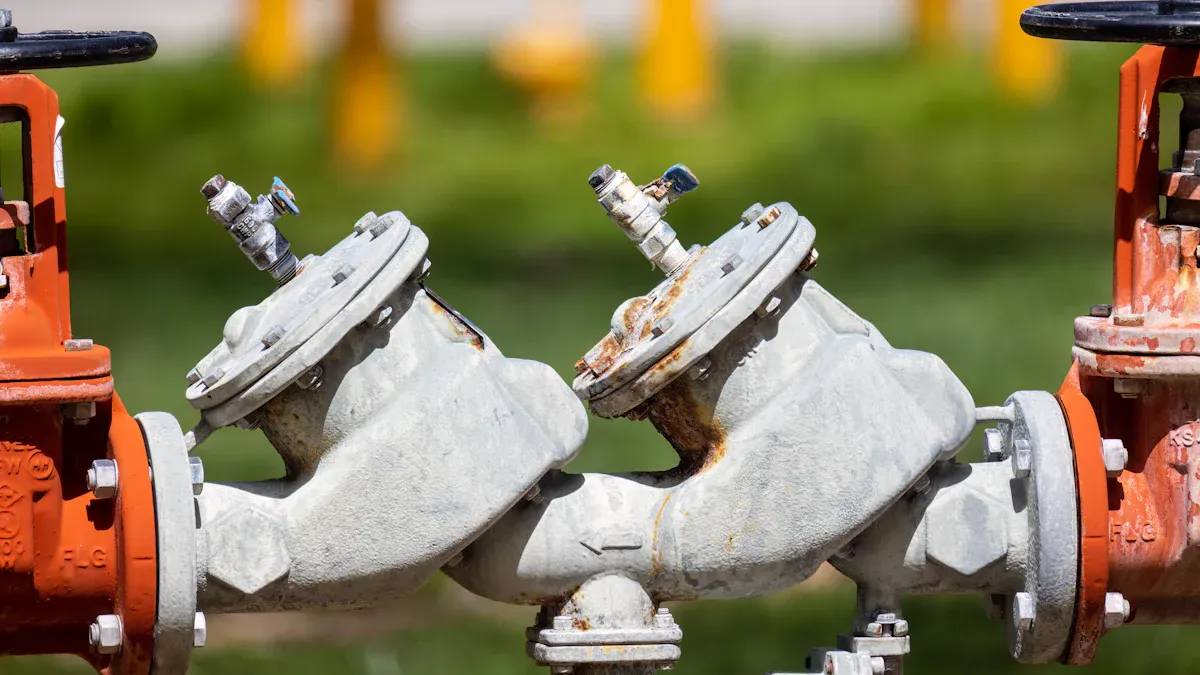
Specialized Solenoid Valve Coils are crucial for safe, reliable valve operation. They protect against moisture ingress, preventing electrical failures. These coils also mitigate ignition risks in hazardous areas. This ensures consistent performance in challenging outdoor and industrial settings.
Key Takeaways
- Standard solenoid coils are not safe for wet or explosive places. They can fail from water or cause fires in dangerous air.
- Waterproof coils stop water damage. Explosion-proof coils prevent sparks that could cause a fire. Both types keep valves working safely.
- Some places need both waterproof and explosion-proof coils. This protects against water and fire risks at the same time. This keeps people and equipment safe.
Why Standard Solenoid Valve Coils Are Insufficient
Vulnerabilities of Standard Coils to Environmental Factors
Standard Solenoid Valve Coils often prove inadequate for demanding environments. Their design leaves them vulnerable to various environmental factors. For instance, moisture ingress frequently causes coil short circuits. This necessitates checks for fluid flow or drips near connections. Extreme temperatures also pose significant threats. High medium temperatures can lead to coil failure, requiring a suitable valve variant. Similarly, high ambient temperatures cause issues, suggesting relocation or increased ventilation. Open frame coils are particularly susceptible to dust and moisture due to their lack of protective casing. High temperatures increase coil resistance, negatively impacting current flow and overall performance. External fluids and extreme humidity are critical environmental factors. Materials used in the valve must be compatible with their surroundings to prevent thermal expansion, corrosion, or general material degradation. Moisture intrusion can also cause solenoid coil overheating and burnout.
Ignition Risks of Standard Coils in Flammable Atmospheres
Beyond environmental vulnerabilities, standard coils present significant ignition risks in flammable atmospheres. These coils are not designed to contain or prevent sparks or heat. During operation, internal sparks can generate within the coil. This poses a direct ignition source for combustible gases or dust. Furthermore, the heat generated during normal operation also acts as a primary ignition source. In environments with flammable vapors, gases, or dust, this heat can easily reach the auto-ignition temperature of the surrounding atmosphere. Such conditions create a severe risk of explosion. Therefore, a standard Solenoid Valve Coil is inherently unsafe for hazardous locations.
Understanding Waterproof Solenoid Valve Coils
Definition and Key Features of Waterproof Coils
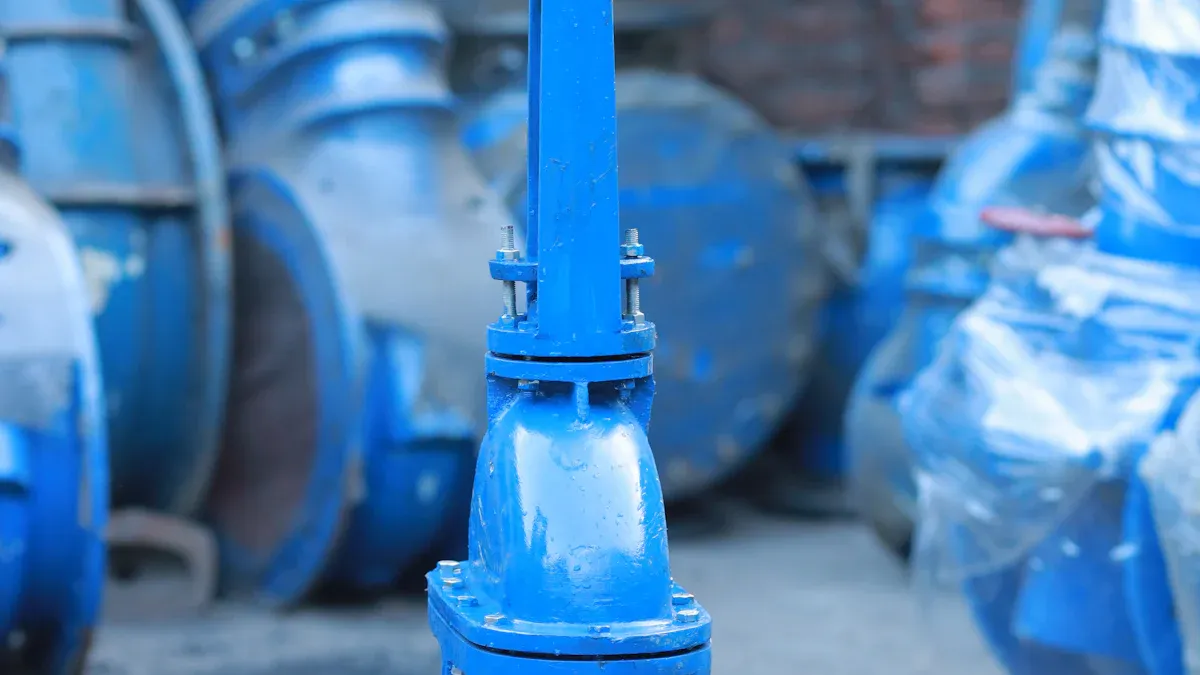
Waterproof solenoid valve coils are specialized electrical components. They operate reliably in wet, humid, or submerged conditions. Manufacturers design these coils to prevent water ingress. This protects internal electrical windings from damage. Epoxy resin often serves as a packaging material. It protects against moisture, dust, and shock. This robust construction ensures the coil’s longevity and consistent performance.
These coils feature specific materials for enhanced durability:
| Component | Material |
|---|---|
| Bobbin material | Heat-resistant thermoplastic polyester materials (PBT, PA66, PPS, PET) |
| Coil wire | Class H wire (service up to 200℃, IEC317-8) |
| Encapsulation material | Specially designed, high-quality BMC thermoplastic material |
Key features of waterproof coils include:
- Reliable Performance: The coil functions effectively in wet and humid environments without water damage.
- Durable Construction: Manufacturers make these coils from high-quality, rust-resistant stainless steel.
- Protective Coatings: Anti-corrosion coatings prevent rust on the valve body.
- Sealed Electrical Components: Waterproof housing and sealed connections protect the solenoid coil from moisture.
- Coil Housing Material: Epoxy resin is a typical material for the coil housing.
- Electrical Connection Sealing: Gaskets or O-rings prevent water from entering.
Waterproof coils achieve various Ingress Protection (IP) ratings. These ratings indicate the level of protection against solids and liquids.
- IP54: Protects against dust ingress and splashing water.
- IP65: Is dust-tight and protected against water jets.
- IP67: Offers complete protection from dust and immersion in water up to 1 meter.
- IP68: Is designed for continuous submersion under specific conditions.
- IP69K: Resists high-pressure, high-temperature water jets, ideal for food and hygiene applications.
Benefits of Waterproofing for Valve Operation
Waterproofing offers significant benefits for valve operation. It primarily prevents moisture-related failures. Water ingress can cause short circuits, corrosion, and insulation breakdown. Waterproof coils eliminate these risks. This ensures continuous and reliable valve function. The enhanced durability of these coils also extends their service life. This reduces maintenance costs and downtime. Operators can deploy valves with waterproof coils in outdoor settings without concern for rain or humidity. They also perform well in environments with washdowns or splashes. This protection guarantees operational integrity and safety in challenging conditions.
Common Applications for Waterproof Solenoid Valve Coils
Waterproof solenoid valve coils are indispensable across many industries. They ensure reliable fluid control in demanding environments.
- Industrial Automation and Mechanical Equipment:
- Hydraulic and pneumatic control systems use them. They control actuators and oil cylinders for automatic movement and process control.
- Production lines and manufacturing systems utilize them. They control material conveying and addition to enhance efficiency.
- Automotive Manufacturing:
- Engine systems incorporate them. Camshaft solenoid valves adjust valve timing.
- Fuel evaporative emission control systems use them. Canister solenoid valves manage fuel vapor.
- Water Treatment and Cleaning Systems:
- High-pressure cleaning equipment relies on them. They control water flow in car washes and industrial cleaning.
- Wastewater treatment facilities use them. They direct wastewater flow to meet environmental standards.
- Household Appliances and Consumer Goods:
- Internal fluid control systems use them. They manage water flow in washing machines and dishwashers.
- Other Areas:
- Aerospace applications require them for precise fluid control.
- Irrigation Systems use them for controlling water flow in outdoor or wet environments.
Understanding Explosion-Proof Solenoid Valve Coils

Definition and Key Features of Explosion-Proof Coils
Explosion-proof solenoid valve coils are specialized electrical components. They operate safely in environments with flammable gases, vapors, or dust. Manufacturers design these coils to prevent ignition of the surrounding atmosphere. They achieve this through specific materials and protective features.
These coils incorporate several key design principles:
- Intrinsic Safety: This principle keeps electrical energy levels very low. It prevents sparks or heat from igniting flammable substances. This makes them safe for hazardous environments.
- Explosion-Proof Housing: This housing acts as a strong container. It prevents any internal sparks or pressure changes from escaping. This design is vital for safety in potentially explosive atmospheres.
- Thermal Protection: This safeguard cuts off power if internal temperatures become too high. It prevents insulation breakdown and reduces fire risks.
- Overcurrent Protection: This circuit quickly shuts down the system during electrical issues. It protects against voltage surges or short circuits. This ensures continued safe operation.
Explosion-proof solenoid valve coils are specifically designed with materials and features. These actively prevent the ignition of flammable gases or dust. This ensures safety in potentially explosive atmospheres.
Principles of Explosion Protection in Hazardous Areas
Explosion protection for solenoid valve coils relies on several methods. Each method aims to prevent ignition in hazardous areas.
- Flameproof (Exd): This method uses a robust enclosure. The enclosure contains any internal explosion. It prevents the explosion from spreading to the outside atmosphere.
- Encapsulated (Ex m): This method involves enclosing the solenoid valve or coil. Electrical components are sealed within a compound. This prevents ignition of an explosive atmosphere.
- Increased Safety & Encapsulated (Ex e mb): This combines methods. The coil is encapsulated. It also has over-temperature protection. Terminals meet increased safety requirements.
- Intrinsically Safe (Ex ia): This method limits electrical spark energy. It also limits surface temperature in hazardous area circuits. These levels are too low to ignite an explosive atmosphere.
- Non-Sparking (Ex nA): This applies to non-incendive electrical equipment. Solenoid valves or coils do not reach abnormally high temperatures. This remains true even if the armature is locked out.
These methods ensure the coil does not become an ignition source. They meet strict international standards. These include ATEX (European), IECEx (International), CSA (North America), and UL (United States & Canada). Other certifications exist, such as NEPSI (China), INMETRO (Brazil), TR CU (Russia), UKEX, CCC, EAC, Australia, MA, and JPEx (Japan). These certifications ensure compliance with directives like ATEX Directive 2014/34/EU, IECEx, and NEC 500/505.
Benefits of Explosion-Proofing for Safety and Compliance
Explosion-proofing offers significant safety and compliance benefits. These coils meet or exceed regulatory standards. This reduces liability and ensures operational safety.
Using these coils provides several advantages:
- Enhanced Safety: They prevent explosions in hazardous environments. This protects personnel and equipment.
- Regulatory Compliance: They achieve global certifications. These include ATEX and IECEx Type Examination Certificates. They follow the latest explosion protection standards. Updated Ex approvals in Korea (KC) and China (CCC) are available. New certification for Japan (JPEx) also exists for selected models. This ensures a globally compliant solution.
- Increased Durability: Integrated surge suppression protects the valve coil and control electronics. This minimizes premature coil burnout. It also reduces maintenance overhead.
- Operational Reliability: They lead to longer mean time between failures (MTBF). This means fewer emergency shutdowns. Initial costs are often recovered quickly in continuous-service installations.
- Simplified Installation: Class I, Division 2 certification for hazardous locations allows easier valve installation. This applies to areas where flammable gases or vapors may occasionally be present. It simplifies selection and wiring processes.
These coils are designed for Zone 1/21 hazardous areas. They ensure compliance with Ex dm requirements. This prevents explosion risks in environments with flammable gases, vapors, or dust.
Common Applications for Explosion-Proof Solenoid Valve Coils
Explosion-proof solenoid valve coils are essential in many industries. They operate where explosive atmospheres are present.
Industries that commonly use these coils include:
- Chemical Industry: They control the flow of hazardous chemicals.
- Petrochemical: They are vital in refineries and processing plants.
- Oil and Gas: They manage pipelines, drilling, and storage.
- Gas Pipe Network: They ensure safe gas distribution.
- Pharmaceuticals: They control processes involving flammable solvents.
- Power Generation: They are used in power plants, especially those handling fuels.
- Food: They operate in areas with combustible dust, like flour mills.
- Mining: They control equipment in underground and dusty environments.
- Manufacturing: High-risk manufacturing processes often require them.
- Aerospace: They are used in fuel systems and other critical applications.
- Marine: They operate on ships and offshore platforms.
These coils are crucial for maintaining safety and operational integrity. They are deployed in environments where standard coils would pose a severe ignition risk.
The Dual Advantage: When Both Protections Are Essential
Some industrial environments present a complex set of challenges. They combine the risks of moisture exposure with the presence of flammable substances. In these demanding settings, specialized protection for valve components becomes paramount. Standard coils cannot withstand such conditions. Even coils with only one type of protection fall short. Therefore, engineers must select solenoid valves with auxiliary functions like explosion-proof, check, manual, waterproof, fog-proof, water spray, and diving capabilities. This selection always depends on the specific installation environment.
Scenarios Requiring Both Waterproof and Explosion-Proof Solenoid Valve Coils
Many critical industrial scenarios demand both waterproof and explosion-proof capabilities for solenoid valve coils. These environments often involve outdoor operations or processes with regular washdowns, combined with the inherent risk of explosive atmospheres.
Consider these industries:
- Oil and Gas Industry: This sector features flammable gases, vapors, and volatile substances during drilling, refining, and transport. Offshore platforms and coastal refineries also face constant exposure to saltwater and harsh weather.
- Chemical Manufacturing: This industry involves reactive chemicals and high temperatures. It creates hazardous environments in batch processing, safety shutdown systems, and feed control. Many chemical processes also require frequent cleaning with water or steam.
- Mining Operations: Mines often contain flammable gases, especially during coal and gas extraction. Ventilation systems and process control equipment require protection from both explosive dust and groundwater.
- Wastewater Treatment: Pumping stations and chemical treatment processes can accumulate explosive gases. These facilities also operate in consistently wet and humid conditions.
- Paint and Coating Industries: These industries use flammable solvents in spray booths and paint production facilities. Cleaning processes often involve water, making dual protection essential.
In these applications, the coil’s design must address both threats. For instance, enclosure ratings like NEMA 4/4X provide protection against water, dust, and corrosion. IP67 indicates resistance to dust and immersion in water up to 1 meter. Sealed coils contain sparks within the coil enclosure, preventing ignition of hazardous materials. Isolated electrical connections further prevent ignition sources from reaching the hazardous environment. Chemical plants, for example, are identified as hazardous areas. Operational safety compliance, including flameproof enclosures and intrinsic safety certification (e.g., ATEX, IECEx), is crucial for their solenoid valve coils.
How Combined Protection Enhances Operational Integrity
Integrating both waterproof and explosion-proof features into solenoid valve coils significantly enhances overall system reliability and uptime. This dual protection ensures continuous operation and prevents costly failures in the most challenging environments.
For outdoor or washdown settings, weather-proof or waterproof solenoid valves (IP65 or higher) are essential. They prevent water and dust ingress, which can cause short circuits or failures. This protection avoids unexpected downtime due to environmental factors. In explosive environments, such as oil refineries, chemical plants, and coal mines, explosion-proof solenoid valves with appropriate hazardous location ratings are mandatory. They prevent electrical components from igniting flammable gases, thereby averting catastrophic failures and significant downtime.
The combination of these protections means a single Solenoid Valve Coil can withstand both environmental moisture and potential ignition risks. Matching the valve’s ingress protection (IP) and hazardous area ratings to site conditions is crucial. This ensures safe and reliable operation. It prevents failures due to environmental or interface issues. Ultimately, this contributes to overall system reliability and uptime, safeguarding both equipment and personnel.
Choosing the Right Solenoid Valve Coil
Assessing Environmental Conditions for Coil Selection
Selecting the correct solenoid valve coil requires careful evaluation of environmental conditions. Engineers must check the valve’s technical datasheet for fluid and ambient temperature ranges. Coil insulation, such as Class H, suits high-heat environments. Heat sinks or insulation jackets protect coils in high-temperature areas. IP-rated enclosures prevent condensation and moisture ingress in cold or wet conditions. They also protect against dust. The atmosphere’s ambient temperature significantly impacts valve life. Ingress protection ratings like IP-65 or Type 4/4X specify resistance to dust and water. Material compatibility is also crucial. Body and sealing materials must suit system demands. For example, stainless steel offers better corrosion resistance than brass for aggressive chemicals. Hazardous environments require explosion-proof coils to prevent ignition. Engineers also determine the system’s voltage, noting AC or DC and frequency.
Understanding Certification Requirements for Coils
Solenoid valve coils must meet specific certification requirements for different markets. ISO 9001 ensures a structured quality management system. ISO 14001 indicates environmental management compliance. CE Marking is mandatory for most valves sold in the European Economic Area. It confirms compliance with safety, health, and environmental requirements. ATEX Certification is necessary for equipment in explosive atmospheres. This includes oil and gas or chemical processing. IECEx often serves as an equivalent in Middle Eastern markets. RoHS compliance ensures valves are free from hazardous materials. REACH compliance conforms to chemical substance restrictions. UL Certification validates safety and performance in North America. These certifications ensure product safety and market entry.
Material Compatibility and Durability of Coils
Material selection directly impacts a solenoid coil’s durability and performance. Coil housings often use epoxy, plastic, or metal. These materials resist heat and moisture. Encapsulated coils offer enhanced resistance to vibration and moisture. Epoxy, rubber, specialized polyester resins, and engineering plastics serve as encapsulation materials. These materials provide resistance against abrasion, moisture, chemicals, and voltage surges. Epoxy resin completely encapsulates the coil. It offers high protection against moisture, dust, and mechanical damage. It also improves electrical insulation. Using insulation materials resistant to chemical attack prevents corrosion. This ensures the longevity of coils in corrosive environments.
Waterproof and explosion-proof solenoid valve coils are essential for valve operation. They provide critical protection against environmental damage and ignition risks. These specialized coils ensure operational reliability, enhance personnel safety, and maintain regulatory compliance. They are indispensable in challenging outdoor and hazardous industrial settings.
FAQ
What is the main difference between waterproof and explosion-proof coils?
Waterproof coils protect against moisture and liquids. Explosion-proof coils prevent ignition in flammable atmospheres. They address different environmental hazards.
Why are certifications important for these coils?
Certifications like ATEX and IECEx ensure coils meet strict safety standards. They confirm the coils operate safely in hazardous environments. This protects personnel and equipment.
Can a coil be both waterproof and explosion-proof?
Yes, many specialized coils offer both protections. This dual capability is essential for environments with both moisture exposure and explosion risks. It ensures comprehensive safety.
Post time: Dec-31-2025