
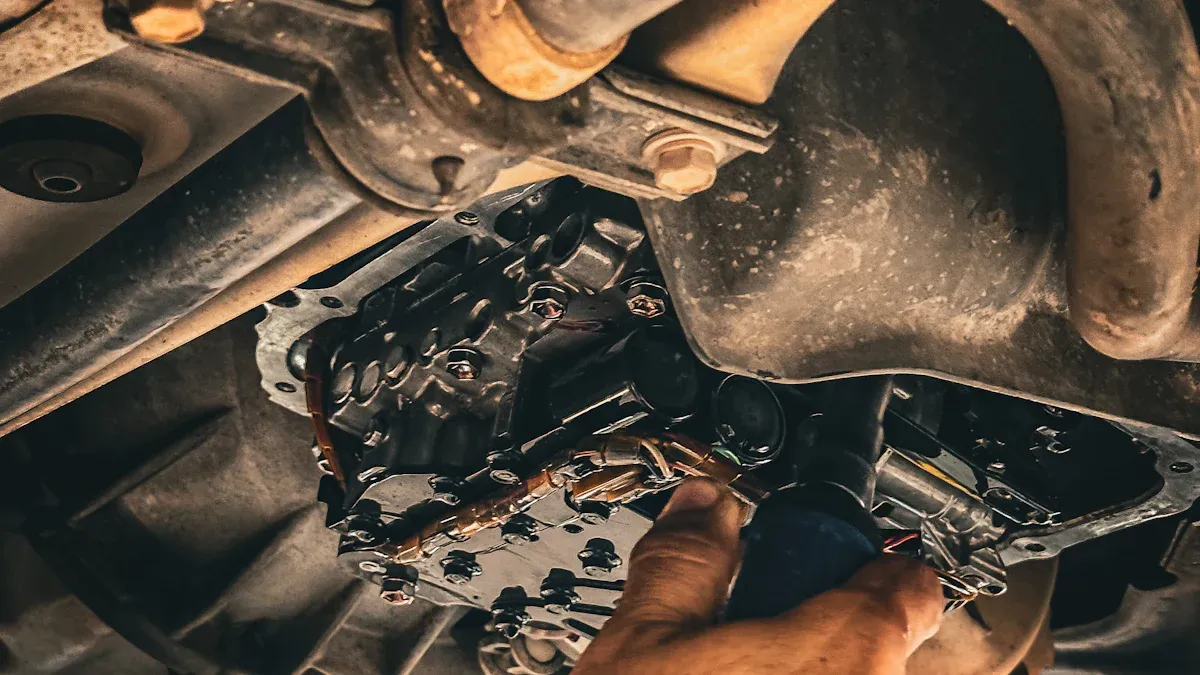
A recurring transmission solenoid valve failure indicates a deeper problem. Simply replacing the component often fails to address the actual cause. A typical transmission solenoid replacement costs around $600, covering both parts and labor. Underlying issues, such as contaminated fluid, electrical problems, internal transmission wear, or incorrect installation, are likely culprits. Understanding these deeper problems is crucial for a lasting solution and preventing future breakdowns.
Key Takeaways
- Repeated solenoid valve failures mean a bigger problem. Just replacing the part does not fix the real cause.
- Dirty fluid, electrical issues, or worn parts inside the transmission often cause these failures. Find the true problem for a lasting fix.
- Regular fluid changes and careful checks of electrical and internal parts stop future solenoid problems. This saves money and keeps your car running well.
Understanding the Role and Failure Signs of a Transmission Solenoid Valve
What a Transmission Solenoid Valve Does
A transmission solenoid valve plays a critical role in automatic transmission systems. It manages how transmission fluid moves around inside the transmission valve body. This electromechanical device receives electrical signals from the Transmission Control Module (TCM). These signals instruct the valve to control the shifting of gears within an automatic transmission. The solenoid regulates hydraulic pressure within the transmission, ensuring smooth and timely gear changes. It also ensures correct gear engagement for optimal performance and efficiency. When an electric current energizes the solenoid’s coil, it creates a magnetic field. This field moves a plunger, which opens or closes hydraulic passages. This action precisely regulates the pressure and flow of transmission fluid, allowing for accurate gear changes. Modern systems often use Pulse Width Modulation (PWM) to vary the electrical signal, enabling precise management of hydraulic pressure for efficient shifts.
Common Symptoms of a Failing Transmission Solenoid Valve
Several indicators suggest a failing transmission solenoid valve. Drivers often experience rough shifting or delayed gear engagement. The vehicle might also exhibit erratic shifting patterns. A common audible symptom is a high-pitched whining noise. This noise occurs when the engine revs up without a corresponding increase in speed, indicating transmission slipping. Grinding gears and harsh shifts are also frequent complaints. These symptoms arise because the solenoid cannot properly regulate fluid flow, preventing the transmission from engaging gears smoothly or at the correct time.
Uncovering the Root Causes of Repeated Transmission Solenoid Valve Failure
Contaminated or Degraded Transmission Fluid
Contaminated or degraded transmission fluid often lies at the heart of repeated solenoid failures. Over time, transmission fluid breaks down, losing its lubricating and cooling properties. This degradation can lead to blockages within the delicate hydraulic passages of the transmission. Debris and impurities in the fluid obstruct solenoid function. These contaminants hinder proper operation and cause malfunctions. Poor fluid quality also results in overheating, which damages or warps transmission components. This includes the valve body and surrounding solenoids.
To prevent such issues, regular transmission fluid changes are essential. For automatic transmissions, the general interval for fluid replacement is every 30,000 to 100,000 miles. However, vehicle owners must consult their vehicle’s owner’s manual for specific recommendations. Some vehicles with “lifetime fluid” may only require changes if an issue arises. Specialists recommend transmission fluid changes every 60,000 miles as a preventative measure, even under normal conditions. This helps avoid expensive repairs, including those involving solenoid issues. For severe service conditions, such as towing or stop-and-go traffic, shorten this interval to every 15,000 to 30,000 miles. The cost of a fluid change is minimal compared to a complete transmission rebuild.
Electrical System Issues Affecting the Transmission Solenoid Valve
Electrical problems directly impact the performance of a Transmission Solenoid Valve. The solenoid relies on precise electrical signals from the Transmission Control Module (TCM) to operate correctly. Various electrical faults can disrupt this communication or the solenoid’s internal function.
Common electrical issues include:
- Damaged Wiring: Physical damage to the electrical wires prevents signals from reaching the solenoid.
- Corrosion: Degradation of electrical contacts due to chemical reactions leads to poor conductivity.
- Worn Connectors: Connectors deteriorate over time, causing poor electrical contact.
- Broken Wiring Harnesses: Damage to the bundled wires disrupts signal transmission.
- Sensor Damage: Physical or internal failure of associated sensors impacts the TCM’s ability to send correct signals.
- Voltage Changes: Fluctuations in supply voltage affect solenoid performance, particularly for sensitive components.
- Solenoid Valve Coil Problems: The solenoid coil can experience a short circuit or a break. A short circuit means the coil’s resistance approaches zero, while a break means it approaches infinity. Both prevent proper operation.
- Plug/Socket Problems: Damaged metal reeds within the socket or incorrect wiring (e.g., power line connected to ground) prevent power from reaching the solenoid coil.
Transmission Overheating and its Impact on the Solenoid Valve
Excessive heat is a significant enemy of transmission components, including the solenoid valve. Transmission overheating can severely damage the solenoid coil or degrade its internal seals. This often occurs under heavy loads or poor driving conditions.
Common causes for a burnt solenoid coil include:
- High Medium Temperature: The fluid or gas passing through the valve is too hot.
- High Ambient Temperature: The surrounding environmental temperature is excessively high.
Overheating accelerates fluid degradation, creating a vicious cycle. Degraded fluid contributes to more heat, which further damages components like the solenoid.
Underlying Transmission Wear and Valve Body Problems
Sometimes, the solenoid valve itself is not the primary problem. Instead, underlying mechanical wear within the transmission, particularly in the valve body, causes or mimics solenoid issues. The valve body is a complex hydraulic control unit. It directs fluid pressure to engage clutches and bands for gear changes.
Signs of a failing valve body that can mimic or cause solenoid issues include:
- Sluggish Solenoid Valves: This can be a symptom, but the root cause might be mechanical.
- Sticky Plungers: Internal buildup (oil, dust, residue) causes progressive delays, mimicking solenoid issues.
- Warped Components: Repeated heating and cooling warp components in valve bodies. This leads to inconsistent and unpredictable movement, affecting solenoid performance.
- Delayed Garage Shifts: Harsh shifts occur when moving from park to drive or drive to reverse.
- Incorrect Shifting: The transmission shifts into higher or lower gears at the wrong time.
- Shift Flares: Engine RPMs increase and rev up between gears during an upshift.
- Gear Slippage: The vehicle tries to upshift but falls into a lower gear, or it refuses to shift into a higher gear.
These symptoms indicate that the valve body cannot properly regulate fluid flow, even if the solenoid receives correct electrical signals.
Incorrect Installation or Poor Quality Replacement Transmission Solenoid Valves
The quality of the replacement part and the installation process significantly impact a solenoid’s longevity. An incorrectly installed solenoid might not seat properly, leading to fluid leaks or improper hydraulic pressure. This causes it to fail prematurely. Technicians must follow manufacturer specifications precisely during installation. Using poor quality or aftermarket solenoids can also lead to repeated failures. These parts may not meet the same rigorous standards as original equipment manufacturer (OEM) parts. They might have inferior materials or design flaws. This makes them more susceptible to wear, heat damage, or electrical faults. Investing in high-quality parts and professional installation is crucial for a lasting repair.
Diagnosing and Preventing Future Transmission Solenoid Valve Failures

Comprehensive Fluid Analysis and Maintenance
Proper fluid analysis and maintenance form the cornerstone of preventing repeated transmission issues. Technicians examine the transmission fluid for contaminants, metal particles, and signs of degradation. This analysis reveals underlying problems within the transmission. Regular fluid changes prevent the accumulation of harmful debris and maintain the fluid’s lubricating properties. This protects sensitive components like the Transmission Solenoid Valve.
Vehicle manufacturers provide specific recommendations for transmission fluid and filter changes. These intervals depend on the transmission type and driving conditions.
| Transmission Type | Normal Driving Conditions (miles) | Severe Driving Conditions (miles) |
|---|---|---|
| Automatic | 60,000 – 100,000 | 30,000 – 50,000 |
| Manual | 30,000 – 60,000 | N/A (more frequent due to contamination) |
| CVT | 60,000 – 100,000 | N/A (manufacturer specific) |
Severe driving conditions significantly shorten these intervals. Drivers should consider their vehicle operating under severe conditions if they experience:
- Frequent towing or hauling heavy loads.
- Stop-and-go city driving in hot weather.
- Driving in extreme temperatures, such as Yuma’s desert climate.
- Commercial use or fleet applications.
- Mountainous terrain with frequent hill climbing.
- Dusty or dirty environments, which accelerate filter clogging and fluid contamination.
Adhering to these maintenance schedules significantly extends the life of the transmission and its components.
Advanced Electrical Diagnostics for the Transmission Solenoid Valve System
Electrical issues often cause Transmission Solenoid Valve failures. Therefore, advanced electrical diagnostics are essential for accurate problem identification. Technicians use specialized tools to test the solenoid’s electrical circuit. They check for correct voltage, resistance, and continuity. A multimeter helps identify open circuits, short circuits, or incorrect resistance within the solenoid coil. An oscilloscope monitors the electrical signals from the Transmission Control Module (TCM) to the solenoid. This reveals intermittent signal drops or erratic pulse width modulation. Scanning tools read diagnostic trouble codes (DTCs) stored in the vehicle’s computer. These codes often point directly to specific solenoid circuit malfunctions. Thorough electrical testing ensures the solenoid receives the correct commands and operates within its specified parameters. This prevents premature failure.
Pressure Testing and Valve Body Inspection
Hydraulic issues within the transmission often manifest as solenoid problems. Pressure testing measures the fluid pressure at various points in the transmission. This identifies blockages, leaks, or worn components affecting hydraulic flow. Low or inconsistent pressure can prevent solenoids from operating correctly.
A detailed inspection of the valve body is also crucial. The valve body directs fluid pressure for gear changes. Technicians look for specific visual indicators of wear or damage:
- Bore Wear: They check for a polished crescent area, a ‘flower petal’ appearance, a visible step, or spiral machining within the casting where the valve sits.
- Scoring on Anodized Valves: Technicians observe if anodized valves show scoring, are machined out of round, or have sharp edges. These issues can scuff the casting.
- Witness Marks: They look for witness marks on valves, which indicate bore wear.
- Irregular Finish/Binding: Technicians inspect valve spools for sharp edges or an irregular finish. If a valve binds when rotated within its bore, it suggests distortion.
They also examine external and internal components for damage:
- External Valve Body Issues: Technicians look for rust, scale, or other corrosion, especially at high-stress points. They check for cracks, dents, chips, or deformation of the surface.
- Legibility of Markings: They ensure identification markings (pressure rating, material code, size) are visible and legible.
- Seal and Gasket Condition: Technicians inspect for signs of leakage, cracks, hardening, or general wear and tear on seals and gaskets.
- Internal Component Damage: They examine internal parts like seats, discs, and plugs for corrosion, erosion, pitting, or cavitation marks. They also check for dirt, debris, or uneven surfaces/scoring on the valve disc/plug.
Addressing these valve body issues directly prevents recurring solenoid failures.
Considering a Full Transmission Service or Rebuild
Sometimes, repeated solenoid failures indicate a more extensive problem within the transmission. In such cases, a full transmission service, rebuild, or replacement becomes necessary. Understanding the cost implications helps vehicle owners make informed decisions.
| Service Type | Estimated Cost Range |
|---|---|
| Transmission Rebuild | $4,000 – $7,000 |
| Transmission Replacement | $2,000 – $4,000 |
More detailed cost breakdowns show:
| Service Type | Estimated Cost Range |
|---|---|
| Fluid Change | Less than $100 |
| Remanufactured Transmission (parts only) | $1,300 – $3,400 |
| Labor for Remanufactured Transmission Installation | $500 – $1,200 |
| Minor Repairs and Fluid Change | A couple hundred dollars |
Another perspective on costs:
| Service Type | Estimated Cost Range |
|---|---|
| Transmission Replacement | $4,000 – $7,000 |
| Transmission Rebuild | $2,000 – $3,500 |
| Transmission Repair | Varies, but less than rebuild or replacement |
| Used/Salvage Transmission | $800 – $1,500 |
| Rebuilt Transmission (unit only) | $1,100 – $2,800 |
| Remanufactured Transmission (unit only) | $1,300 – $3,400 |
| Labor for Transmission Removal and Replacement | $500 – $1,200 |
| Basic Repair Jobs | $300 – $1,400 |
| Manual Transmission Clutch Replacement | $800 – $1,500 |
Several factors determine whether a rebuild or replacement offers the most cost-effective solution:
- Severity of Damage: Significant damage or wear often points towards replacement. Less extensive damage might allow for a rebuild.
- Budget: Rebuilds are generally more economical if the damage is not extensive.
- Planned Vehicle Ownership Duration: For long-term ownership, a replacement might offer greater reliability. For shorter-term plans, a rebuild or even a repair might suffice.
- Vehicle Age and Value: For older, high-mileage vehicles, a costly replacement might not be practical. For newer or valuable cars, a rebuild or replacement could be a sound investment.
Other considerations include:
- Cost: Rebuilding can be less expensive, but the total cost depends on the damage extent and parts cost.
- Time: Rebuilding takes longer due to disassembly and individual part replacement. A full replacement is quicker.
- Overall Vehicle Condition: For older vehicles with other mechanical issues, a rebuild or replacement might not be sensible. However, if the vehicle is in good condition or has sentimental value, it could be worthwhile.
- Performance Needs: For performance enthusiasts or heavy-duty use, a replacement might be better for improved performance and efficiency.
Choosing High-Quality Replacement Transmission Solenoid Valves
The quality of the replacement part directly impacts its longevity and performance. When selecting a replacement Transmission Solenoid Valve, key quality indicators revolve around ensuring the part meets or exceeds OEM specifications. This means looking for components that guarantee correct fit, form, and function, including precise electrical resistance and hydraulic flow characteristics. While OEM parts inherently offer this assurance, high-quality aftermarket parts from reputable suppliers can also be excellent choices, often reverse-engineering or even improving upon original designs. It is crucial to avoid lower-quality aftermarket parts that may have incorrect resistance values or use inferior materials, as a cheap, unreliable solenoid can lead to more expensive repairs down the road. Investing in a high-quality solenoid prevents future breakdowns and ensures reliable transmission operation.
Repeated Transmission Solenoid Valve failure signals a deeper issue within a vehicle’s transmission or electrical system. Addressing these underlying causes, rather than just replacing the solenoid, ensures long-term reliability. Proactive diagnosis and proper maintenance prevent costly future repairs and ensure transmission longevity.
FAQ
How often should one change transmission fluid?
Vehicle owners should consult their vehicle’s owner’s manual for specific recommendations. General intervals range from 30,000 to 100,000 miles, depending on driving conditions and transmission type.
Can a faulty solenoid cause further transmission damage?
Yes, a faulty solenoid can lead to incorrect shifting, overheating, and increased wear on other transmission components. Addressing the issue promptly prevents more extensive damage.
Is a full transmission rebuild always necessary for repeated solenoid failures?
Not always. Technicians must diagnose the root cause. Sometimes, a comprehensive service or valve body repair resolves the issue without requiring a full transmission rebuild.
Post time: Dec-15-2025