
Introduction
Choosing coils for marine scrubbers is less about generic corrosion resistance and more about matching metallurgy to a harsh mix of acidic condensate, chlorides, temperature cycling, and continuous washwater exposure. The right selection directly affects SOx compliance, maintenance intervals, and whether a scrubber remains a cost-effective alternative to low-sulfur fuel. This article outlines the operating conditions inside open-loop, closed-loop, and hybrid systems, explains why some common alloys fail prematurely, and highlights the material and design criteria that matter most when specifying coils for long service life at sea.
Marine Exhaust Gas Cleaning Systems: Corrosion Challenges and Compliance
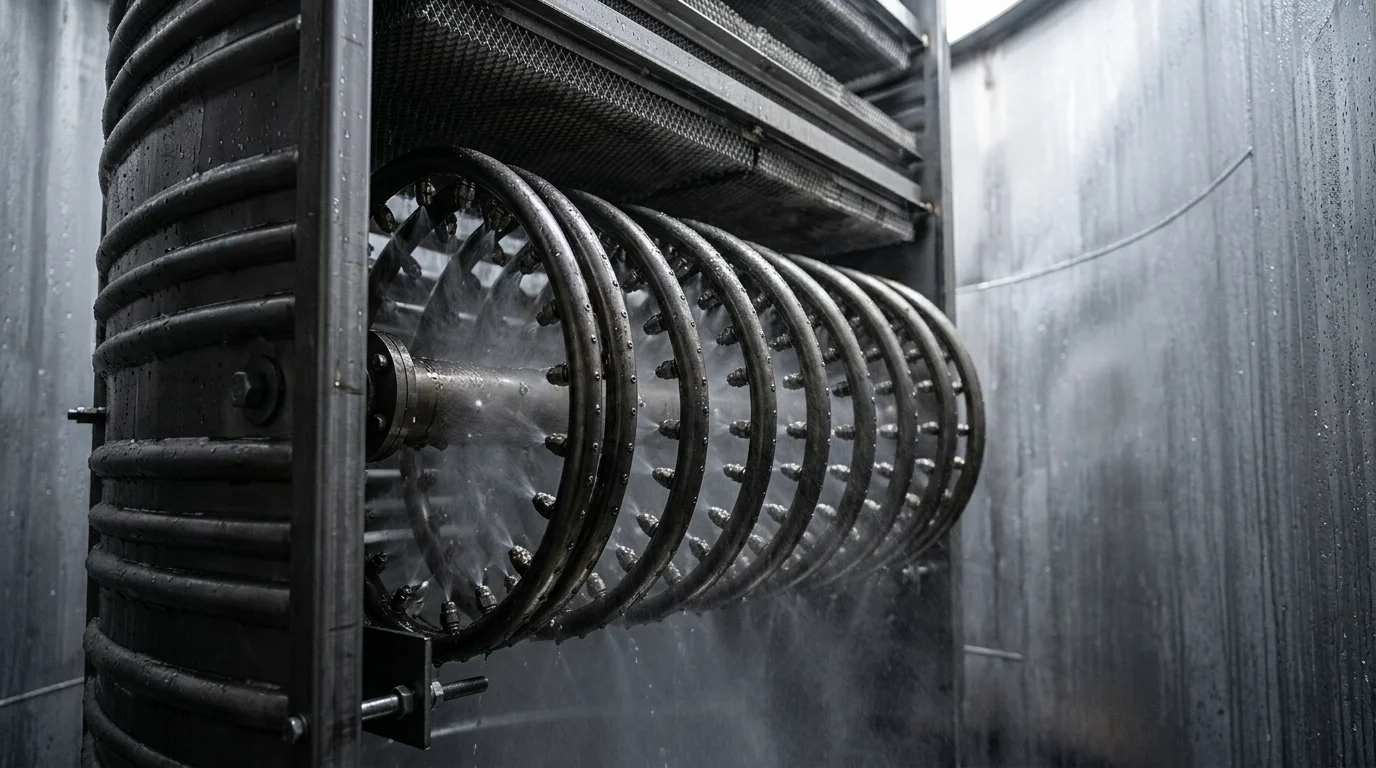
The maritime industry faces stringent environmental mandates, placing marine exhaust gas cleaning systems at the forefront of operational strategy. These systems, commonly known as scrubbers, mitigate sulfur oxide (SOx) emissions from vessel exhaust. However, the chemical processes required to neutralize these emissions create severely corrosive internal environments, particularly for heat exchange coils and internal piping.
SOx compliance and fuel strategy
The International Maritime Organization (IMO) enforces a global sulfur limit of 0.50% m/m, dropping to 0.10% m/m within designated Emission Control Areas (ECAs). To comply, shipowners must either transition to costlier Very Low Sulfur Fuel Oil (VLSFO) or continue burning Heavy Fuel Oil (HFO) in conjunction with an approved scrubber.
The economic viability of scrubbers hinges on the price spread between HFO and VLSFO. When the spread exceeds $100 to $150 per metric ton, the return on investment for scrubber installation accelerates, often paying for itself within two to three years. This compelling economic advantage ensures that scrubber systems remain a critical component of global fleet compliance strategies, provided the internal hardware can withstand the operational rigors.
Key scrubber types and terms
Scrubbers generally fall into three categories: open-loop, closed-loop, and hybrid systems. Open-loop variants utilize the natural alkalinity of seawater to neutralize exhaust gases, discharging the treated wash water back into the ocean. Closed-loop systems circulate treated freshwater combined with alkaline chemicals like sodium hydroxide, which is essential for vessels operating in zero-discharge zones. Hybrid systems offer the flexibility to switch between both modes depending on local port regulations.
Regardless of the operational type, the internal wash water frequently reaches a highly acidic pH of 2.5 to 3.0 as sulfur dioxide is converted into sulfuric acid. This harsh combination of acidic fluid, high exhaust temperatures, and constant fluid velocity demands exceptional corrosion resistance from internal cooling and heat exchange coils.
Material Selection Criteria for Scrubbers
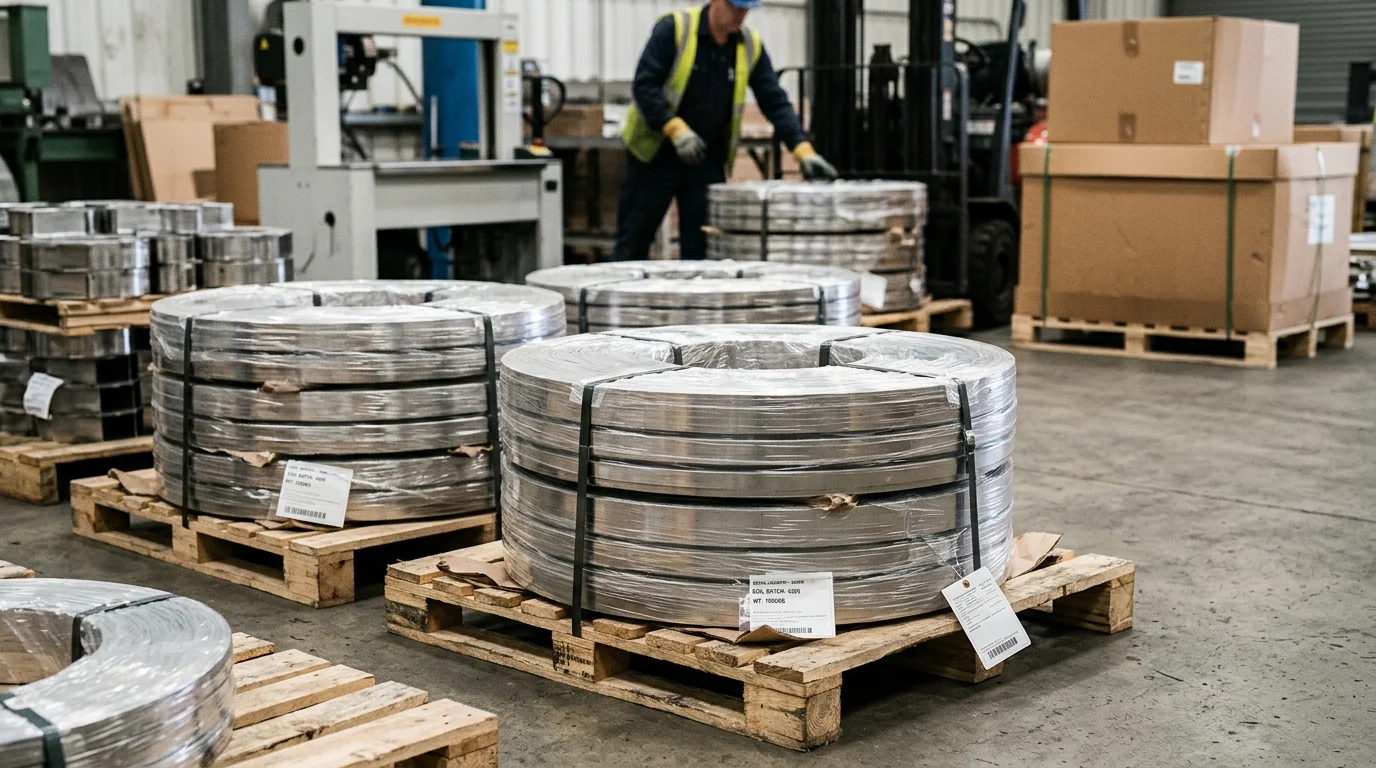
Selecting the correct metallurgy for scrubber coils dictates the long-term reliability and safety of the entire exhaust gas cleaning system. Premature material failure leads to catastrophic leaks, compromised cooling efficiency, and forced non-compliance during voyages.
Alloy performance in chloride, acidic condensate, and heat
Scrubber coils operate at the intersection of extreme thermal and chemical stress. Inlet exhaust gases routinely reach temperatures up to 450°C before the quenching process, while the cooling wash water operates around 50°C. When open-loop seawater is utilized, chloride concentrations easily exceed 20,000 ppm.
This high-chloride, elevated-temperature environment, combined with sulfuric acid condensate formed during the scrubbing process, creates prime conditions for pitting, crevice corrosion, and stress corrosion cracking. To survive these conditions, engineers mandate materials with a high Pitting Resistance Equivalent Number (PREN). A PREN of greater than 40 is the baseline requirement for most marine scrubber internals exposed to acidic wash water, ensuring the material can resist localized corrosion attacks.
Titanium vs alternative materials
While traditional stainless steels degrade rapidly in scrubber environments, high-performance alloys and titanium dominate modern specifications. Super duplex stainless steels offer a baseline solution, but extreme internal conditions often necessitate high-nickel alloys or titanium Grade 2.
| Material | PREN Range | Primary Advantage | Key Limitation |
|---|---|---|---|
| Super Duplex (UNS S32750) | 41 – 43 | Good strength, moderate cost | Susceptible to crevice corrosion at high temps |
| Alloy 59 / C-276 | > 65 | Exceptional resistance to sulfuric acid | High material cost, heavy weight |
| Titanium Grade 2 | N/A (Immune) | Total immunity to wet chlorides | Vulnerable to hydrogen embrittlement > 80°C |
Titanium is frequently selected for wash water cooling coils due to its virtually complete immunity to chloride-induced localized corrosion. However, careful thermal management is required. Titanium can suffer from hydrogen absorption and subsequent embrittlement if exposed to specific acidic conditions at temperatures exceeding 80°C, making precise system design and alloy selection critical to preventing catastrophic brittle failure.
Buyer Decision Framework
Procuring specialized scrubber coils is a high-stakes capital expenditure. Buyers must navigate a complex landscape of metallurgical constraints, regulatory approvals, and stringent shipbuilding schedules to ensure successful integration and avoid costly operational downtime.
Supplier qualification and evaluation steps
The evaluation of a coil supplier begins with their quality management and certification standing. Marine classification societies, such as DNV, ABS, or Lloyd’s Register, must formally approve the manufacturing and welding processes. Buyers should audit suppliers for rigorous quality control metrics, demanding a manufacturing defect rate of strictly below 0.1%.
Furthermore, complete material traceability is non-negotiable; suppliers must provide EN 10204 Type 3.1 or 3.2 material certificates to prove the chemical composition of the alloys used. Non-destructive testing (NDT) capabilities, including 100% radiographic or ultrasonic testing of all pressure-retaining welds, are mandatory to verify the structural integrity of the coils before they are dispatched to the shipyard.
Turning criteria into a final choice
Finalizing the procurement decision requires balancing upfront capital costs against lifecycle reliability and logistical realities. Lead times for exotic materials like titanium or high-nickel alloys typically range from 12 to 16 weeks, heavily influencing dry-dock scheduling. A delay in coil delivery can result in hundreds of thousands of dollars in lost vessel charter revenue.
Buyers must calculate the Total Cost of Ownership (TCO) over the standard 15-to-20-year operational lifespan of a commercial vessel. While titanium coils present a higher initial capital expenditure compared to super duplex alternatives, their extended lifespan and the elimination of mid-lifecycle replacement costs make them the financially prudent choice for long-term fleet operators. Integrating these factors ensures a compliant, efficient, and cost-effective scrubber installation.
Key Takeaways
- The most important conclusions and rationale for Marine Exhaust Gas Cleaning Systems (Scrubbers): Selecting Corrosion-Resistant Coils for SOx Reduction
- Specs, compliance, and risk checks worth validating before you commit
- Practical next steps and caveats readers can apply immediately
Frequently Asked Questions
What coil material is best for marine scrubber wash water service?
Titanium Grade 2 is often preferred for wash water cooling coils because it resists wet chloride attack. Verify temperature control below critical conditions and confirm suitability for your scrubber’s chemistry.
Why isn’t standard stainless steel suitable for scrubber coils?
Scrubber environments combine low pH, high chlorides, and heat. Standard stainless steels can pit, crack, or crevice-corrode quickly, causing leaks, downtime, and possible SOx compliance issues.
What minimum corrosion-resistance benchmark should buyers check?
For acidic scrubber wash water, specify alloys with PREN above 40 as a baseline. Then review actual operating temperature, chloride level, and flow conditions before finalizing the coil material.
When should super duplex be chosen instead of titanium?
Super duplex can work where temperatures and crevice risks are controlled and budget is tighter. Use it only after confirming the scrubber duty is within its corrosion limits for long-term service.
What should be verified with a scrubber coil supplier before purchase?
Ask for material certificates, marine application references, design temperature limits, corrosion test data, and fabrication quality controls. Also confirm delivery timing, class documentation, and compatibility with open-loop, closed-loop, or hybrid systems.
Post time: Jun-12-2026