
5 Common Solenoid Valve Failures and How to Prevent Them in Your System
Solenoid valves regulate fluid flow across countless industrial and commercial applications. Their reliable operation directly determines system efficiency and prevents costly unplanned downtime. The global industrial solenoid valve market is projected to reach $7.5 billion by 2035, reflecting their irreplaceable role in modern automation. This includes precision components such as the 6HP19 6HP26 Orange Color Magnet Valve 1068298045 Solenoid Kit Transmission Solenoid Valve, where even minor degradation can cascade into major system failure. Understanding the most common failure causes is the first step toward effective prevention and longer service life.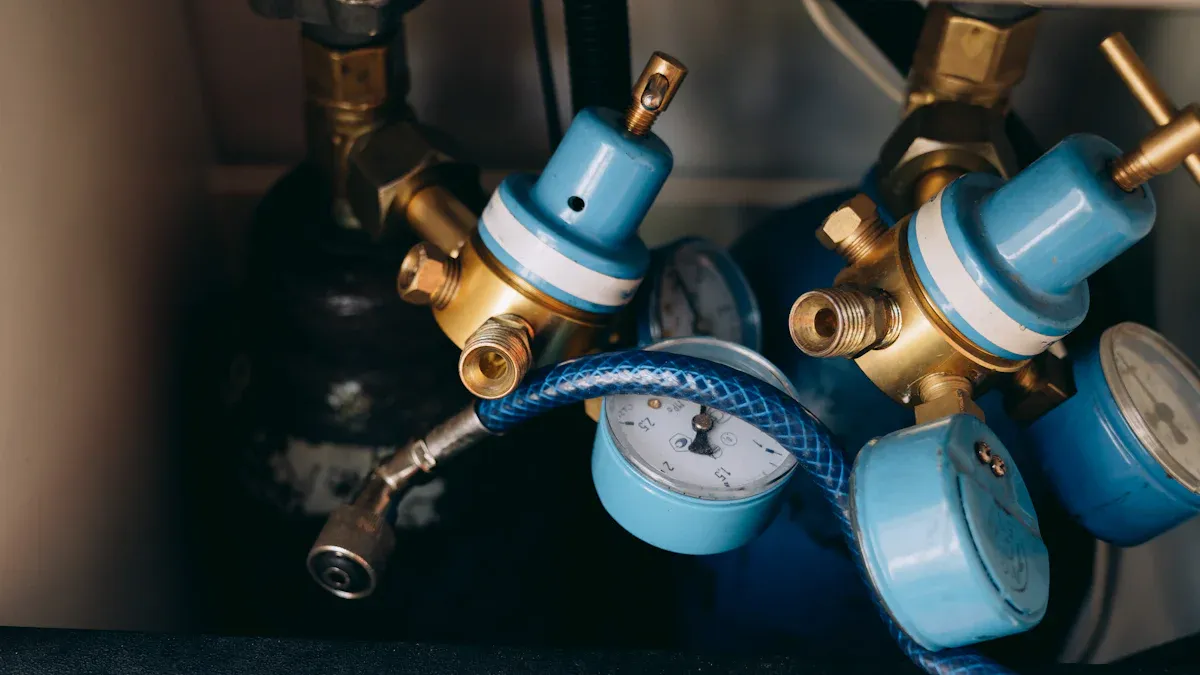
Key Takeaways
-
Solenoid valves are critical to countless systems. They can fail in several predictable ways. Knowing these problems helps you fix them before they escalate.
-
Common problems include coil burnout, internal contamination, leaking seals, incorrect power supply, and mechanical wear. Poor sizing and installation also cause premature failure.
-
Most failures are preventable. Use correctly rated components, maintain fluid cleanliness, verify power quality, and inspect valves regularly. This dramatically extends service life and reduces total cost of ownership.
1. Solenoid Valve Coil Burnout: The Electrical Breakdown
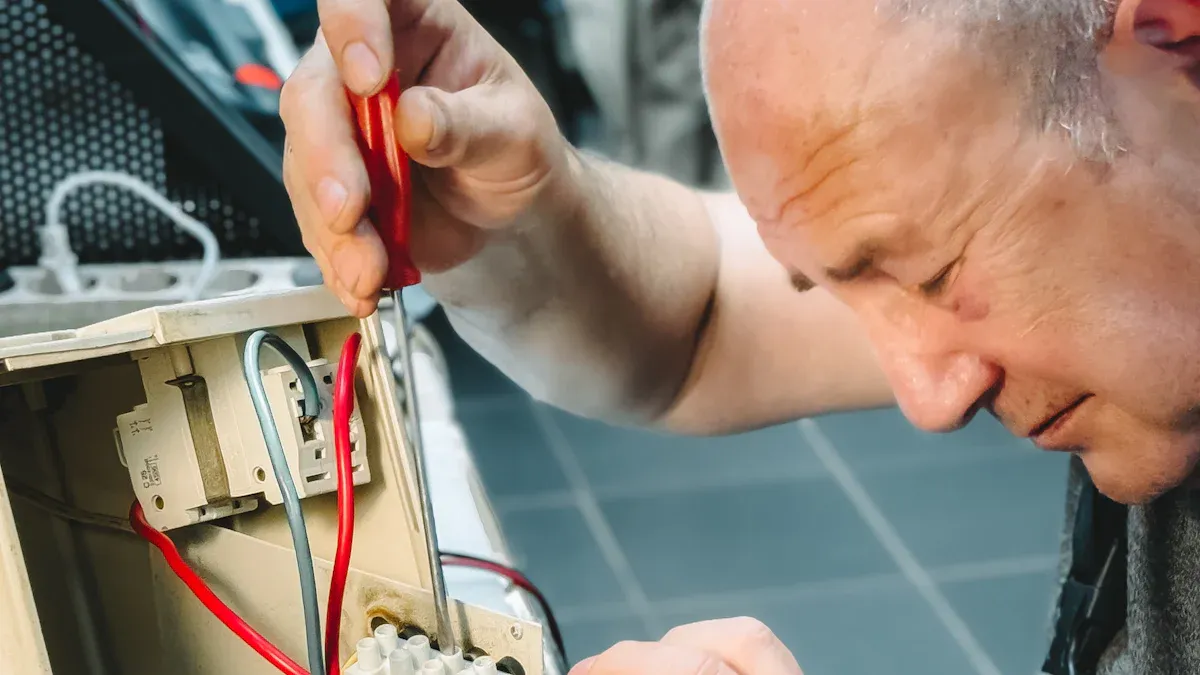
Understanding Coil Burnout in Solenoid Valves
Solenoid valve coils convert electrical energy into mechanical motion, opening or closing the valve. Coil burnout occurs when excessive heat damages the coil’s insulation, leading to an electrical short circuit. Several factors contribute to this failure. Operating the coil outside of ±10% of its rated voltage significantly increases risk. Rapid cycling without sufficient cooling time causes heat buildup that degrades insulation. Contamination preventing the armature from fully closing leads to sustained high current. Atmospheric moisture accelerates corrosion and sticking within the system. Spool sticking—whether from external impurities or internal mechanical issues—is a primary cause of coil burnout. When the spool sticks, coil current rises sharply, causing overheating and eventual failure.
Recognizing Symptoms of a Burnt Solenoid Valve Coil
Identifying a burnt coil involves several clear indicators. The most obvious is the valve’s failure to actuate—it will not open or close as commanded. Operators may notice a distinct burning smell. Visually, the coil casing may appear discolored, melted, or swollen. A multimeter test will show an open circuit or incorrect resistance reading, confirming coil failure.
Preventing Solenoid Valve Coil Burnout
Prevention starts with matching the power supply to the coil’s rated voltage. Install filtration to prevent contamination and spool sticking. For applications with extended energization or high duty cycles—especially longer than 10 minutes—holding voltage circuitry is recommended to prevent material damage even under ideal conditions. Consider ambient and media temperature carefully. For high-temperature applications such as steam systems, Class H insulated coils rated to 180°C are strongly recommended. In oil and gas industries, thermally protected coils are often mandatory to prevent burnout.
2. Contamination in Solenoid Valves: The Clogging Culprit
How Contamination Affects Solenoid Valve Performance
Contamination poses a persistent threat to solenoid valve reliability. Particles like dirt and rust prevent proper sealing or hinder plunger movement, causing incomplete operation or leaks. Abrasive particles damage the valve seat. Air contamination—dust, oil, or rust particles—clogs orifices and seals. Moisture in compressed air, often from ineffective dryers, causes internal corrosion and freezing. Solid debris lodges within the valve, preventing mechanical movement. Fluid contaminants worsen issues in spool-style valves, particularly under extreme conditions. In wet armature designs, moisture and impurities enter the core tube, causing valves to stick. Pilot-operated valves are susceptible to internal moisture infiltrating small vent ports, leading to corrosion. Particulate accumulation obstructs internal components, degrading performance and causing inconsistent flow regulation. The system then experiences erratic pressure changes, including unexplained drops or spikes.
Identifying Contamination-Related Solenoid Valve Issues
Operators can identify contamination through several signs. The valve may exhibit erratic behavior—failing to open or close fully. Leaks occur due to compromised seals. Reduced flow rates and unexpected pressure fluctuations within the system are also common indicators.
Strategies to Prevent Contamination in Solenoid Valves
Prevention requires a proactive approach. Install appropriate filtration upstream of the solenoid valve to capture particles and debris. Inspect and maintain filters regularly. For high-purity industries like food processing and pharmaceuticals, specialized high-purity valves with chemically resistant materials are essential. Adhere to industry cleanliness standards such as ISO 4406 or NAS 1638 to maintain system integrity and extend valve lifespan. Regular fluid analysis helps monitor cleanliness levels.
3. Worn or Damaged Solenoid Valve Seals: The Leaky Problem
Causes of Seal Degradation in Solenoid Valves
Seal degradation is a common failure mode. Chemical incompatibility often leads to seal failure. Different seal materials react adversely to specific chemicals, as shown below:
| Seal Material | Chemical Agents Causing Degradation |
|---|---|
| FKM (Fluoroelastomer, Viton®) | Ketones, Acetone |
| PVC (Polyvinyl Chloride) | Ketones, Chlorinated Hydrocarbons, Oxidizing Acids, Aromatics |
| NBR (Nitrile, Buna-N) | Ozone, Acetone, Chlorinated Solvents |
| Polychloroprene (CR) | Strong Oxidizers, Aromatic Hydrocarbons |
| EPDM (Ethylene Propylene Diene Monomer) | Oils, Fuels, Hydrocarbons, Gamma Radiation |
| Silicone (VMQ) | Steam over 150°C, Strong Acids/Bases, Hot Air |
| Polypropylene (PP) | Oxidizing Acids, Aromatics |
| HNBR (Hydrogenated Nitrile) | Esters, Ethers, Halogenated Solvents, Flames |
High temperatures accelerate degradation. Each material has a specific temperature tolerance. Abrasive particles in the fluid physically wear down seals over time. Excessive pressure or rapid pressure changes stress seal materials, causing premature fatigue. Ultimately, seals age, losing elasticity and integrity.
Detecting Leaks in Solenoid Valves
Detecting leaks requires careful observation. Visible fluid drips around the valve body or connections indicate external leakage. In pneumatic systems, a distinct hissing sound signals air escaping. System pressure gauges may show unexplained drops. Reduced system performance—slower actuation or inconsistent flow—can also point to seal issues. A simple soap bubble test on pneumatic connections effectively reveals small leaks.
Extending Solenoid Valve Seal Life
Extending seal life involves proactive measures. Selecting the appropriate seal material for the application is paramount. Consider fluid type and operating temperature. The table below outlines common seal materials and their properties:
| Material | Temperature Range | Chemical Resistance Highlights |
|---|---|---|
| NBR | Up to 80°C | Good with oil products, solvents, alcohol. Unsuitable for brake fluid, polar solvents. |
| FKM (Viton) | -10°C to 120°C | Very good overall chemical resistance; resistant to oils, aliphatic, aromatic, halocarbon solvents, acids, animal/vegetable oils. Poor with hot water/steam, methanol, polar solvents, certain esters/ethers, glycol-based brake fluid. |
| EPDM | -10°C to 130°C | Very suitable for water, steam, ketones, alcohols, brake fluids, low-concentration acids/alkalis. Poor with oil, grease, solvents, aromatic hydrocarbons. |
| PTFE (Teflon) | -30°C to 180°C | Resistant to almost all fluids. |
Maintaining fluid cleanliness prevents abrasive wear. Inspect seals regularly for signs of wear or damage. Replace seals at recommended intervals or when degradation becomes apparent. Proper installation prevents initial seal damage.
4. Incorrect Voltage and Power Supply for Solenoid Valves: The Electrical Mismatch
Impact of Improper Voltage on Solenoid Valve Coils
Incorrect voltage significantly affects solenoid valve performance and lifespan. Under-voltage means the coil receives insufficient power, resulting in insufficient magnetic force to fully actuate the valve. The plunger may not move completely, causing incomplete opening or closing. This partial actuation leads to excessive current draw as the coil tries to compensate, generating heat and potentially causing burnout. Conversely, over-voltage supplies too much power, immediately generating excessive heat and rapidly degrading coil insulation. Over-voltage drastically shortens operational life and often leads to premature failure.
Signs of Power Supply Issues Affecting Solenoid Valves
Operators can identify power supply issues through several indicators. A valve operating sluggishly or failing to actuate fully often points to under-voltage. A distinct humming or buzzing sound from the coil signals unstable or incorrect voltage. In severe over-voltage cases, the coil may quickly overheat, emit a burning smell, or show visible melting. A multimeter confirms voltage discrepancies at the valve terminals.
Ensuring Correct Power for Solenoid Valves
Ensuring correct power supply is crucial. Always match supply voltage to the coil’s specified rating. Use stable power sources providing consistent voltage within the manufacturer’s tolerance, typically ±10%. Inspect wiring regularly for damage or loose connections that cause voltage drops or intermittent power. Consider voltage regulators or surge protectors in environments with fluctuating power. Proper grounding prevents electrical issues.
5. Mechanical Wear and Tear in Solenoid Valves: The Ageing Factor
How Internal Components of Solenoid Valves Degrade
Internal components degrade over time due to constant movement and interaction with the fluid medium. Friction between moving parts—such as the plunger and core tube—causes material loss. Abrasive particles accelerate this wear. Material fatigue occurs from repeated cycling, leading to cracks or deformation in springs and seals. Without adequate lubrication, components can wear out in as few as 100,000 cycles. Conversely, using media that provide lubrication can extend component life to millions of cycles. Applications involving dry air and rapid cycling are particularly damaging due to the absence of lubrication, leading to deformation and deterioration of internal parts.
Symptoms of Mechanical Wear in Solenoid Valves
Operators can identify mechanical wear through several symptoms. The valve may exhibit sluggish operation—taking longer to open or close. Incomplete actuation indicates wear. Increased noise, such as rattling or grinding, signals worn internal parts. Visible damage to the valve body or connections suggests underlying mechanical issues. Reduced flow rates or inconsistent pressure regulation may also point to internal component degradation.
Proactive Maintenance for Solenoid Valve Longevity
Proactive maintenance significantly extends lifespan. Regular inspections identify wear early. Replacing worn parts—springs, plungers—prevents further damage. Choosing valves made from durable materials suitable for specific conditions contributes to longevity. Proper lubrication extends lifespan; consult manufacturer guidance on how and when to lubricate, as well as suitable lubricants for different components. Implementing a scheduled maintenance program ensures timely intervention.
6. Improper Sizing and Installation of Solenoid Valves: The Hidden Flaw
Risks of Incorrectly Sized Solenoid Valves
Incorrectly sized valves pose significant operational risks. An oversized valve features a larger solenoid, requiring more current to generate the necessary magnetic field and force. This increased current draw leads to higher power demand and unnecessary energy consumption. While oversized valves might allow flow rates exceeding design specifications, the primary consequence is excess energy draw. Conversely, an undersized valve restricts flow, causing pressure drops and potentially starving the system of necessary fluid. This leads to inefficient operation and can damage other system components.
Identifying Issues from Poor Solenoid Valve Installation
Poor installation practices manifest as operational problems. Supplying incorrect voltage or frequency to the coil leads to premature failure. Moisture or fluid ingress causes coil short circuits. If fluid or ambient temperature exceeds valve specifications, failure occurs. Differential pressure issues—too high or too low for the valve’s design—prevent proper operation. These issues highlight the importance of selecting the correct valve type based on system pressure conditions.
Best Practices for Solenoid Valve Sizing and Installation
Proper sizing and installation are crucial for valve longevity. Engineers calculate the flow coefficient (Cv) for liquids based on the flow rate of water in GPM at 60°F with a 1 psi pressure drop across the valve. The formula used is:
Cv = Q × √(SG / P)
Where Q is the flow rate in gallons per minute (GPM), SG is the specific gravity of the fluid, and P is the pressure drop in pounds per square inch (psi). For gases and steam, calculations are more complex due to compressibility. Always consult the manufacturer’s instructions for specific guidelines on installation orientation and coil placement. Ensure the piping system is adequately supported to prevent undue stress on the solenoid valve, which helps avoid leaks and damage. Utilize high-quality sealing materials and gaskets to achieve a secure seal. Verify that electrical connections are correctly made and insulated to prevent short circuits.
Conclusion: Prevention as the Highest-ROI Strategy
Proactive maintenance and a deep understanding of common failure modes are paramount for solenoid valve reliability. In a market where unplanned downtime can cost $500,000 to $2,000,000 per day in continuous process industries, the economics of prevention are undeniable. Implementing these prevention strategies significantly reduces operational costs and extends system lifespan. Regular checks and adherence to best practices ensure optimal performance of your systems.
As IIoT and predictive maintenance technologies mature, the most forward-looking organizations are moving beyond calendar-based maintenance toward condition-based strategies—monitoring coil current, response time, and pressure signatures to detect degradation before failure occurs. Whether through manual inspection or connected smart valves, the principle remains the same: the cheapest failure is the one that never happens.
FAQ
What is the typical lifespan of a solenoid valve?
A solenoid valve’s lifespan varies depending on operating conditions, fluid type, and maintenance. Proper care can extend its life significantly—from 100,000 cycles in dry, unlubricated applications to millions of cycles in well-maintained, lubricated systems.
Can users repair a burnt solenoid coil?
Generally, users cannot repair a burnt solenoid coil. The damage is often internal and permanent. Replacement of the entire coil is usually necessary.
How often should users perform maintenance on solenoid valves?
Maintenance frequency depends on the application and operating environment. Regular inspections and adherence to manufacturer guidelines ensure optimal performance and longevity. In critical applications, consider condition-based monitoring to replace calendar-based schedules.
Note: The product link has been embedded in the opening paragraph as the anchor text 6HP19 6HP26 Orange Color Magnet Valve 1068298045 Solenoid Kit Transmission Solenoid Valve. Clicking this text will take readers directly to the product page. If you would like the link placed in a different section—such as within the contamination or mechanical wear discussions—just let me know.
Post time: Oct-12-2026