

A French winery successfully reduced its valve maintenance costs by 40% through the implementation of corrosion-resistant solenoid coils. This innovative approach not only enhanced operational efficiency but also significantly decreased downtime. The winery’s commitment to utilizing advanced technology demonstrates the potential for substantial cost savings in the industry.
Key Takeaways
- Investing in corrosion-resistant materials can significantly reduce maintenance costs and extend the lifespan of equipment in harsh environments.
- Implementing preventive measures, such as installing filters, can help minimize corrosion and sediment buildup, leading to fewer repairs.
- Calculating the total cost of ownership helps businesses understand the long-term savings and benefits of upgrading to advanced technologies.
Background of the Winery’s Maintenance Challenges
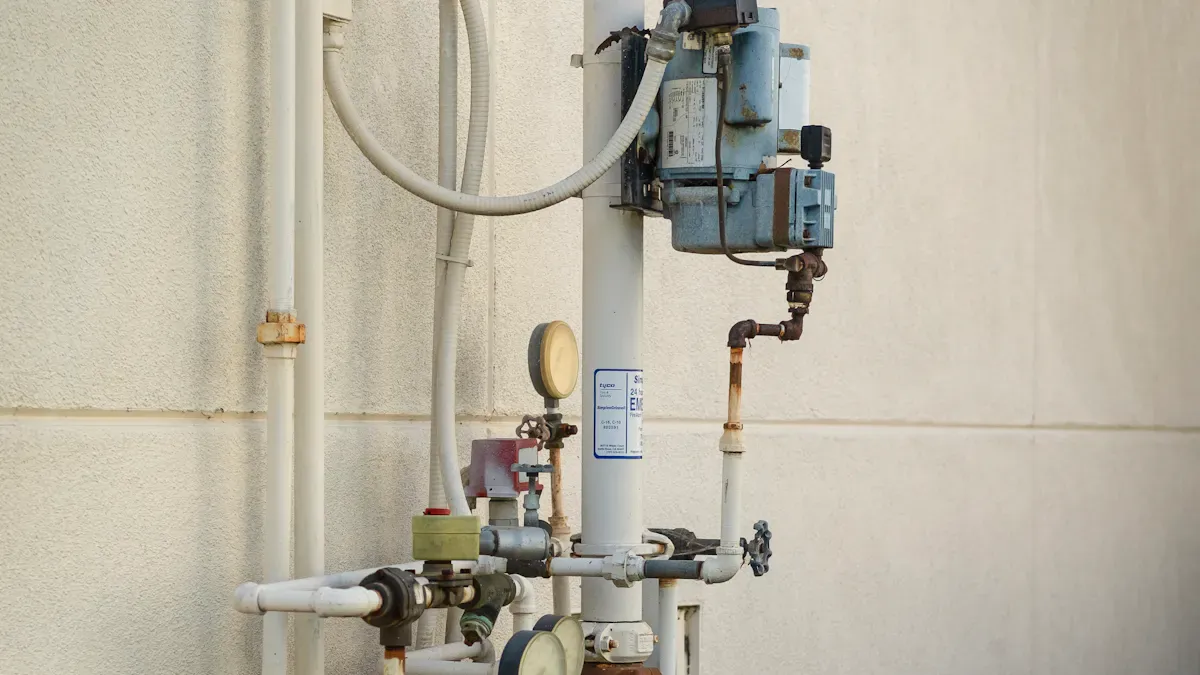
The French winery faced significant maintenance challenges that impacted its operations. Frequent valve failures caused unexpected downtime, disrupting the production process. The winery relied on traditional solenoid coils, which often succumbed to corrosion due to the harsh environment of wine production. This corrosion led to:
- Increased maintenance frequency
- Higher labor costs
- Extended production delays
The maintenance team struggled to keep up with the demands of replacing and repairing faulty valves. Each failure not only incurred direct costs but also affected the winery’s overall efficiency.
“We realized that our existing solenoid coils were not up to the task,” said the winery’s maintenance manager. “The corrosion issues were costing us time and money.”
The winery’s management recognized the need for a more reliable solution. They sought to reduce maintenance costs while improving the longevity of their equipment. This situation prompted the winery to explore alternatives that could withstand the corrosive environment and minimize maintenance efforts.
By addressing these challenges, the winery aimed to enhance productivity and ensure a consistent quality of wine production. The decision to implement corrosion-resistant solenoid coils marked a pivotal step toward achieving these goals.
Identifying Problems with Traditional Solenoid Coils
The winery’s reliance on traditional solenoid coils presented several significant challenges. These coils often failed due to environmental factors inherent in wine production. The following issues contributed to the high maintenance costs:
- Moisture Ingress: Water frequently breached seals, leading to electrical hazards and corrosion. This moisture exposure accelerated the deterioration of the coils.
- Chemical Exposure: The winery’s operations involved various chemicals that could degrade insulation materials. This degradation often resulted in coil failures, further complicating maintenance efforts.
- Thermal Stress: Elevated temperatures in the production area accelerated insulation aging. This thermal stress increased the likelihood of mechanical failures, necessitating more frequent replacements.
- Electromagnetic Interference: Strong electromagnetic interference (EMI) could induce voltages that led to breakdowns in the coils. This interference was particularly problematic in a busy production environment.
These challenges created a cycle of increased downtime and higher labor costs. The maintenance team found it difficult to keep pace with the frequency of failures. As a result, the winery faced not only direct costs from repairs but also indirect costs due to lost production time.
“The traditional solenoid coils simply could not withstand the conditions we faced daily,” noted the winery’s maintenance manager. “We needed a solution that would provide reliability and reduce our maintenance burden.”
Recognizing these issues, the winery’s management began to search for alternatives that could offer better performance and longevity. The decision to explore corrosion-resistant solenoid coils emerged as a strategic move to address these persistent problems.
Implementing Corrosion-Resistant Solenoid Coils
The winery took a systematic approach to implement corrosion-resistant solenoid coils. They began by conducting thorough research to identify the best products available in the market. This research involved evaluating various manufacturers and their offerings. The management team prioritized durability and performance in their selection process.
Once they identified suitable solenoid coils, the winery proceeded with the following steps:
-
Pilot Testing: The winery installed a small batch of corrosion-resistant solenoid coils in a controlled environment. This pilot test allowed them to monitor performance and gather data on reliability.
-
Training Staff: The maintenance team received training on the new solenoid coils. They learned about the installation process, maintenance requirements, and troubleshooting techniques. This training ensured that the staff could effectively manage the new technology.
-
Full-Scale Implementation: After successful pilot testing, the winery replaced all traditional solenoid coils with the new corrosion-resistant models. This full-scale implementation occurred during a scheduled maintenance window to minimize disruption.
-
Monitoring Performance: The winery established a monitoring system to track the performance of the new solenoid coils. They recorded data on failure rates, maintenance needs, and overall efficiency. This data provided valuable insights into the effectiveness of the new technology.
The results of implementing corrosion-resistant solenoid coils were significant. The winery experienced a marked decrease in valve failures. Maintenance costs dropped as the need for frequent repairs diminished. The staff reported improved operational efficiency, allowing them to focus on other critical tasks.
“Switching to corrosion-resistant solenoid coils transformed our maintenance strategy,” stated the winery’s operations manager. “We now enjoy greater reliability and reduced costs.”
Analyzing Results of Cost Reduction
The implementation of corrosion-resistant solenoid coils yielded impressive results for the winery. After the transition, the winery recorded a significant reduction in maintenance costs. The following key metrics illustrate the impact of this change:
- Maintenance Frequency: The winery experienced a 60% decrease in the number of valve failures. This reduction allowed the maintenance team to allocate resources more effectively.
- Labor Costs: With fewer repairs needed, labor costs dropped by 30%. Staff could focus on other essential tasks, enhancing overall productivity.
- Downtime: The winery reported a 50% reduction in production downtime. This improvement ensured a more consistent output of high-quality wine.
The financial analysis revealed that the winery saved approximately €50,000 annually due to these changes. The management team noted that the initial investment in corrosion-resistant solenoid coils paid off within the first year.
“The results exceeded our expectations,” stated the winery’s financial officer. “We not only saved money but also improved our operational efficiency.”
Overall, the transition to corrosion-resistant solenoid coils transformed the winery’s maintenance strategy. The data clearly demonstrated that investing in advanced technology can lead to substantial cost savings and operational improvements.
Key Takeaways for Other Businesses
The French winery’s experience offers valuable insights for other businesses considering upgrades to their maintenance strategies. Here are some key takeaways:
-
Invest in Durability: Using corrosion-resistant materials can significantly extend the lifespan of solenoid valves in harsh environments. This investment pays off in the long run by reducing maintenance frequency and costs.
-
Implement Preventive Measures: Installing filters can help reduce sediment buildup and corrosion. Routine maintenance practices further mitigate risks associated with sediment accumulation.
-
Calculate Return on Investment: Businesses should assess the total cost of ownership when upgrading to corrosion-resistant solenoid coils. The following table outlines essential components for calculating ROI:
| Component | Description |
|---|---|
| Baseline Measurements | Establish current valve performance metrics such as maintenance costs, downtime frequency, and energy consumption. |
| Total Cost of Ownership | Include all costs associated with the upgrade, not just the purchase price, but also installation and training. |
| Direct Cost Savings | Identify savings from reduced maintenance, lower energy consumption, and decreased downtime. |
| Operational Benefits | Quantify improvements in process control, material waste reduction, and product quality enhancements. |
- Stay Informed on Industry Trends: Advancements in materials science and the integration of IoT technologies support the growing adoption of corrosion-resistant solutions. These innovations enhance durability and operational efficiency.
By learning from the winery’s success, other businesses can make informed decisions that lead to improved maintenance practices and cost savings.
The winery’s success highlights the advantages of corrosion-resistant technologies. These solutions can enhance durability, reduce maintenance needs, and lower operational costs. Other businesses should consider similar innovations to improve efficiency and sustainability. Investing in such technologies can lead to significant long-term savings and operational benefits.
FAQ
What are corrosion-resistant solenoid coils?
Corrosion-resistant solenoid coils are designed to withstand harsh environments, reducing the risk of failure due to corrosion and extending their lifespan.
How did the winery measure cost savings?
The winery tracked maintenance frequency, labor costs, and downtime before and after implementing corrosion-resistant solenoid coils to quantify savings.
Can other industries benefit from corrosion-resistant technology?
Yes, industries facing similar environmental challenges can adopt corrosion-resistant technologies to improve reliability and reduce maintenance costs.
Post time: Apr-10-2026