
Solenoid Coils Replacement Guide for Legacy European OEMs
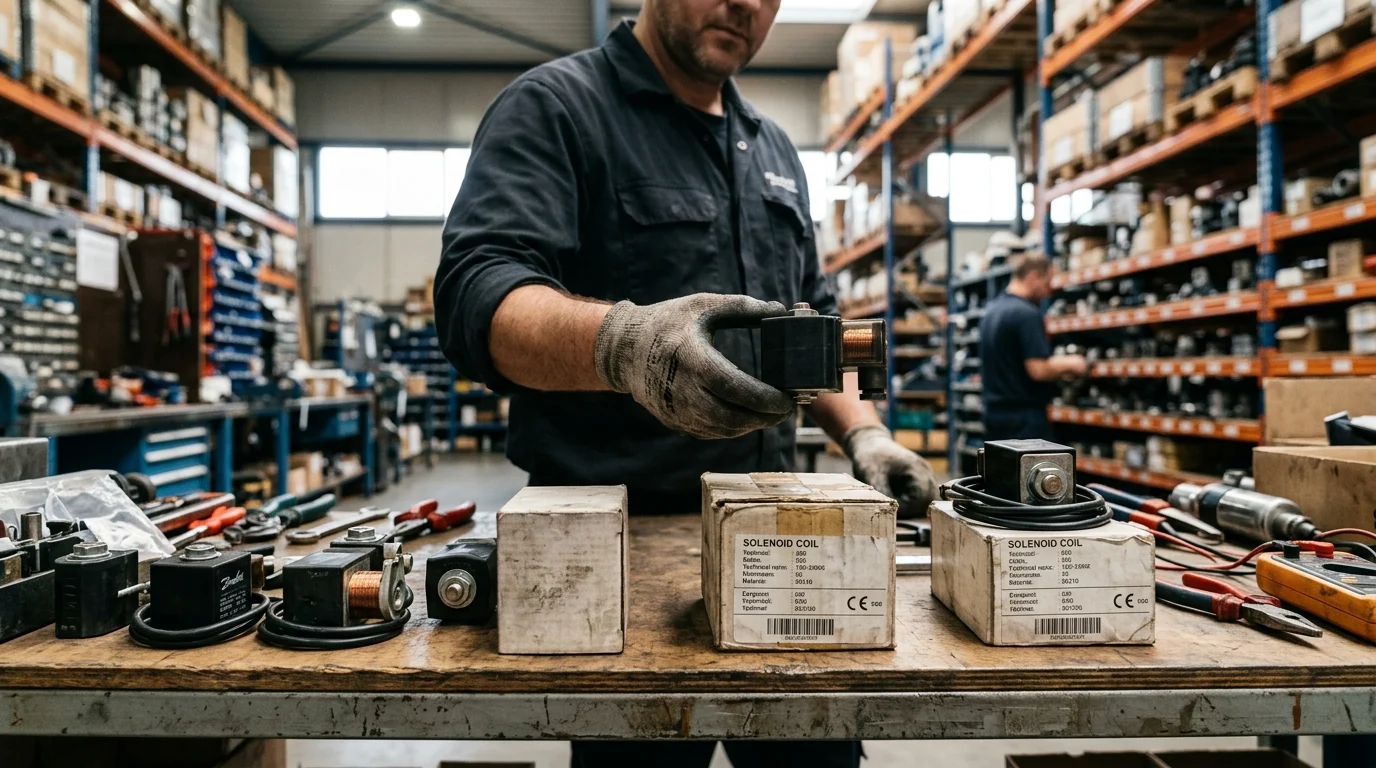
Why Solenoid Coil Replacement Programs Matter for Legacy European OEMs
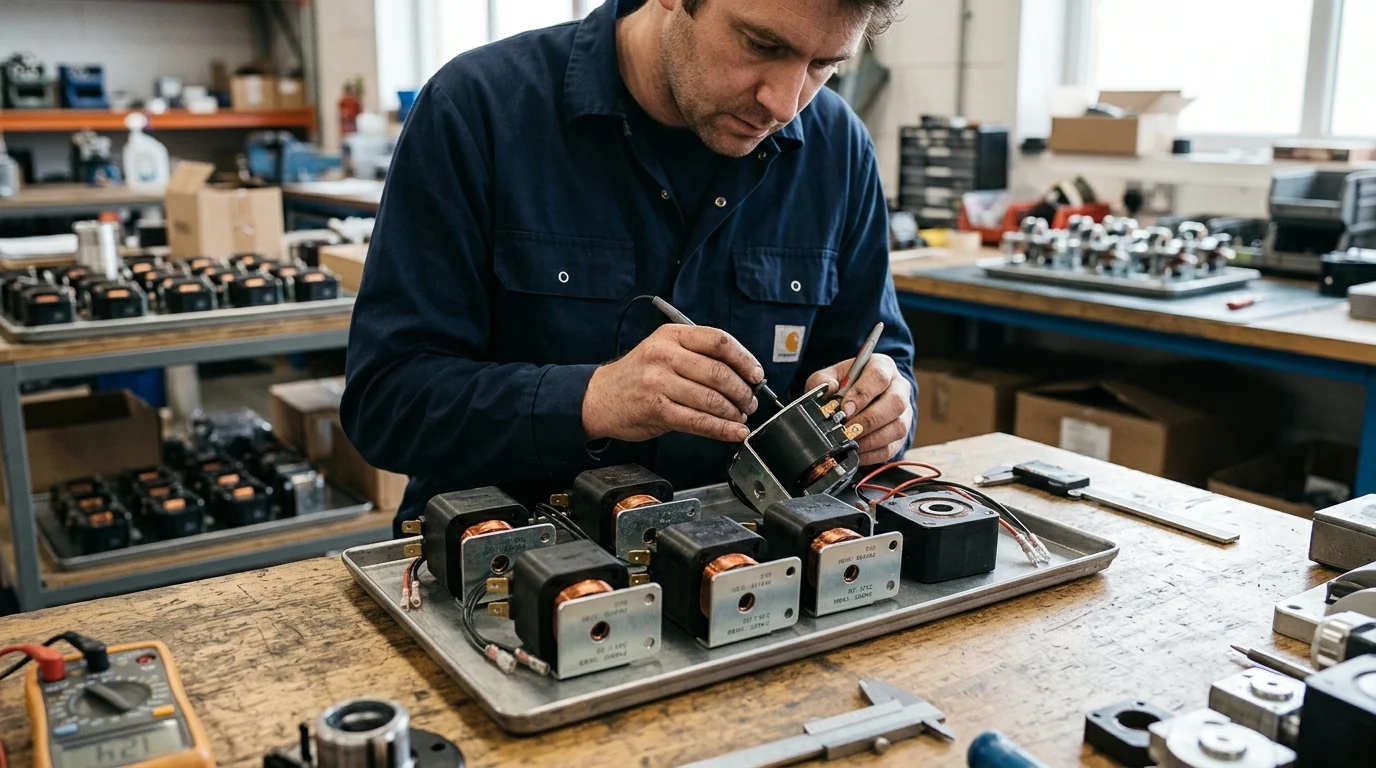
European industrial and automotive sectors rely heavily on decades-old legacy machinery. For B2B wholesale buyers, maintaining this equipment requires a steady supply of replacement components. Solenoid coils are frequently replaced items, subjected to continuous electrical and thermal stress over their lifespan.
Robust replacement programs are essential to prevent costly downtime. When original equipment manufacturers (OEMs) phase out older models, securing compatible aftermarket parts becomes a critical procurement objective. A well-structured program ensures legacy systems—from engineering machinery to automotive transmissions—function efficiently without capital-intensive overhauls.
Aftermarket demand drivers
The primary driver for aftermarket solenoid coils is the natural degradation of copper windings and insulation under high-temperature, high-cycle conditions. As legacy equipment ages, electrical component failures increase. End-users demand quick, cost-effective replacements to maintain production, driving continuous wholesale demand for reliable alternatives.
Procurement risks for discontinued parts
When OEMs discontinue legacy lines, B2B buyers face significant procurement risks, including severe stockouts and inflated pricing from specialized vendors. Relying solely on dwindling OEM stock causes unacceptable lead times, threatening service level agreements and compromising supply chain stability.
How distributors protect service continuity
To safeguard service continuity, distributors build relationships with specialized aftermarket manufacturers capable of reverse-engineering high-quality equivalents. By stocking a strategic buffer, distributors shield clients from supply shocks, ensuring critical infrastructure remains operational despite OEM part obsolescence.
What Buyers Replace in Legacy European OEM Solenoid Coil Applications
For legacy machinery, B2B buyers must accurately identify which components require replacement to optimize maintenance budgets. Solenoid systems are prevalent across heavy-duty applications, and understanding failure points helps procurement teams source efficiently.
Rather than replacing entire valve systems, targeted procurement focuses on the electrical components that actually fail. This reduces unit costs and minimizes installation labor, making it highly attractive to maintenance, repair, and overhaul (MRO) providers.
Replacement coils vs full assemblies
Usually, the mechanical valve body remains intact while the electrical coil burns out from voltage spikes or thermal overload. Buyers prefer sourcing replacement coils over full assemblies to reduce costs. Platforms like Aliexpress and specialized B2B channels frequently list standalone coils designed to drop into existing OEM armatures.
Typical application categories
Legacy European equipment utilizes solenoid coils across diverse applications. Categories include transmission solenoid valves in automotive systems, drain valves in fluid management, steam valves for industrial heating, and pulse valves in heavy engineering machinery and dust collectors.
Related parts sourced together
Wholesale buyers rarely purchase coils in isolation. To provide comprehensive repair kits, procurement teams source related components simultaneously. These include valve islands, mechanical actuators, pilot components, pulse controllers, dual-power modules, junction boxes, and positioners, ensuring all potential electrical failure points are addressed.
Technical Specifications to Verify Before Sourcing Replacement Solenoid Coils
Sourcing aftermarket replacements requires stringent technical validation to ensure seamless integration with legacy systems. Specification mismatches can cause sluggish valve response, excessive heat, or catastrophic failure. Procurement engineers must meticulously evaluate electrical and physical parameters before approving suppliers.
Cross-referencing OEM data sheets with aftermarket specifications is standard practice. Buyers must confirm the replacement part fits physically and matches the exact magnetic force requirements to actuate the legacy valve under peak operational pressures.
Electrical parameters
Key electrical parameters include operating voltage (e.g., 12V DC, 24V DC, 230V AC), power consumption, and resistance. Buyers must also verify the duty cycle rating (such as 100% ED for continuous operation) to ensure the coil will not overheat during extended use.
Mechanical fitment
Physical dimensions are critical for a proper fit over the valve armature. Essential measurements include internal hole diameter, overall height, and the specific mounting mechanism or retaining nut thread.
| Specification | Typical Legacy Standard | Importance for Fitment |
|---|---|---|
| Internal Diameter | 9mm, 13mm, 16mm | Dictates fit over the armature tube |
| Overall Height | 29mm to 40mm+ | Ensures clearance within equipment housing |
| Connection Type | DIN 43650 Form A/B | Determines wiring harness compatibility |
Performance and durability
Durability is dictated by insulation class (commonly Class F or H, withstanding up to 180°C) and ingress protection (IP) rating. Coils for engineering machinery usually require an IP65 or IP67 rating to resist dust, water, and oil.
Replacement cross-reference data
Accurate procurement relies on comprehensive cross-reference databases. Buyers must map aftermarket part numbers directly to legacy OEM references to guarantee interchangeability, preventing costly returns and equipment damage from incorrect selection.
How B2B Buyers Evaluate Solenoid Coil Suppliers
Selecting the right manufacturing partner is a high-stakes decision for B2B importers. Wholesale buyers require suppliers offering competitive pricing, stringent quality management, and scalable production. Evaluation goes far beyond simple price comparisons.
Procurement teams conduct thorough vetting, including remote audits, documentation reviews, and sample testing. The goal is partnering with manufacturers who deeply understand the specific tolerances and material requirements of legacy European components.
Factory and quality system review
A foundational step is auditing the supplier’s quality management system. Buyers look for ISO 9001 certifications as a baseline, and IATF 16949 for automotive transmission applications, ensuring rigorous defect prevention and process control.
Value of multi-category supply
Suppliers manufacturing a broad spectrum of related parts—such as valve islands, actuators, and controllers—offer significant value. Consolidating purchases simplifies logistics and communication. Buyers often use platforms like Aliexpress for initial vendor discovery before transitioning to direct factory contracts.
Sample approval process
Before committing to bulk orders, buyers require physical samples. These prototypes undergo rigorous bench testing to verify magnetic pull force, thermal resistance under continuous load, and exact dimensional tolerances against original legacy parts.
Supplier capability profile
A strong supplier capability profile includes in-house R&D, custom copper winding, and advanced epoxy encapsulation machinery. Modifying existing designs to meet specific legacy requirements is a major competitive advantage for specialized aftermarket manufacturers.
Compliance, Quality, and Packaging Requirements for Solenoid Coil Procurement
Importing industrial components into European markets requires strict adherence to compliance and safety standards. B2B buyers must ensure every batch of solenoid coils meets regulatory requirements to avoid customs delays, legal penalties, and safety hazards.
Proper packaging is also essential to protect the structural integrity of coils during international transit. Fine copper windings and epoxy housings are susceptible to impact damage and moisture, necessitating robust logistics protocols.
Required quality controls
Suppliers must implement comprehensive in-line quality controls, including automated resistance testing, high-potential (hi-pot) dielectric strength testing, and visual inspections for epoxy molding defects. Batch testing reports should accompany every shipment.
Market-specific compliance checks
For the European market, CE marking is mandatory to certify electrical safety. Suppliers must also provide RoHS and REACH declarations, confirming manufacturing materials do not contain prohibited heavy metals or toxic chemicals.
Packaging and shipment traceability
Coils must be packaged to prevent physical damage, typically using customized blister trays or partitioned heavy-duty cartons. Every package should feature clear barcode labels, part numbers, and batch codes to ensure full supply chain traceability.
Managing MOQ, Pricing, and Logistics for Solenoid Coils
Balancing inventory costs with market availability is a core challenge for wholesale distributors. Managing Minimum Order Quantities (MOQs), negotiating pricing, and planning international logistics require a strategic approach to maintain healthy profit margins.
Fluctuations in raw material costs and global shipping rates directly impact the landed cost of aftermarket components. Procurement teams must remain agile, utilizing scheduled ocean freight for baseline inventory and expedited shipping for critical shortages.
MOQ and assortment strategy
Manufacturers impose MOQs to optimize production runs. Buyers negotiate assortment strategies, pooling different coil variations into a single production order to meet MOQ thresholds without overstocking slow-moving SKUs. Buyers exploring niche variations may initially source via Aliexpress to test market demand before committing to factory MOQs.
Pricing and margin drivers
Wholesale pricing is heavily influenced by the global cost of copper wire and specialized epoxy resins. Buyers must monitor these commodity markets and negotiate pricing locks or sliding scale contracts to protect downstream distribution margins.
Lead time and shipping planning
Standard production lead times for bulk solenoid coils range from 30 to 45 days. Distributors utilize sea freight for scheduled replenishments to keep freight costs low, requiring accurate demand forecasting to prevent stockouts during transit.
Urgent orders vs scheduled buys
Distributors must differentiate between standard scheduled buys and urgent “machine-down” orders. Maintaining domestic safety stock of high-turnover legacy coils allows distributors to fulfill urgent MRO requests immediately, commanding a premium price for rapid availability.
Decision Process for Selecting Replacement Solenoid Coils
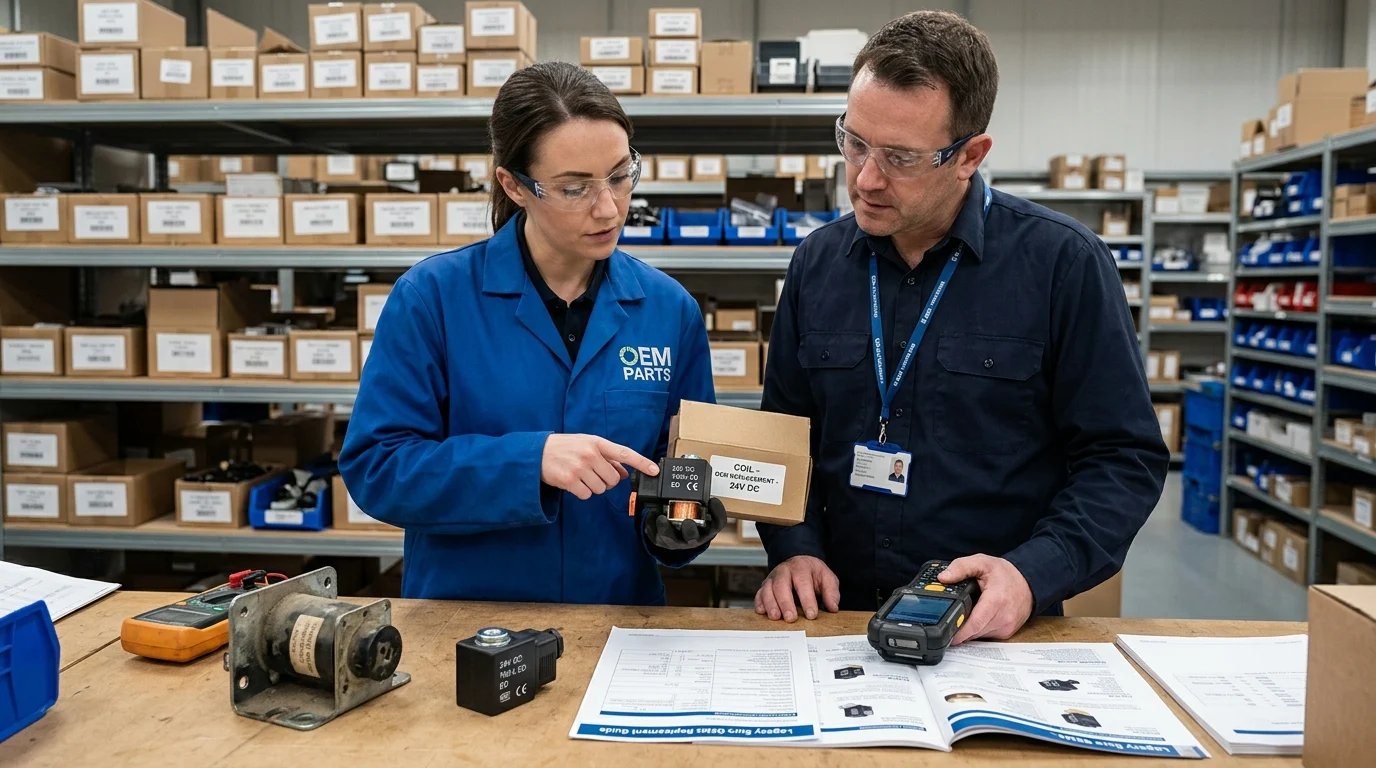
Onboarding a new aftermarket solenoid coil involves a structured workflow aligning technical engineering, commercial procurement, and downstream sales strategies. This multi-departmental approach ensures the selected component succeeds in the target market.
By systematically validating the product, supplier, and commercial terms, B2B buyers mitigate risks associated with transitioning from original European OEM parts to aftermarket alternatives.
Map OEM references to equivalents
The first step utilizes comprehensive cross-reference databases to map the obsolete OEM part number to the supplier’s aftermarket equivalent. This ensures electrical characteristics and physical dimensions perfectly align with the legacy application.
Choose replacement vs substitute
Procurement teams must decide whether an exact replica of the legacy coil is required, or if a modern, functionally equivalent substitute (offering better thermal efficiency or a more durable housing) is acceptable to the end-user.
Validate samples and terms
Once samples pass engineering validation, buyers finalize commercial terms. This includes negotiating payment structures (such as T/T or L/C), warranty periods, and liability clauses for defective batches.
Plan channel and service support
Successful distribution requires planning the go-to-market strategy. Buyers must ensure suppliers provide necessary technical spec sheets, installation diagrams, and responsive customer service to support B2B sales channels. Reliable sourcing frameworks, similar to infrastructure seen on Aliexpress, streamline this documentation and support process.
FAQ and Key Takeaways
Navigating the procurement of replacement solenoid coils for legacy European machinery requires specialized technical knowledge and strategic supplier management. Wholesale buyers must remain vigilant regarding specifications, compliance, and logistics to maintain a competitive edge.
By partnering with capable manufacturers and maintaining rigorous quality standards, distributors can build highly profitable aftermarket portfolios that keep vital industrial and automotive systems running smoothly.
How to confirm interchangeability
Confirm interchangeability by matching the legacy OEM part number, verifying internal armature diameter, checking overall height, and ensuring voltage, wattage, and duty cycle exactly match original specifications.
Typical MOQ and lead times
Standard factory MOQs range from 100 to 500 units per SKU, depending on winding complexity. Production lead times average 30 to 45 days, exclusive of international sea transit.
Main buyer priorities
Primary priorities for B2B buyers include ensuring uncompromised quality and dimensional accuracy, maintaining strict European regulatory compliance (CE, RoHS), and securing stable pricing to support consistent distribution margins. Accessing verified suppliers through trusted channels, including vetted links via Aliexpress, remains a cornerstone of effective global sourcing.
Key Takeaways
- Wholesale sourcing and supply-chain implications for Solenoid Coils
- Specifications, compliance, and commercial terms buyers should validate
- Actionable recommendations for distributors and procurement teams