
Introduction
In European solar parks, tracker reliability depends on small electromechanical parts that operate under heat, moisture, dust, vibration, and long maintenance intervals. Among them, solenoid coils play a key role in valve actuation, locking functions, and emergency stow behavior, so poor coil selection can raise parasitic power use, increase service calls, and threaten uptime. This article explains how to evaluate low-power, high-durability solenoid coils for tracker applications, with attention to energy consumption, thermal performance, environmental protection, duty cycle, and long-life operation. It also connects these criteria to the practical demands of utility-scale installations across diverse European climates and grid conditions.
Why Solar Tracker Systems Need Low-Power, High-Durability Solenoids
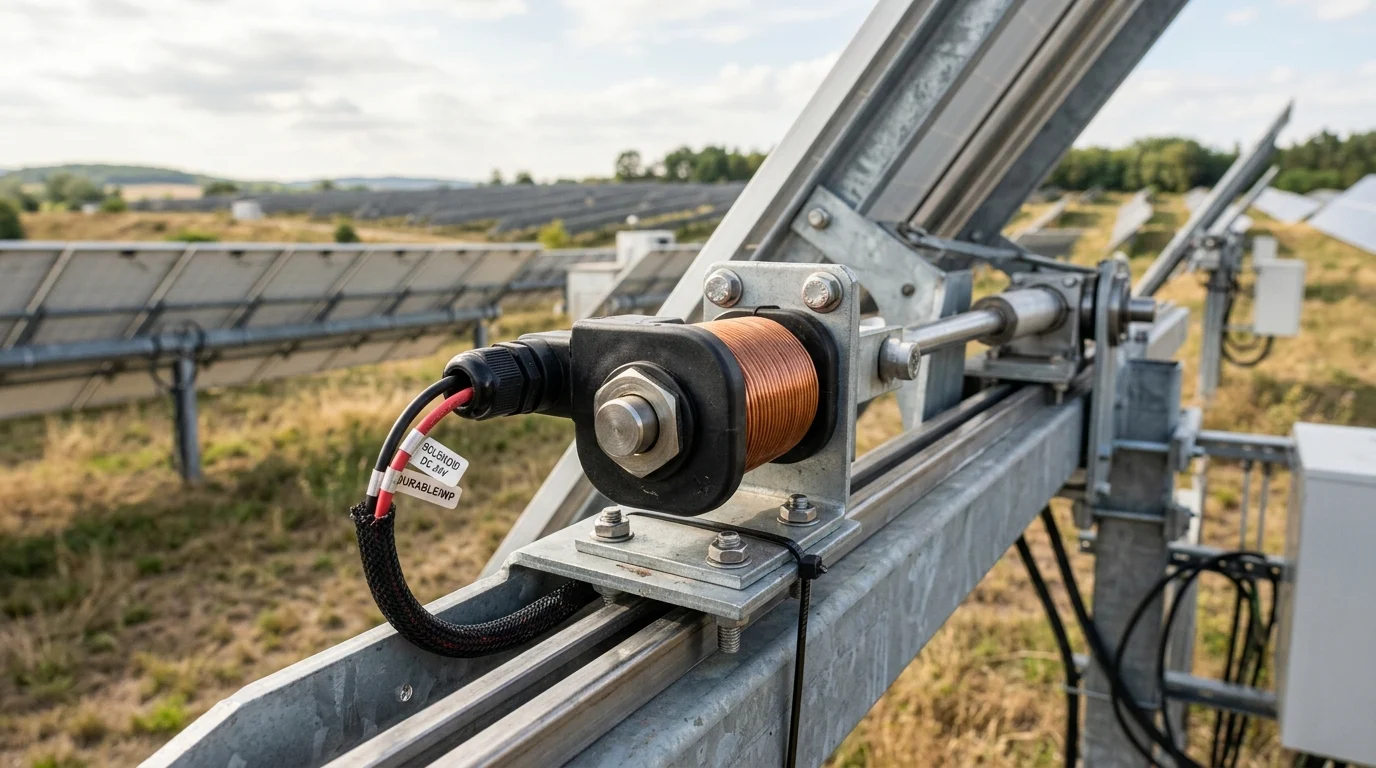
Solar tracker systems are essential for maximizing the energy yield of utility-scale photovoltaic installations across Europe, often increasing generation by up to 25% compared to fixed-tilt systems. Within these complex mechanical structures, solenoid coils serve as critical, albeit often overlooked, electromechanical components. They are primarily responsible for actuating hydraulic valves, engaging mechanical locking pins, and managing emergency wind stow mechanisms.
Since European solar parks are frequently deployed in remote, harsh, or highly variable environments, the reliability of these specific components directly influences overall plant uptime, maintenance budgets, and long-term profitability.
How low-power, high-durability solenoid coils affect tracker performance
The operational efficiency of a solar tracking system relies heavily on minimizing parasitic power losses. Every watt consumed by the tracking mechanism’s motors and control systems is a watt not delivered to the commercial grid. Low-power solenoid coils, typically engineered to draw less than 5 watts during continuous holding operations, significantly reduce the baseline energy budget of the tracker’s local control system. This reduction allows for smaller, more cost-effective backup batteries or localized power supplies.
Furthermore, high-durability coils prevent catastrophic mechanical failures during emergency maneuvers. A robust solenoid ensures that locking mechanisms engage reliably over a projected 20- to 25-year operational lifespan. If a solenoid fails to actuate a lock or release a hydraulic valve due to coil burnout, the tracker can become jammed, leading to severe structural damage during high wind events.
Which market and site pressures in Europe drive solenoid selection
European solar operators face unique geographic and regulatory pressures that dictate exceptionally strict hardware standards. Installations ranging from the freezing, snow-heavy altitudes of the Swiss Alps to the extreme summer heat and dust of the Spanish Iberian Peninsula require components capable of withstanding ambient temperature fluctuations from -30°C to +55°C.
Additionally, the increasing frequency of severe European windstorms mandates rapid, fail-safe stow responses. Trackers must often transition to a flat, defensive posture when site anemometers detect wind speeds exceeding 16 meters per second. Solenoids must actuate flawlessly under these high-vibration, high-stress conditions. In these specific regional markets, regulatory grid compliance also dictates maximum allowable downtime, making the thermal stability and mechanical resilience of solenoid coils a strict prerequisite for project financing.
Which Technical Specifications Matter Most
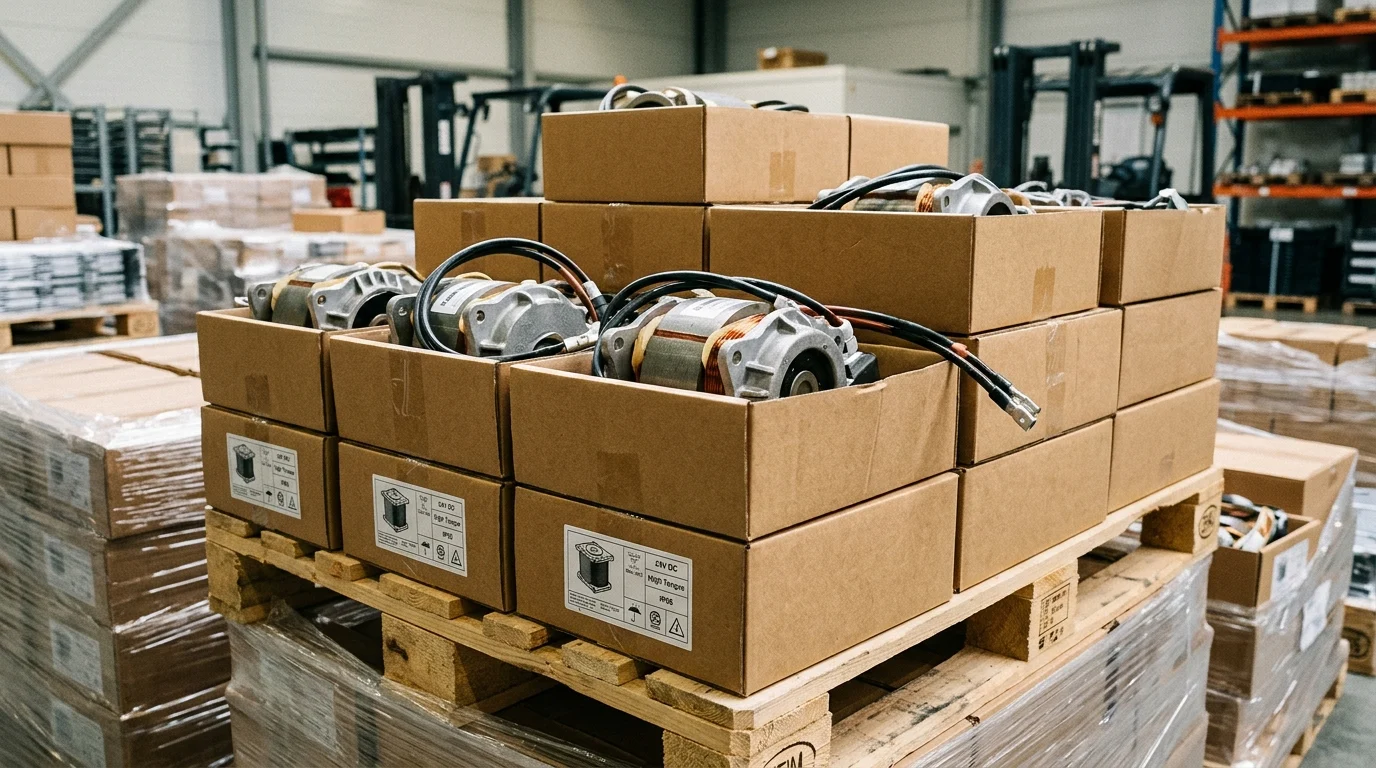
Specifying a solenoid coil for solar trackers involves substantially more than simply matching nominal voltage requirements. Project engineers must evaluate a complex matrix of electrical and mechanical parameters to ensure the component will survive decades of daily thermal cycling, continuous energization, and severe environmental exposure without degrading in performance.
How to compare duty cycle, holding force, and inrush current
Duty cycle, holding force, and inrush current represent the core performance triangle for tracker solenoids. Most utility-scale solar tracker applications require a 100% ED (continuous duty) rating, as the coil may need to hold a hydraulic valve open or a lock disengaged for the entirety of the daylight hours. However, maintaining continuous holding force inherently generates heat.
Advanced low-power designs utilize precision-wound copper coils to deliver high magnetic holding force—often exceeding 50 Newtons for heavy-duty locking pins—while minimizing resistive heating. Additionally, managing inrush current is critical for system longevity. Standard industrial coils can draw an initial spike up to four times their nominal holding current. This sudden surge strains sensitive control electronics, causes voltage drops across the park’s network, and requires significantly heavier cabling to prevent signal degradation over long distances.
What evaluation criteria buyers should use for solenoid coil selection
When evaluating solenoid coils, procurement teams must look beyond baseline functionality and rigorously assess environmental and thermal endurance. Essential evaluation criteria include ingress protection ratings, insulation classifications, and wide voltage tolerances to accommodate long cable runs.
| Specification | Standard Industrial Coil | Optimized Solar Tracker Coil |
|---|---|---|
| Continuous Power Consumption | 15–20 Watts | < 5 Watts |
| Ingress Protection | IP65 (Dust/Water jets) | IP67 / IP69K (Submersion/High-pressure wash) |
| Insulation Class | Class F (155°C) | Class H (180°C) |
| Voltage Tolerance | ±5% | ±15% (Handles grid/battery fluctuations) |
| Expected Cycle Life | 50,000 cycles | > 150,000 cycles |
Buyers should strictly mandate Class H insulation to prevent coil burnout during peak summer temperatures, where internal enclosure temperatures can easily exceed 80°C. Furthermore, an IP67 or IP69K rating is completely non-negotiable; it is required to protect the internal copper windings from moisture ingress, morning condensation, and the highly abrasive agricultural dust common in European solar park locations.
How EPCs, OEMs, and Operators Should Source and Qualify Solenoids

For Engineering, Procurement, and Construction (EPC) firms and tracker Original Equipment Manufacturers (OEMs), unexpected component failure in the field results in highly costly truck rolls and unacceptable system downtime. Implementing a rigorous, data-driven sourcing and qualification framework is the only effective way to safeguard the project’s financial model and ensure long-term operational stability.
Which compliance, testing, and supply chain checks reduce risk
Risk reduction begins with comprehensive compliance verification and aggressive lifecycle testing. Solenoids deployed within the European market must strictly adhere to CE, RoHS, and REACH directives to ensure legal compliance and environmental safety. Beyond basic regulatory checkboxes, OEMs should require suppliers to provide empirical data from Accelerated Life Testing (ALT).
A qualified solar tracker solenoid should demonstrate zero magnetic degradation after 150,000 actuation cycles under simulated extreme temperature and humidity conditions. From a supply chain perspective, the volatility of raw material markets—particularly regarding high-grade copper and magnetic steel—necessitates careful vendor selection. Buyers should actively partner with manufacturers capable of maintaining Minimum Order Quantity (MOQ) buffers and guaranteeing production lead times within a stable 8- to 12-week window, thereby preventing costly project delays during peak European construction seasons.
What decision process helps select the right solenoid coil
The final decision process must systematically prioritize Total Cost of Ownership (TCO) over the initial unit purchase price.
Key Takeaways
- The most important conclusions and rationale for Solar Tracker Systems: Choosing Low-Power, High-Durability Solenoid Coils for European Solar Parks
- Specs, compliance, and risk checks worth validating before you commit
- Practical next steps and caveats readers can apply immediately
Frequently Asked Questions
Why are low-power solenoid coils important in European solar trackers?
They cut parasitic energy use, often below 5W in holding mode, helping more power reach the grid and reducing backup battery and control-system sizing.
What duty cycle should a solar tracker solenoid coil have?
Choose a 100% ED continuous-duty coil for applications that hold valves or locks engaged throughout daylight operation.
Which environmental ratings are best for solar parks in Europe?
Look for IP67 or IP69K ingress protection and Class H insulation to handle dust, rain, washdowns, and temperatures from about -30°C to +55°C.
How does inrush current affect tracker system design?
High inrush current can stress controllers, cause voltage drops on long cable runs, and force thicker cabling, so low-inrush coils improve stability and lower system cost.
What coil lifespan target is suitable for utility-scale solar trackers?
Aim for coils rated above 150,000 cycles and designed for 20–25 years of thermal cycling, vibration, and emergency wind-stow operation.
Post time: May-19-2026