
Introduction
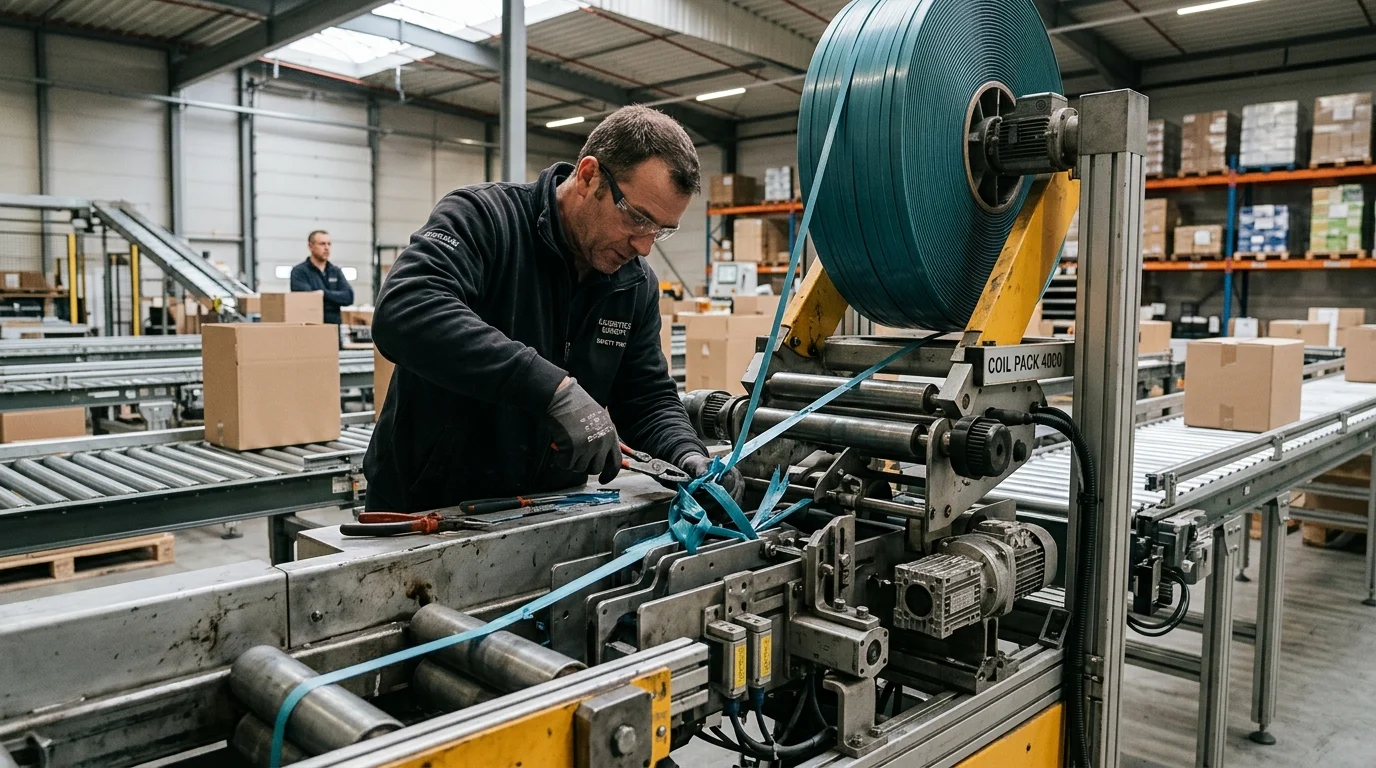
Automated packing lines depend on electromagnetic coils to keep sorting, diverting, and packing equipment moving at high speed. When one of these components fails, the result is often not a minor repair but a costly interruption that can ripple through an entire logistics hub. This article examines the financial consequences of coil failures in European distribution centers, comparing downtime, maintenance, and replacement costs against the benefits of preventive measures. It provides a practical framework for understanding where losses arise and how operations teams can make better investment decisions to reduce disruption and protect throughput.
Economic Impact of Coil Failures on Automated Packing Lines
Automated packing lines form the backbone of modern European logistics, relying heavily on electromagnetic components to drive pneumatic valves, solenoids, and diversion relays. In high-throughput distribution hubs, which frequently process upwards of 10,000 parcels per hour, the continuous operation of these systems is critical. When a localized electromagnetic coil fails, it often triggers an immediate halt to the entire sorting mechanism. Understanding the financial ramifications of these disruptions requires a comprehensive cost-benefit analysis that captures both immediate hardware failures and broader operational bottlenecks.
Cost categories and failure effects
The degradation of coils in packing lines typically stems from thermal stress, insulation breakdown, or mechanical vibration caused by millions of rapid actuation cycles. A single solenoid coil failure on a primary automated sorting line can incur staggering downtime costs, often ranging from €2,500 to €8,000 per hour, depending on the facility’s peak throughput and the specific node of failure. The effects cascade quickly; a jammed diverter not only stops the immediate conveyor but forces upstream accumulation systems to pause, drastically reducing the overall equipment effectiveness (OEE) of the entire warehouse.
Direct vs indirect losses
To accurately assess the economic impact, logistics managers must distinguish between direct and indirect financial losses. Direct costs are highly visible and relatively easy to quantify, encompassing the price of the replacement component and the emergency maintenance labor, which typically bills at €85 to €150 per hour in Western Europe. Indirect losses, however, often dwarf the immediate repair expenses. These include Service Level Agreement (SLA) penalties for missed dispatch cut-offs, the cost of rerouting freight, and long-term reputational damage with major e-commerce partners.
| Loss Category | Examples | Financial Impact Level |
|---|---|---|
| Direct Losses | Replacement parts, emergency technician labor, expedited shipping for spares | Low to Medium (€100 – €500 per event) |
| Indirect Losses | Facility downtime, SLA delivery penalties, overtime pay for backlog recovery | High (€2,500 – €8,000+ per hour) |
How European Logistics Firms Can Measure Impact
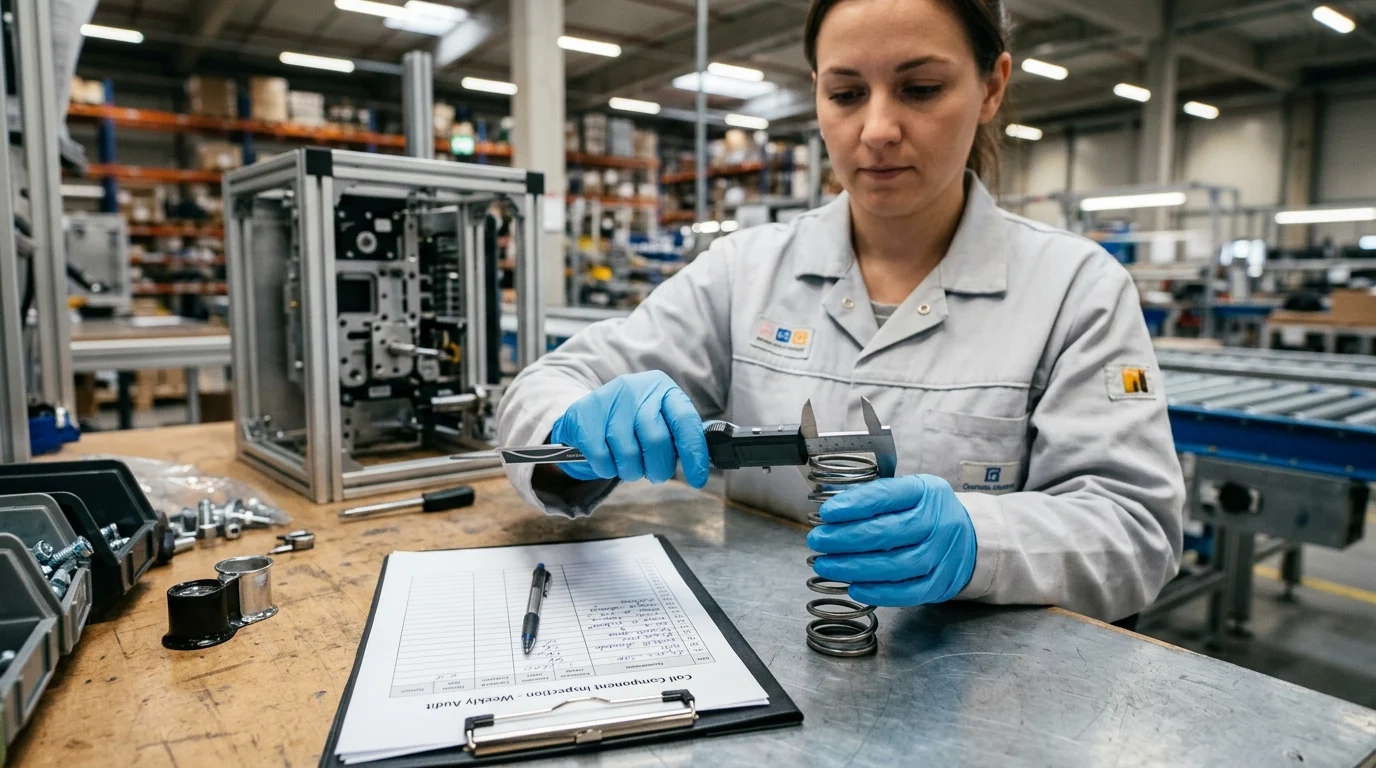
Transitioning from reactive maintenance to proactive financial modeling allows European logistics firms to accurately measure the true cost of component degradation. A structured cost-benefit analysis requires facilities to track specific operational data over time, isolating the impact of micro-stops and catastrophic failures directly linked to electromagnetic components. By establishing a rigorous measurement framework, operations directors can justify the capital expenditure required for higher-grade industrial components.
Key metrics and comparison points
The foundational metrics for measuring coil reliability are Mean Time Between Failures (MTBF) and Mean Time to Repair (MTTR). For instance, upgrading a standard sorting actuator from Class F (155°C) to Class H (180°C) insulation can extend the MTBF from an industry average of 15,000 hours to over 40,000 hours in high-cycle packaging environments. Firms must also track the OEE percentage, specifically monitoring the availability metric. If a facility targets 98% availability, a recurring coil failure that adds just 15 minutes of downtime per shift can quickly degrade performance below acceptable European logistics standards, triggering mandatory operational reviews.
Cost model inputs
Building an accurate cost model requires cross-referencing maintenance logs with financial data. The primary inputs include the facility’s hourly throughput value, the average duration of a repair (MTTR), the specific component cost, and the historical failure frequency per quarter. A robust formula calculates the Annual Failure Cost by multiplying the yearly failure rate by the sum of the repair parts, labor, and the hourly downtime cost. If an operation utilizes 200 identical pneumatic valve coils, capturing the aggregate lifecycle cost of these components allows procurement teams to accurately model whether a 30% premium on a superior coil design will yield a net positive return on investment within the fiscal year.
Investment and Procurement Decisions to Reduce Impact
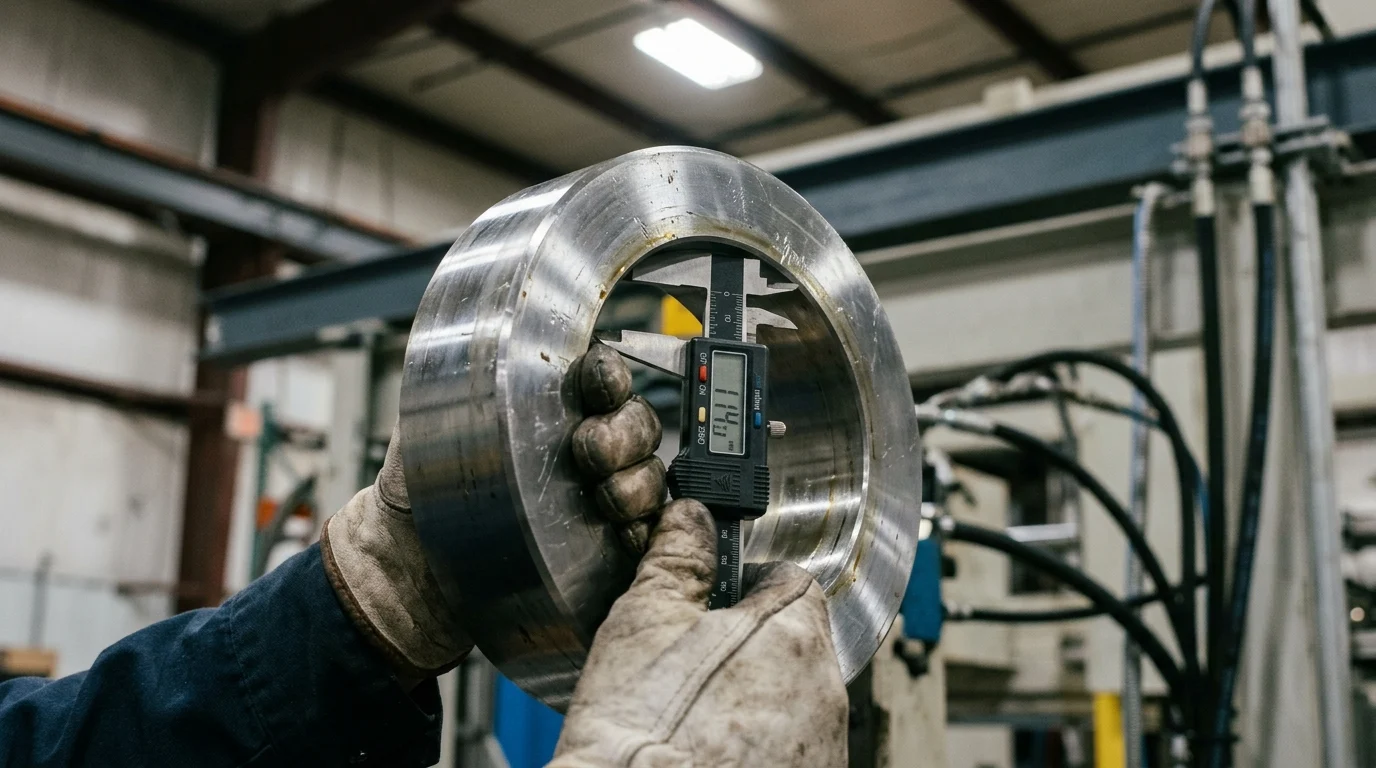
Armed with precise operational data and cost models, logistics firms must adapt their procurement and engineering strategies to minimize downtime. The decision to invest in superior electromechanical components shifts the focus from minimizing upfront capital expenditures (CAPEX) to optimizing long-term operating expenses (OPEX). In the highly regulated European market, this also means ensuring all components strictly adhere to CE and RoHS compliance standards, which inherently pushes facilities toward higher-quality, fully certified manufacturing partners.
Practical steps for operations leaders
Operations leaders can take several practical steps to mitigate the risk of automated line failures. The first is specifying higher duty cycle ratings during the procurement phase. Upgrading from a 50% ED (intermittent duty) to a 100% ED (continuous duty) rating ensures coils can withstand continuous sorting applications without critical thermal overload. Additionally, engaging in strategic bulk procurement can offset the costs of higher-grade components. By negotiating Minimum Order Quantities (MOQs) of 500 to 1,000 units for custom-wound coils, logistics hubs can typically reduce the per-unit cost by 15% to 20%, ensuring that premium spares are readily available on-site without breaking the annual maintenance budget.
Repair, redesign, or replace criteria
When a packing line component fails, maintenance teams face a critical choice: repair the existing unit, redesign the subsystem, or replace it with an Original Equipment Manufacturer (OEM) part. Rewinding or repairing a standard, mass-produced solenoid coil costing under €50 is economically unviable due to high European labor rates. However, for specialized, high-force actuator coils costing upwards of €400, working with a dedicated winding partner to redesign the coil with superior thermal potting can yield a 30% cost saving over OEM replacement. This redesign approach not only resolves the immediate supply chain bottleneck but fundamentally upgrades the thermal resilience of the packing line, providing a permanent solution to recurring failure points.
Key Takeaways
- The most important conclusions and rationale for The Economic Impact of Coil Failures on Automated Packing Lines: A Cost-Benefit Analysis for European Logistics
- Specs, compliance, and risk checks worth validating before you commit
- Practical next steps and caveats readers can apply immediately
Frequently Asked Questions
What is the biggest cost of a coil failure on an automated packing line?
Usually downtime, not the part itself. A single failure can cost €2,500 to €8,000 per hour by stopping sorting, delaying dispatches, and reducing OEE.
Which losses should logistics managers separate in a cost analysis?
Separate direct losses like replacement parts and labor from indirect losses like SLA penalties, rerouting, and overtime recovery.
How can a European logistics site measure coil reliability?
Track MTBF, MTTR, and OEE availability. Compare failure frequency, repair time, and downtime impact using maintenance and production logs.
What coil upgrade can improve reliability in high-cycle environments?
Upgrading from Class F to Class H insulation can raise MTBF from about 15,000 hours to over 40,000 hours in demanding packing lines.
When does buying a higher-grade coil make financial sense?
When the reduced failure rate and downtime savings outweigh the premium price within the fiscal year, especially on high-throughput lines.
Post time: May-18-2026