
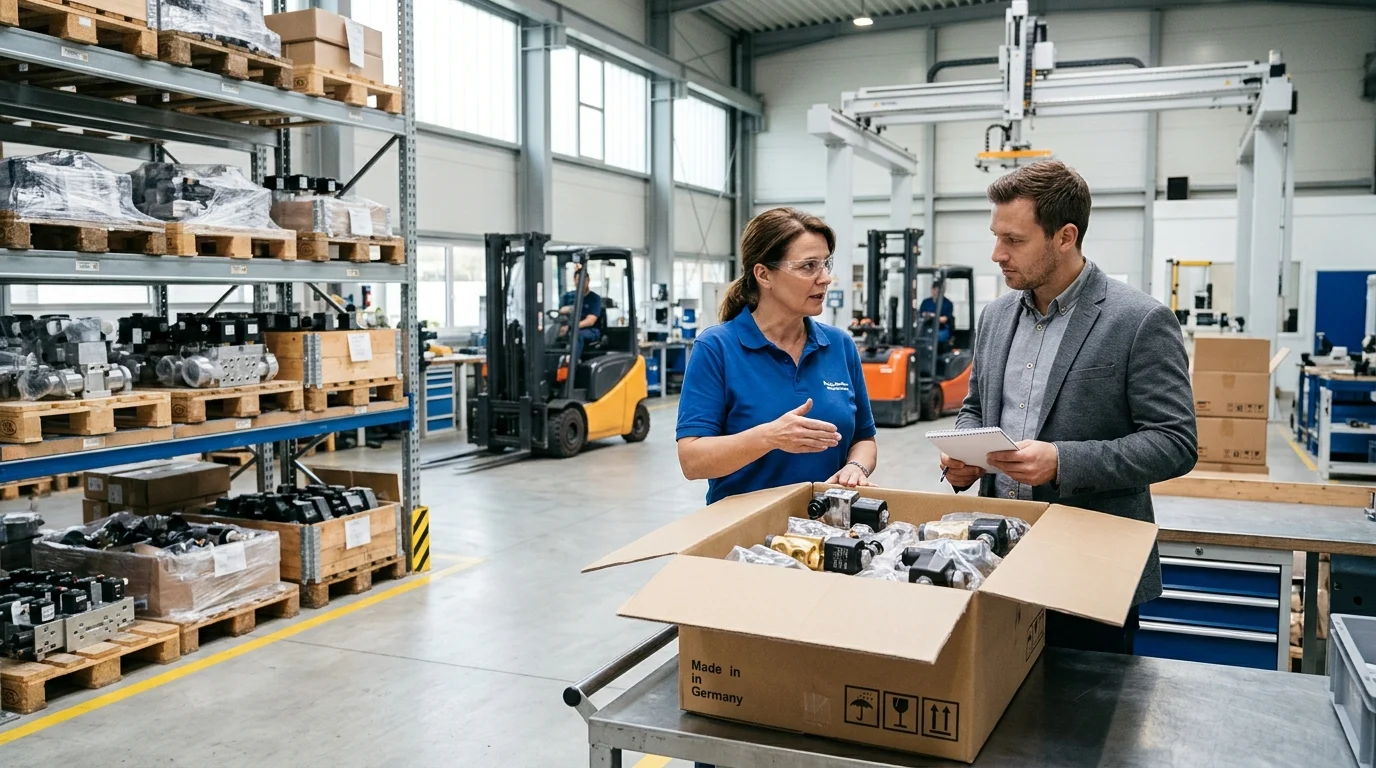
Europe’s automation boom is no longer just a story about robots, smart factories, and digital transformation; it is also a story about the small control components that keep production moving. As the region’s industrial automation market reaches an estimated $72 billion and grows at a reported 7.4% CAGR, demand for solenoid valves is rising across automotive plants, pharmaceutical lines, packaging systems, forklifts, AGVs, and heavy mobile machinery. For buyers, that growth brings opportunity but also risk: longer lead times, volatile raw material costs, and tougher competition for qualified suppliers. This article explains why the supply chain behind solenoid valves deserves closer attention.
Why the European Automation Market Matters
According to industry estimates, the European industrial automation sector has reached an unprecedented valuation of $72 billion, expanding at a robust compound annual growth rate (CAGR) reported at 7.4%. For procurement professionals and supply chain managers, this rapid expansion signals a tightening landscape for critical electromechanical components. Solenoid valves—the fundamental control mechanisms for hydraulic and pneumatic systems across automated manufacturing and heavy mobile machinery—are directly exposed to these market pressures. Understanding the macroeconomic forces driving this growth is essential for securing reliable, cost-effective component pipelines.
Market Size and Growth Drivers
The estimated $72 billion valuation is largely propelled by the aggressive integration of Industry 4.0 protocols, smart manufacturing facilities, and stringent sustainability mandates across the European Union. Core sectors such as automotive manufacturing, pharmaceutical processing, and food and beverage packaging are heavily investing in automated fluid control to maximize throughput and minimize energy waste. Germany and Italy remain the primary hubs for heavy machinery and automated intralogistics, driving sustained demand for specialized industrial control systems.
However, this growth does not affect all regions equally. While Western Europe drives high-tech IoT adoption, Eastern Europe’s traditional manufacturing bases create distinct, uneven supply chain pressures across the continent. As automated mobile equipment—such as autonomous forklifts, automated guided vehicles (AGVs), and robotic loaders—becomes standard on factory floors, the requirement for high-precision hydraulic control valves has surged. Automation sector surveys suggest the adoption rate for smart, IoT-enabled solenoid valves is increasing by an estimated 12% annually, significantly outpacing traditional pneumatic components. This shift requires buyers to source increasingly sophisticated valves capable of interfacing with modern Programmable Logic Controllers (PLCs).
Supply Chain Impact on Solenoid Valves
This accelerated demand places immense strain on the global supply chain. Raw material volatility remains a primary concern; fluctuations in the commodities market frequently cause copper—essential for electromagnetic coils—to swing in price by as much as 15% quarter-over-quarter. Similarly, the cost of industrial-grade brass and 316 stainless steel for valve bodies creates persistent pricing instability that manufacturers pass down to buyers.
Consequently, standard lead times for specialized hydraulic valves have stretched considerably. Components that historically maintained a baseline delivery window of 4 to 6 weeks can now require 12 to 16 weeks during peak demand cycles. Buyers must navigate a landscape where component shortages threaten to halt multi-million-dollar assembly lines. Proactive supplier qualification, rigorous capacity auditing, and strategic inventory buffering are now essential strategies rather than routine purchasing tasks.
Key Solenoid Valve Buying Criteria
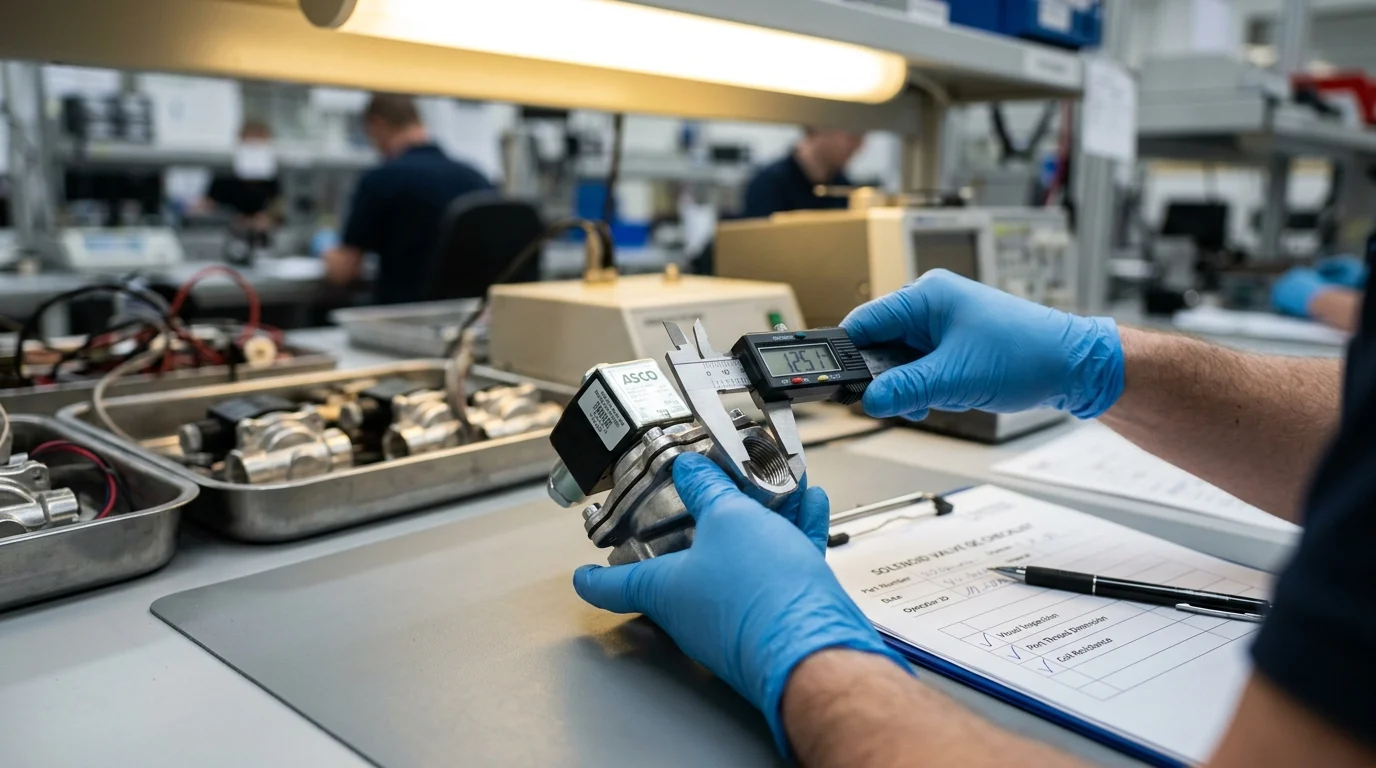
Securing reliable solenoid valves requires rigorous technical evaluation. Procurement teams must align component specifications precisely with application requirements to prevent premature failures in automated systems, thereby minimizing costly unplanned downtime.
Direct-Acting vs Pilot-Operated Valves
The fundamental choice in fluid control lies between direct-acting (requiring 0 Bar minimum pressure for low-pressure circuits) and pilot-operated solenoid valves (utilizing system pressure for high-flow applications). For procurement teams, this distinction directly impacts supply chain strategy: direct-acting valves often require larger, copper-heavy coils, making them more susceptible to commodity price volatility, whereas pilot-operated valves demand precision-machined internal diaphragms that can face distinct manufacturing bottlenecks.
In heavy mobile automation, such as the transmission systems for loaders and heavy-duty industrial vehicles, precise hydraulic control is paramount. Components operating in these environments must withstand extreme pressure spikes and intense vibration profiles typical of heavy machinery gearboxes. For example, specialized transmission control components are engineered to manage the high-stress hydraulic routing necessary for seamless automated gear shifting.
| Specification | Direct-Acting Solenoid Valves | Pilot-Operated Solenoid Valves |
|---|---|---|
| Minimum Pressure | 0 Bar (Zero differential required) | Typically 0.5 to 1.0 Bar |
| Flow Capacity (Cv) | Low to Medium | High to Very High |
| Power Consumption | Higher (due to larger coil requirements) | Lower (utilizes system pressure) |
| Typical Application | Vacuum systems, small dosing lines | Heavy machinery hydraulics, main supply lines |
Compliance, Documentation, and Testing
Beyond mechanical specifications, regulatory compliance and rigorous testing protocols define commercial viability in the European market. Industrial valves must strictly adhere to CE marking requirements, RoHS directives restricting hazardous substances in electronic coils, and REACH regulations concerning chemical safety. The choice of internal sealing materials—such as NBR (rated to 90°C), EPDM (ideal for steam up to 140°C), or FKM (capable of withstanding aggressive chemicals and temperatures up to 150°C)—must be documented and matched to the specific fluid media. Furthermore, mobile automation equipment requires stringent ingress protection, typically demanding IP65 or IP67 ratings to withstand dust infiltration and high-pressure water jets.
Quality assurance is equally critical when evaluating suppliers. Top-tier manufacturers target an industry-standard benchmark defect rate of under 500 Parts Per Million (PPM) through automated end-of-line testing. When sourcing complex proportional or pressure-regulating valves—such as specialized pressure regulator valves utilized in heavy-duty loader forklifts—comprehensive documentation is a critical requirement. Buyers should mandate Material Test Reports (MTRs) and fatigue testing data verifying the valve’s lifecycle rating, which often must exceed 10 million cycles for continuous industrial use.
How to Build a Practical Sourcing Strategy
To insulate production schedules from the volatility of the expanding European automation sector, buyers need to build a resilient, multi-tiered sourcing strategy. Relying on a single procurement channel exposes automated manufacturing operations to unacceptable levels of supply chain risk, making dual-sourcing and geographic diversification essential.
Local Distributors vs Global Suppliers
A primary strategic decision involves balancing localized distribution networks against direct global sourcing. Local European distributors offer immediate availability, often providing 24- to 72-hour delivery windows for standard catalog valves. This rapid fulfillment is invaluable for emergency maintenance and prototyping. However, this logistical convenience typically incurs a 20% to 35% price premium to cover regional warehousing, import duties, and distributor margins.
In contrast, sourcing directly from global manufacturers—frequently based in specialized industrial zones in Asia—can yield substantial cost reductions, particularly for high-volume OEM orders. However, this approach requires navigating longer transit times, geopolitical trade risks, and potential logistics bottlenecks.
To move forward effectively, procurement teams should
Key Takeaways
- The European automation market’s estimated $72 billion value and 7.4% CAGR are intensifying competition for critical solenoid valves and related electromechanical components.
- Buyers should plan for specialized hydraulic valve lead times of up to 12 to 16 weeks during peak demand cycles instead of relying on historic 4 to 6 week delivery windows.
- Procurement teams should track copper, brass, and 316 stainless steel pricing because raw material swings can quickly affect solenoid valve costs.
- Smart and IoT-enabled solenoid valves are becoming more important as automated facilities require components that integrate reliably with PLC-based control systems.
- Selecting between direct-acting and pilot-operated valves should be based on system pressure, flow requirements, and the operating demands of the application.
- Supplier qualification, capacity audits, and inventory buffering are now essential tactics for protecting automated production lines from component shortages.
Frequently Asked Questions
Why does European automation growth matter to solenoid valve buyers?
A $72 billion market growing at 7.4% increases demand for hydraulic and pneumatic control components, which can tighten availability, extend lead times, and raise prices for specialized solenoid valves.
Which industries are driving demand for solenoid valves in Europe?
Automotive manufacturing, pharmaceuticals, food and beverage packaging, intralogistics, and automated mobile machinery are key demand drivers because they rely on precise fluid control for throughput, safety, and energy efficiency.
How are smart factories changing solenoid valve requirements?
Smart factories increasingly need IoT-enabled valves that integrate with PLCs, support monitoring, and deliver precise hydraulic or pneumatic control. Adoption of smart solenoid valves is estimated to be rising faster than traditional pneumatic components.
What supply chain risks should procurement teams watch?
Buyers should monitor copper, brass, and stainless steel volatility, supplier capacity, and longer lead times. Specialized hydraulic valves that once shipped in 4 to 6 weeks may now take 12 to 16 weeks in peak cycles.
Should buyers choose direct-acting or pilot-operated solenoid valves?
Direct-acting valves are better for low-pressure or zero-pressure circuits, while pilot-operated valves suit higher-flow systems that can use system pressure to actuate. The right choice depends on pressure, flow, and application conditions.
Post time: Nov-06-2026