

A low unit price can look like a procurement win—until a failed valve stops production, triggers emergency maintenance, or creates a compliance problem. In Europe and the US, sourcing teams are increasingly shifting from short-term purchase savings to lifecycle cost analysis for solenoid valves, especially in automated, high-cycle, and regulated environments. This article explains how total cost of ownership changes supplier evaluation, why the initial invoice may represent only a fraction of true cost, and which technical, compliance, and sourcing factors buyers should compare before awarding contracts. For procurement and engineering teams, the goal is clear: reduce long-term risk, not just upfront spend.
Why Lifecycle Cost Matters More Than Unit Price
European and US procurement teams are fundamentally re-evaluating their strategies for fluid control systems. Historically, buyers prioritized the lowest initial unit price to meet immediate budgetary constraints and demonstrate short-term cost savings. However, the increasing complexity of industrial automation, coupled with stringent environmental regulations and volatile supply chains, has exposed the financial vulnerabilities of this approach.
Today, strategic sourcing in advanced manufacturing emphasizes solenoid valve lifecycle cost as the primary metric for vendor selection and contract awarding. This transition reflects a maturing landscape where engineers and procurement teams collaborate to minimize total operational expenditures rather than merely optimizing the initial purchase order.
How to Define Solenoid Valve Lifecycle Cost
Defining the lifecycle cost of a solenoid valve requires expanding the accounting horizon beyond the initial invoice. The Total Cost of Ownership (TCO) encompasses acquisition, international shipping, installation labor, energy consumption, routine maintenance, unplanned downtime, and eventual decommissioning.
While illustrative benchmarks often estimate that the initial purchase price represents roughly 15% to 20% of a solenoid valve’s total lifecycle cost, this ratio is highly sensitive to installation complexity, material grade, and duty cycle. The remaining 80% to 85% is embedded in operational expenditures and risk mitigation over the component’s lifespan. By mapping these extended costs, teams can accurately benchmark competing suppliers on actual economic impact.
A common hurdle in this process is the organizational tension between CAPEX (capital expenditures) and OPEX (operational expenditures). Because budgets are frequently siloed, sourcing professionals must build a compelling business case that justifies higher upfront CAPEX spend by demonstrating guaranteed, long-term OPEX reductions to executive stakeholders.
Why Unit Price Misses Operational Risk
Relying strictly on unit price introduces severe operational risks that remain invisible during the procurement phase. Low-cost valves frequently utilize inferior coil windings, standard commercial-grade seals, or substandard internal machining tolerances, leading to premature failure in high-cycle or high-temperature environments.
To properly evaluate these hidden liabilities, buyers should utilize a concrete risk matrix to categorize potential failures:
- Operational Risk: In continuous process industries (such as petrochemical refining, semiconductor fabrication, or pharmaceutical manufacturing), an unplanned shutdown caused by a failed solenoid valve can incur estimated downtime costs exceeding $10,000 per hour in lost production.
- Compliance Risk: Substandard components may fail to meet stringent environmental or safety regulations, leading to hazardous leaks or regulatory penalties.
- Financial Risk: The initial $50 or $100 saved on a budget valve is mathematically unjustifiable when weighed against accelerated replacement cycles and emergency maintenance labor.
This level of exposure shifts the focus squarely toward reliability and risk mitigation.
Key Technical, Compliance, and Sourcing Cost Drivers
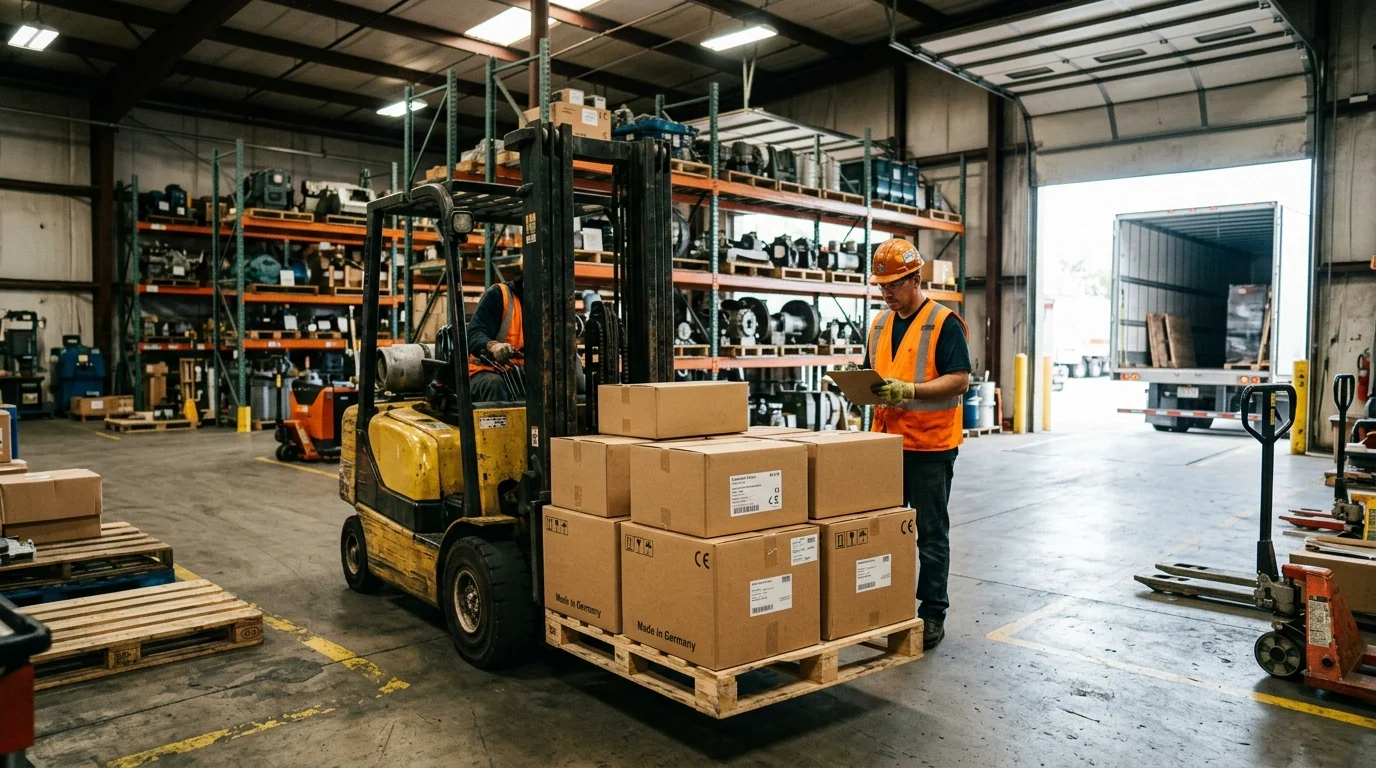
The total financial impact of a solenoid valve is heavily influenced by material selection, regulatory compliance standards (such as CE, UL, or ATEX certifications), and the supplier’s quality control infrastructure. By identifying these specific technical and logistical cost drivers, procurement teams can effectively separate high-value engineering solutions from low-cost commodities that inflate downstream maintenance budgets.
Specification Variables Buyers Should Compare
When evaluating bids, buyers must compare specific technical variables rather than accepting generic equivalents. Key differentiators include body metallurgy, elastomeric seal composition, and electromagnetic coil insulation ratings. Upgrading these components increases the upfront cost but drastically reduces the lifetime maintenance burden. To prevent over-engineering and inflating costs without benefit, purchasing teams should match these upgrades to specific application contexts.
| Specification | Standard Option | High-Value Option | Lifecycle Impact | When to Specify |
|---|---|---|---|---|
| Body Material | Standard Brass | 316L Stainless Steel | Adds an estimated 5-7 years of life in corrosive media | Aggressive chemicals, washdown environments |
| Seal Material | NBR (-10°C to 90°C) | PTFE (-20°C to 150°C) | Projected to reduce premature leakage events by up to 40% | High temperatures, steam, or harsh solvents |
| Coil Insulation | Class F (155°C) | Class H (180°C) | Prevents thermal burnout in continuous duty cycles | 24/7 continuous energization |
Trade-Offs Between Low-Cost and High-Value Options
Procurement leaders must balance the trade-offs between low-cost tier suppliers and high-value manufacturers. While low-cost suppliers might offer attractive pricing and lower Minimum Order Quantities (MOQs), they often exhibit higher manufacturing variances.
As an illustrative benchmark, a high-value supplier might target a defect rate of less than 0.1%, whereas budget tiers might present projected defect rates between 2% and 3%. This discrepancy forces the organization to internalize the hidden costs of secondary quality inspections, higher replacement inventory holding costs, and accelerated warranty claims. Consequently, EU and US plants are increasingly consolidating their supplier base, favoring manufacturers capable of delivering sub-0.1% defect rates even if it requires accepting an assumed 15% to 25% premium on the unit price.
Crucially, the TCO framework assumes organizations can readily obtain reliable defect rates and Mean Time Between Failures (MTBF) figures. In reality, many mid-tier vendors will not provide Production Part Approval Process (PPAP) or MTBF data for standard catalog items. Rather than relying solely on third-party testing or pilot programs, procurement teams should add a sensitivity-analysis or data-confidence tier to their decision framework—applying conservative discount factors to unverified vendor claims to ensure reliable TCO comparisons.
How to Build a Lifecycle Cost Decision Framework
Procurement departments must utilize standardized quantitative models that objectively compare competing solenoid valve proposals based on total economic impact. This framework allows cross-functional teams—comprising sourcing, engineering, and maintenance personnel—to align on purchasing criteria that prioritize long-term facility profitability.
Steps to Calculate Total Cost of Ownership
Calculating the Total Cost of Ownership involves a standardized formula that accounts for the time value of money, typically using Net Present Value (NPV) or a minimum discount rate. The baseline calculation is: TCO = Initial Acquisition Cost + NPV of (Annual Operating Cost + Annual Maintenance Cost) + Logistics & Supply-Chain Risk Premium.
To operationalize the supply-chain risk premium, teams can calculate it as the carrying-cost percentage of the safety-stock value required to buffer against a vendor’s historical lead-time variance.
Key Takeaways
- Evaluate solenoid valves by total cost of ownership, including installation, energy use, maintenance, downtime, and end-of-life costs, not only the invoice price.
- Use the 15% to 20% purchase-price benchmark as a starting point, then adjust lifecycle cost models for duty cycle, material grade, and installation complexity.
- Create a risk matrix that quantifies operational, compliance, and financial exposure before approving low-cost valve alternatives.
- Prioritize suppliers that can document quality control, material performance, and required certifications such as CE, UL, or ATEX.
- Build a CAPEX-to-OPEX business case to justify higher upfront spend when it reduces failures, emergency maintenance, and production downtime.
Frequently Asked Questions
What is solenoid valve lifecycle cost?
It is the total cost of owning and operating a valve, including purchase price, shipping, installation, energy use, maintenance, downtime risk, replacement, and decommissioning.
Why is unit price a poor procurement metric?
Unit price ignores operational risks such as premature failure, unplanned downtime, compliance issues, emergency labor, and shorter replacement cycles, which often outweigh small upfront savings.
How much of lifecycle cost is the initial purchase price?
Illustrative benchmarks often place initial purchase price at roughly 15% to 20% of total lifecycle cost, though the ratio varies by duty cycle, installation complexity, and material requirements.
Which certifications should buyers check for solenoid valves?
Procurement teams should verify relevant certifications such as CE, UL, and ATEX, depending on the operating market, safety requirements, and hazardous-area conditions.
How can procurement justify a higher upfront valve cost?
Build a TCO business case showing how better materials, proven reliability, lower energy consumption, fewer failures, and reduced downtime can cut long-term OPEX.
Post time: Aug-24-2026