
Introduction
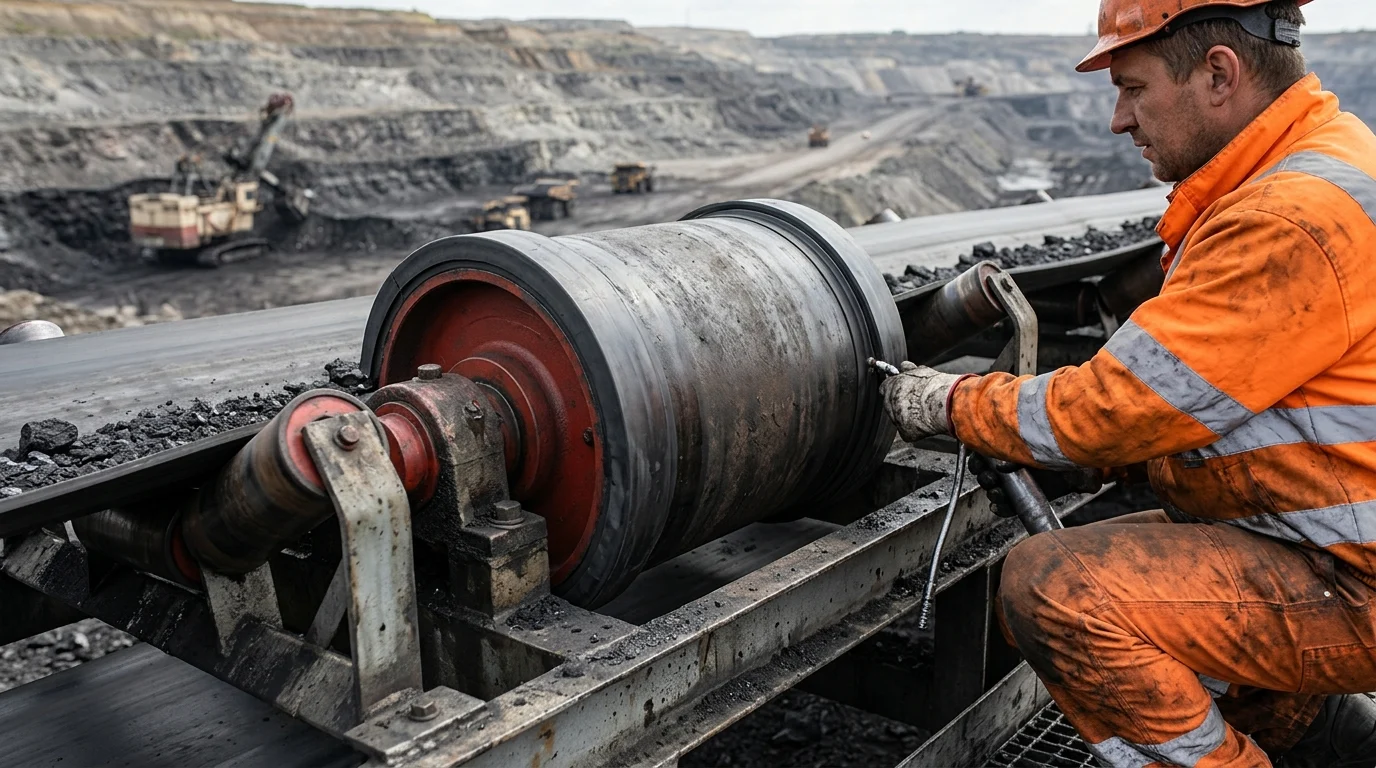
In Polish open-pit coal mines, electromagnetic coils operate in an unusually harsh mix of coal dust, vibration, temperature swings, and persistent moisture—conditions that can shorten service life well below design expectations. This case study examines how sealing weaknesses lead to insulation breakdown and premature failure, then shows how advanced sealing techniques were applied to improve durability in real mining equipment. Readers will see the key environmental stressors, the engineering logic behind the sealing upgrades, and the operational results that matter most: reduced downtime, longer replacement intervals, and more reliable control systems under continuous heavy-duty use.
Coil Failure Causes in Polish Open-Pit Coal Mining
Polish open-pit coal mines represent some of the most demanding industrial environments in Europe. Heavy extraction machinery, including massive bucket-wheel excavators and extensive overland conveyor networks, relies heavily on complex electro-hydraulic and pneumatic control systems. Within these systems, electromagnetic coils act as the critical interface between electronic controls and mechanical actuation, driving everything from gearbox solenoid valves to heavy-duty drainage valves.
However, the extreme environmental conditions characteristic of these extraction sites frequently compromise standard industrial components. When standard components fail prematurely, the resulting cascade effect leads to unexpected system downtime, halting coal extraction and inflating maintenance budgets significantly. Understanding the specific mechanisms of these failures is the first step toward engineering a resilient solution.
Common coil failure modes and root causes
The primary failure mode observed in these open-pit extraction sites is electrical insulation breakdown driven by moisture and particulate ingress. Standard solenoid coils, often rated at a baseline of IP65, struggle to withstand persistent exposure to highly abrasive airborne coal dust and fluctuating atmospheric moisture. In the investigated Polish facilities, relative humidity frequently fluctuates between 85% and 95% during seasonal transitions.
This high moisture content permeates microscopic fissures in standard coil casings. Once moisture reaches the internal copper windings, it facilitates galvanic corrosion and eventually leads to internal short circuits. Field data from the mining operators indicates that conventional coils in these sectors experience an alarming failure rate, often requiring complete replacement within 3 to 6 months of installation. This lifespan significantly trails the expected multi-year durability of the broader mechanical valve assemblies they control.
Operating conditions and component factors
Compounding the moisture and dust issues are the severe operating conditions inherent to open-pit mining. Equipment operates continuously on a 24/7 schedule, subjecting all electronic and pneumatic components to relentless thermal cycling and high-amplitude, low-frequency vibrations generated by heavy diesel engines and raw material crushing mechanisms. Ambient temperatures in Polish mines can plummet to -25°C in the dead of winter and exceed +40°C in direct summer sunlight.
When standard coils operate under load, their internal temperatures spike. Subsequent cooling draws external condensation into the housing—a phenomenon known as thermal breathing. To combat these harsh realities, operators must look beyond standard off-the-shelf OEM parts. Addressing these root causes requires sourcing specialized components from manufacturers with robust research and development capabilities in solenoid technology, particularly those experienced in engineering ruggedized parts for construction and heavy machinery.
Advanced Sealing Techniques to Extend Coil Life
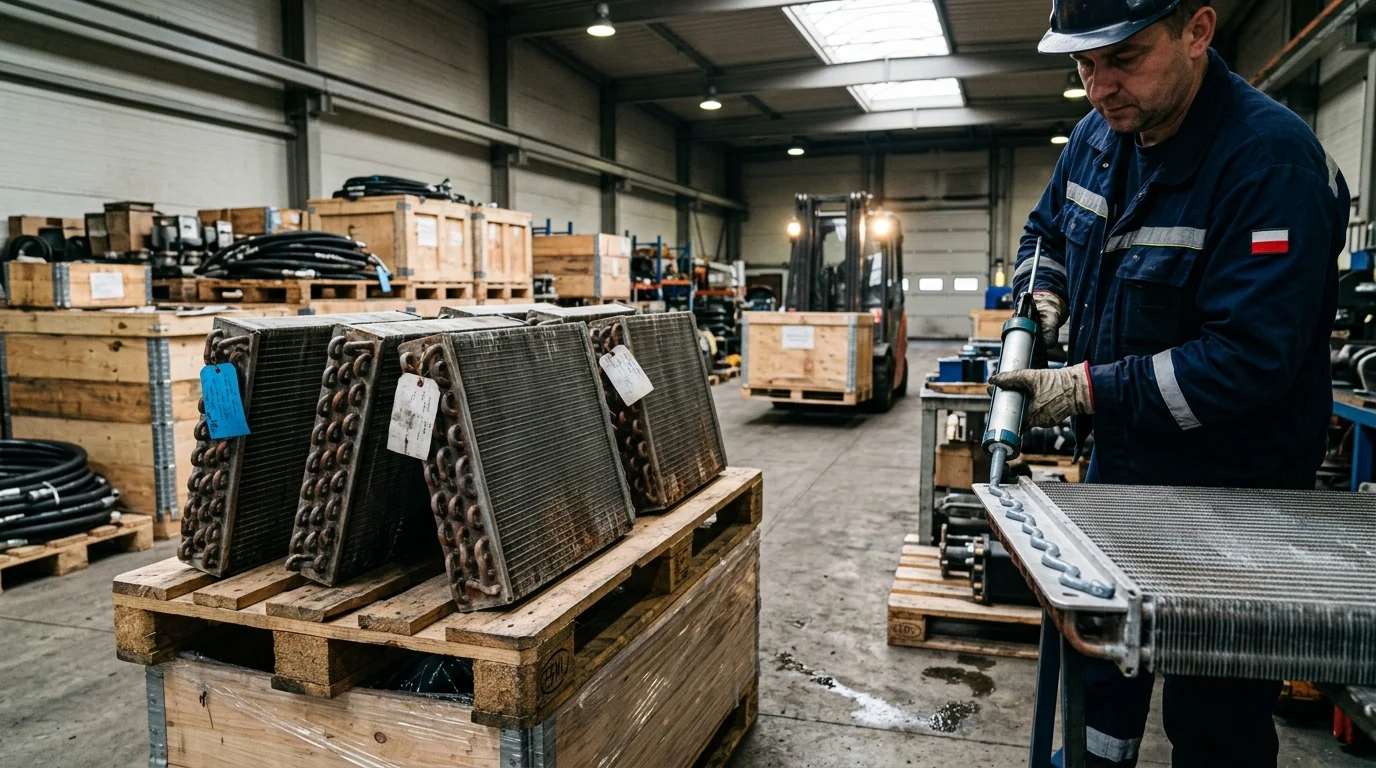
Addressing the persistent failure of electromagnetic coils in mining environments requires a fundamental shift from standard epoxy potting to advanced, highly engineered sealing technologies. By upgrading the encapsulation methods, mining operators can effectively isolate sensitive copper windings and pilot assemblies from corrosive and abrasive external elements, thereby drastically extending component longevity.
Sealing options and performance trade-offs
Selecting the appropriate sealing material involves balancing thermal dissipation, mechanical resilience, and overall lifecycle cost. Traditional epoxy resins offer excellent rigidity but are prone to micro-cracking under the severe vibration and thermal shock typical of excavation equipment. Polyurethane provides better flexibility but may degrade under prolonged exposure to specific hydraulic fluids or intense UV radiation.
In contrast, advanced thermoplastic overmolding—utilizing specialized polyamides or fluoropolymers—delivers superior ingress protection and impact resistance. This advanced sealing adapts seamlessly to dynamic stresses while maintaining the structural integrity of the coil housing.
| Sealing Material | Thermal Conductivity (W/m·K) | Max Operating Temp (°C) | Expected Ingress Protection | Relative Cost Index |
|---|---|---|---|---|
| Standard Epoxy | 0.20 – 0.35 | 130 | IP65 / IP67 | 1.0 |
| Polyurethane | 0.25 – 0.40 | 105 | IP67 | 1.2 |
| Thermoplastic Overmold | 0.45 – 0.65 | 180+ | IP69K | 1.8 |
Implementation, testing, and supplier qualification
Implementing these advanced sealing techniques requires rigorous field testing and stringent supplier qualification. In the Polish case study, prototype coils featuring advanced thermoplastic overmolding were subjected to accelerated life testing before full-scale deployment in the pit. This protocol included a rigorous 1,000-hour salt spray test and continuous thermal shock cycling from -40°C to +125°C to simulate years of environmental stress in a matter of weeks.
Furthermore, successful implementation hinges on partnering with suppliers that maintain comprehensive quality management systems. Manufacturers specializing in customized valve islands, heavy-duty actuators, and specialized electromagnetic coils provide the necessary technical foundation. By ensuring that components like dual-power modules and robust junction boxes meet the exact specifications of the heavy extraction equipment, operators can guarantee that the upgraded sealing technologies will perform reliably under real-world mining conditions.
Applying the Case Study in Maintenance Planning
The successful deployment of advanced sealed coils in Polish coal mines offers a compelling blueprint for heavy industry maintenance planning. By integrating these high-durability components into standard procurement and service protocols, maintenance managers can transition their operations from a reactive, break-fix repair model to a proactive, reliability-centered strategy.
Criteria for selecting sealing solutions
When selecting sealing solutions for future maintenance cycles, planners must evaluate the specific micro-environment of each machine component. For instance, coils utilized in submersible drainage pumps or high-temperature steam valves require fundamentally different chemical and thermal resistance profiles compared to those mounted on the primary excavation booms or pulse control instruments.
The financial justification for adopting these advanced, seemingly more expensive components is highly robust. Maintenance logs from the Polish case study revealed that replacing standard units with IP69K-rated, overmolded coils extended the Mean Time Between Failures (MTBF) from a baseline of 4,000 hours to over 15,000 hours. Consequently, despite the higher initial procurement cost, the mining facilities realized up to a 45% reduction in annualized component replacement costs when factoring in both the price of replacement parts and the expensive mechanical labor required in hazardous zones.
Key lessons for maintenance strategy
A critical lesson for overarching maintenance strategy is the importance of systemic component upgrades rather than isolated, piecemeal fixes.
Key Takeaways
- The most important conclusions and rationale for Case Study: Extending Coil Life in Polish Open-Pit Coal Mines Through Advanced Sealing Techniques
- Specs, compliance, and risk checks worth validating before you commit
- Practical next steps and caveats readers can apply immediately
Frequently Asked Questions
Why do coils fail so quickly in Polish open-pit coal mines?
Moisture, coal dust, vibration, and thermal breathing penetrate standard IP65 housings, causing corrosion and short circuits. In the case study, many conventional coils failed within 3 to 6 months.
Which sealing method performed best for mining coils?
Thermoplastic overmolding performed best. It offers higher ingress protection, better impact resistance, and stronger durability under vibration and temperature swings than standard epoxy or polyurethane.
Is upgrading from IP65 coils worth the extra cost?
Usually yes. Higher-sealed coils cost more upfront, but they can reduce replacements, unplanned stoppages, and maintenance labor on bucket-wheel excavators and conveyor systems.
What conditions should replacement coils be tested for?
Test for high humidity, coal dust ingress, vibration, thermal cycling, hydraulic-fluid exposure, and wide temperatures from about -25°C to +40°C to match Polish mine conditions.
How should suppliers be qualified for ruggedized mining coils?
Choose suppliers with proven solenoid R&D, mining or heavy-equipment references, documented ingress ratings, material compatibility data, and field-testing support before full deployment.
Post time: Jun-03-2026