
Introduction
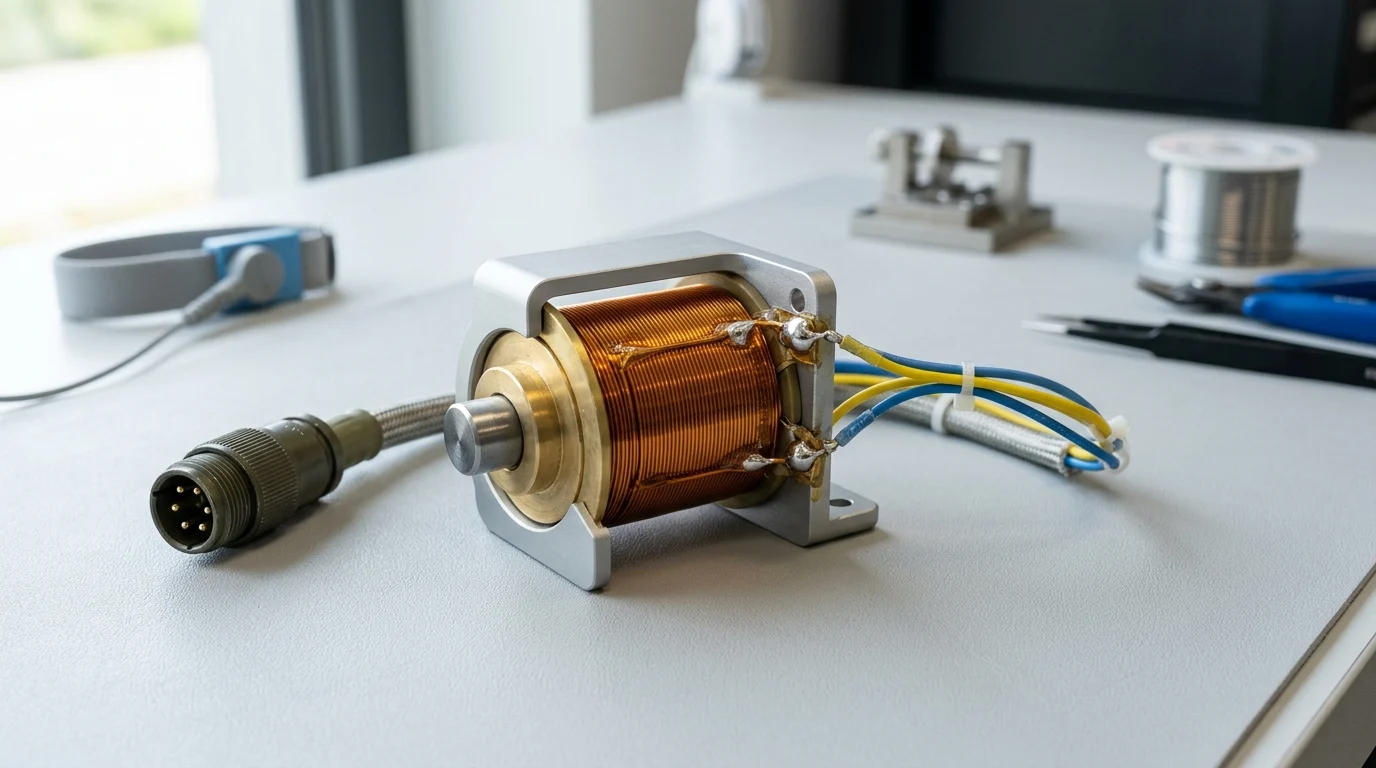
European aerospace and defense programs demand solenoid coil assemblies that keep working through vibration, temperature extremes, contamination, and long service intervals. In that environment, soldering chemistry is not a minor process detail: no-clean flux can directly influence electrical integrity, corrosion risk, and manufacturing consistency. This article explains why no-clean flux is increasingly favored for coil terminations, how it helps avoid solvent entrapment and residue-related failures, and what it takes to align assembly methods with strict high-reliability expectations. The discussion also connects material choice, process control, and inspection practices so readers can better evaluate designs and production strategies for mission-critical actuators and valves.
Why No-Clean Flux Matters in Solenoid Coil Assembly
In the demanding sectors of European aerospace and defense, the reliability of electromechanical components is non-negotiable. Solenoid coils, which serve as the critical actuation mechanisms in fluid control, pneumatic systems, fuel regulation, and environmental control units, must operate flawlessly under extreme environmental stress. To meet these stringent reliability standards, manufacturers increasingly rely on specialized assembly techniques, notably the integration of no-clean flux during the soldering process.
The adoption of no-clean flux mitigates specific risks associated with traditional flux removal, particularly the entrapment of cleaning solvents within tightly wound coil assemblies. By optimizing the soldering chemistry and assembly workflow, defense contractors and aerospace engineers can achieve component failure rates below 1 part per million (PPM). This exacting tolerance ensures that mission-critical valves and actuators maintain absolute structural and electrical integrity throughout their operational lifecycles.
Defining no-clean flux and solenoid coil assembly
Solenoid coil assembly involves winding conductive copper wire around a durable bobbin—often manufactured from glass-filled nylon or liquid crystal polymer—and terminating the delicate wire ends to robust external connectors or printed circuit boards. During the soldering of these terminations, flux is applied to remove surface oxidation and ensure a strong metallurgical bond. Traditional fluxes require rigorous post-solder cleaning to remove corrosive residues. However, no-clean flux is engineered with low-solids formulations that leave behind a benign, non-conductive, and non-corrosive residue, intentionally designed to remain on the assembly without degrading electrical performance.
For component manufacturers like Feiniu (Ningbo) Electronic Technology Co., Ltd., which specializes in the research and development of electromagnetic valves, coils, and actuators, mastering advanced termination techniques is essential. Integrating no-clean flux into the production of complex pilot components, pulse valves, and dual-power modules prevents the capillary action that can draw harmful cleaning fluids deep into the coil windings. Eliminating the wash cycle thereby preserves the critical insulation resistance of the device and prevents internal degradation over time.
Performance requirements in aerospace and defense
European aerospace and defense applications are governed by rigorous regulatory frameworks, such as the EN 9100 quality management system and European Space Agency (ESA) ECSS directives. Components deployed in these environments must withstand severe operational extremes, including temperature fluctuations ranging from -55°C to +125°C, high-frequency mechanical vibration, and prolonged exposure to vacuum or high-humidity conditions.
In these high-stress environments, active flux residues left by improper cleaning can attract ambient moisture, leading to dendritic growth—microscopic metallic filaments that bridge conductive paths and cause fatal electrical short circuits. Because high-quality no-clean flux residues encapsulate the solder joint in a protective, chemically inert polymer layer, they eliminate the risk of electrochemical migration. This ensures that solenoid-driven mechanisms, ranging from heavy-duty gearbox solenoids to precision drainage valves, maintain continuous, reliable actuation without sudden electrical degradation.
Comparing No-Clean Flux Assembly Processes
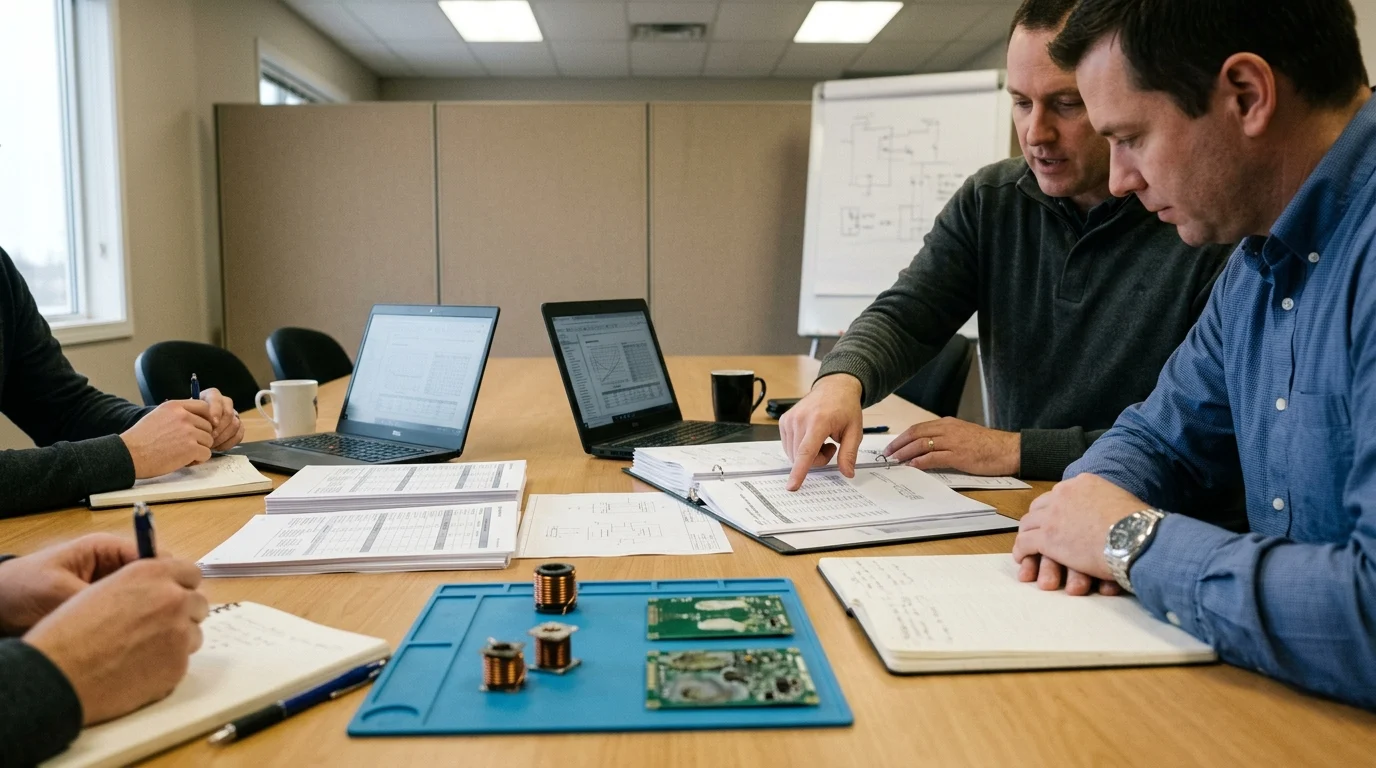
Transitioning to a no-clean soldering process for solenoid coils requires a comprehensive understanding of how different flux formulations interact with the specific materials used in aerospace electromechanical assemblies. The decision to forgo post-solder cleaning is not merely a matter of skipping a production step; it represents a fundamental shift in process engineering, thermal profiling, and quality validation.
Comparing assembly processes highlights the distinct advantages and inherent challenges of utilizing no-clean flux. Manufacturers must weigh factors such as residue hardness, pin-testability, and long-term chemical stability against the immediate manufacturing efficiencies gained by eliminating aqueous or solvent-based wash cycles.
Key process comparison criteria
To understand the value of no-clean processes, procurement engineers must evaluate them against traditional alternatives based on residue behavior, entrapment risks, and defect rates. The primary concern in solenoid coil manufacturing is the risk of fluid entrapment, which can compromise the dielectric strength of the coil’s polyimide or polyurethane wire insulation. A thorough comparison reveals why aerospace assemblers favor no-clean methodologies for densely wound components.
The following table compares standard flux categories used in modern electromechanical assembly:
| Flux Category | Post-Soldering Residue | Cleaning Requirement | Risk of Coil Entrapment | Typical Defect Rate |
|---|---|---|---|---|
| Water-Soluble | Highly corrosive | Mandatory (Aqueous) | High (water trapped in windings) | 0.10% – 0.50% |
| Rosin Mildly Activated (RMA) | Tacky, insulating | Optional / Recommended | Moderate (solvent required) | 0.05% – 0.20% |
| No-Clean | Hard, benign, non-corrosive | None | Minimal (no liquid wash used) | < 0.05% |
Process control, inspection, and validation
Implementing a no-clean flux process demands exacting process control, particularly during the thermal reflow or automated soldering stages. The flux must reach its specific activation temperature to properly volatilize the carrier solvents and render the remaining residue completely inert. If the thermal profile is too cold, the residue remains active and potentially corrosive; if it is too hot, the flux may burn, leading to brittle solder joints, poor aesthetics, and failed visual inspections.
Validation of these processes relies heavily on advanced inspection methodologies tailored for high-reliability sectors. While Automated Optical Inspection (AOI) verifies the physical geometry, volume, and wetting of the solder joint, chemical validation remains paramount for aerospace compliance. Manufacturers utilize Resistivity of Solvent Extract (ROSE) testing and Ion Chromatography to ensure that ionic contamination remains strictly below the aerospace threshold of 1.56 micrograms of NaCl equivalent per square centimeter, guaranteeing long-term reliability in the field.
Selecting Manufacturing and Procurement Partners
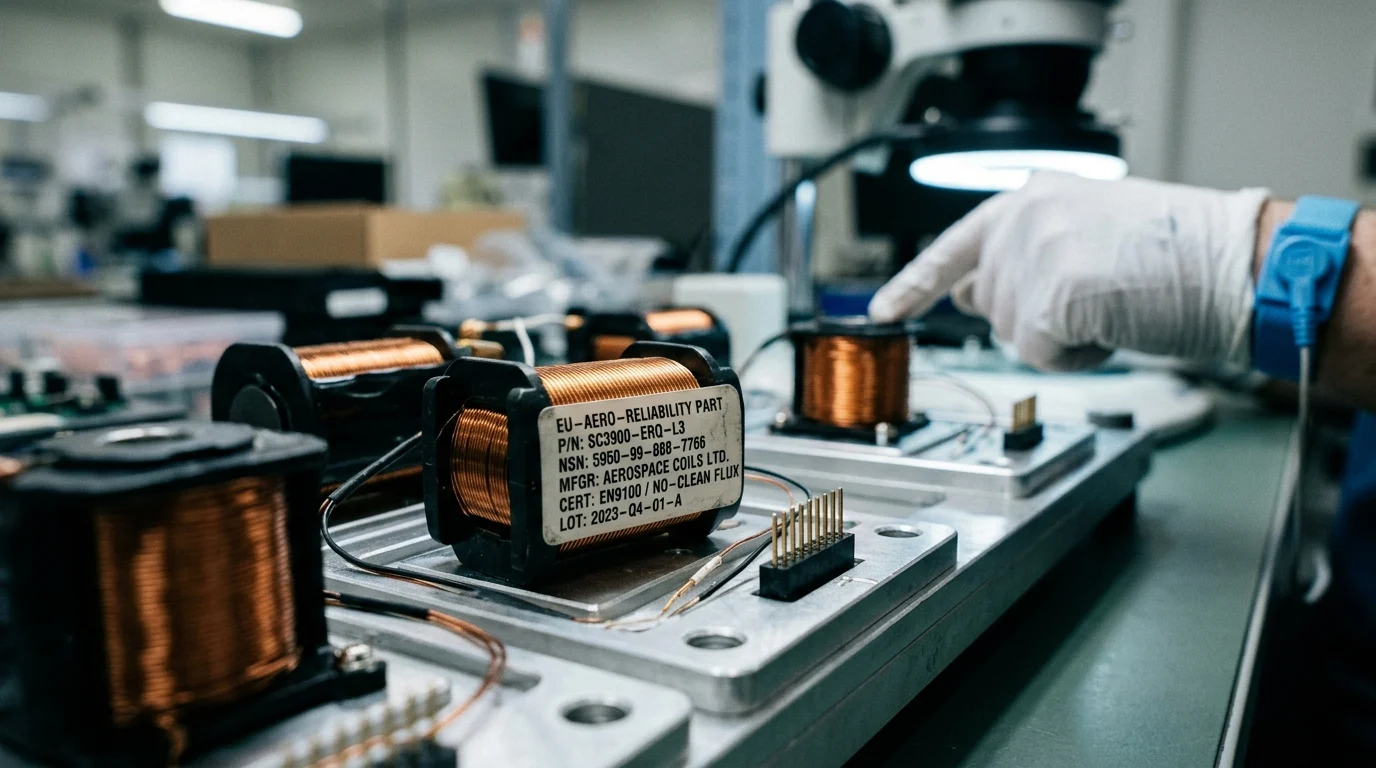
Sourcing highly reliable solenoid coils and electromechanical valves for European defense and aerospace projects requires partnering with manufacturers capable of executing strict process controls. The integration of no-clean flux is only one variable in a complex matrix of engineering capabilities, traceability requirements, and quality management systems that an ideal supplier must possess.
An effective procurement strategy focuses on evaluating a supplier’s holistic manufacturing environment. From the production of customized terminal boxes to advanced pulse controllers and valve islands, the partner must demonstrate a proven ability to scale operations, maintain transparent communication, and adhere to the uncompromising standards dictated by the aerospace sector.
Qualification steps for supplier evaluation
The qualification of a
Key Takeaways
- The most important conclusions and rationale for No-Clean Flux and Solenoid Coil Assembly: Meeting High-Reliability Standards for European Aerospace and Defense
- Specs, compliance, and risk checks worth validating before you commit
- Practical next steps and caveats readers can apply immediately
Frequently Asked Questions
Why is no-clean flux preferred for aerospace solenoid coil assembly?
It avoids post-solder washing, reducing trapped solvent inside tight windings and helping preserve insulation resistance and long-term reliability.
What reliability benefit can no-clean flux provide in defense applications?
With a controlled process, it can support failure rates below 1 PPM for mission-critical valves, actuators, and coil terminations.
How does no-clean flux help meet European aerospace standards?
It supports stable solder joints and low electrochemical risk, helping assemblies align with EN 9100 and ESA-style reliability expectations.
What problems can traditional cleaning create inside solenoid coils?
Cleaning fluids can wick into the windings, remain trapped, and later reduce dielectric strength or trigger internal degradation.
Which solenoid products benefit most from no-clean assembly?
Densely wound coils used in electromagnetic valves, pilot components, pulse valves, and dual-power modules benefit most because they are hardest to clean safely.
Post time: Jun-01-2026