
Introduction
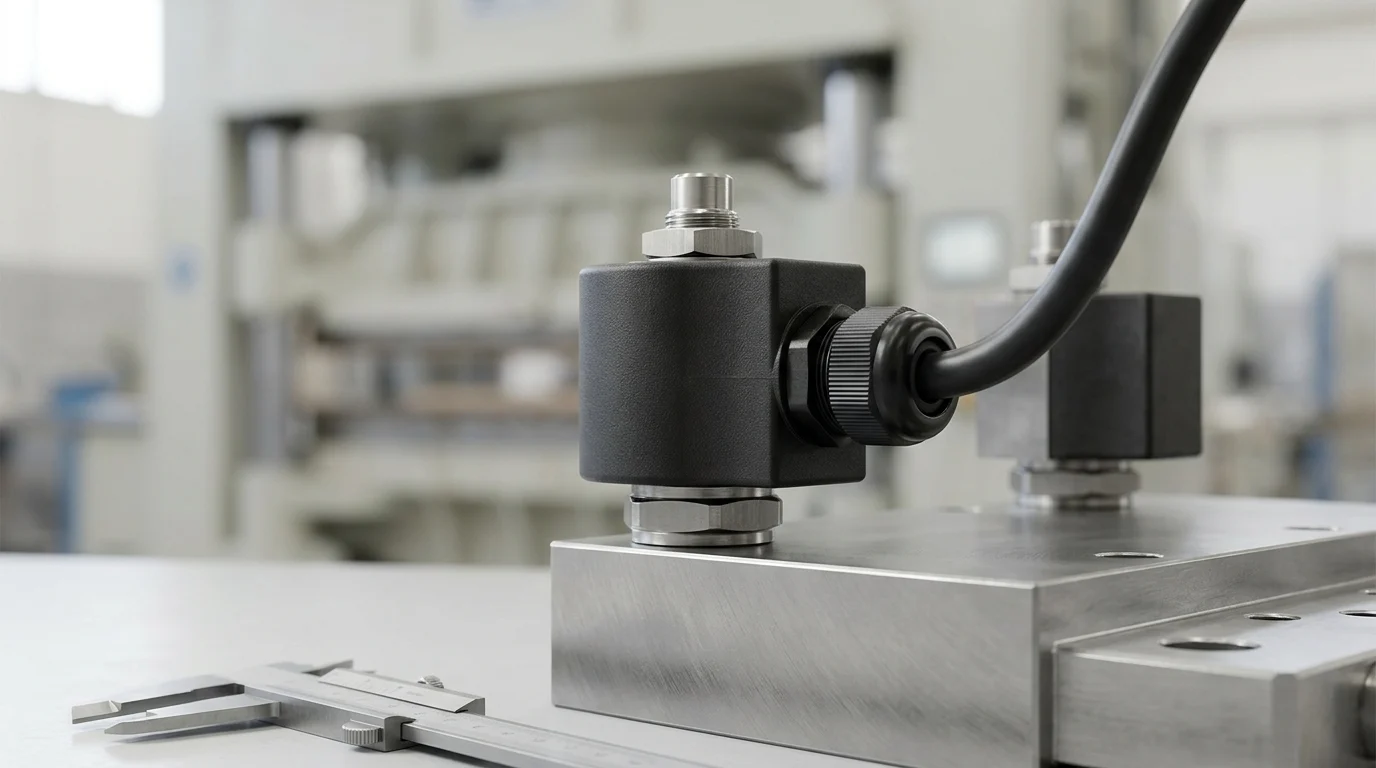
In one Italian ceramic tile plant, recurring solenoid coil failures had become a major source of hydraulic downtime, interrupting high-pressure press operations and eroding expected component life. This case study examines how maintenance engineers traced the problem not to normal wear, but to electrolytic corrosion developing within the coil environment and electrical interfaces. It outlines the operating conditions, failure patterns, diagnostic findings, and corrective measures used to stabilize performance on continuous-cycle presses. Readers will see how corrosion-driven degradation can be identified early, why it is often misdiagnosed, and what practical design and maintenance changes can significantly improve coil reliability in demanding ceramic manufacturing lines.
Case study framing for improving solenoid coil reliability
The Italian ceramic tile manufacturing sector, particularly centralized in the Sassuolo industrial district, relies heavily on continuous-cycle hydraulic presses to form high-density porcelain stoneware. Inside these massive hydraulic systems, precise directional control valves and their actuating solenoid coils dictate the immense fluid pressures required for powder compaction. When a solenoid coil fails unexpectedly, the entire production line halts, disrupting the synchronized flow from spray dryers to firing kilns.
In a recent operational audit of a major Italian facility, maintenance engineers identified solenoid coil degradation as the leading cause of hydraulic faults, accounting for nearly 35% of all unplanned mechanical downtime across their high-tonnage press fleet.
Unplanned coil failures in ceramic tile presses
Continuous tile presses operate under extreme dynamic parameters, frequently maintaining hydraulic system pressures exceeding 400 bar and executing up to 15 high-speed pressing cycles per minute. In this relentless, high-stress environment, standard OEM solenoid coils were failing at an alarming rate of every 3,000 to 4,000 hours of operation, falling drastically short of their expected 10,000-hour industrial lifespan.
Each individual failure incident resulted in an average of 45 to 60 minutes of line stoppage. When factoring in idle labor, energy waste, and scrapped raw materials, these interruptions incurred production losses estimated at €4,500 per hour, severely impacting the plant’s overall equipment effectiveness (OEE).
Electrolytic corrosion and coil reliability
Diagnostic tear-downs and microscopic analyses of the failed components revealed that conventional thermal burnout was not the primary culprit. Instead, the extremely fine copper windings—often measuring just 0.15mm to 0.20mm in diameter—were physically severing due to electrolytic corrosion.
This insidious phenomenon occurs when a continuous DC voltage is applied to the coil in the presence of micro-moisture. The electrical potential difference transforms the damp environment into a microscopic electrolytic cell, driving an electrochemical reaction that rapidly oxidizes and dissolves the copper wire. This process steadily eats away at the conductor cross-section, eventually causing an open circuit and catastrophic valve failure without any prior warning signs.
Failure mechanisms behind poor solenoid coil reliability
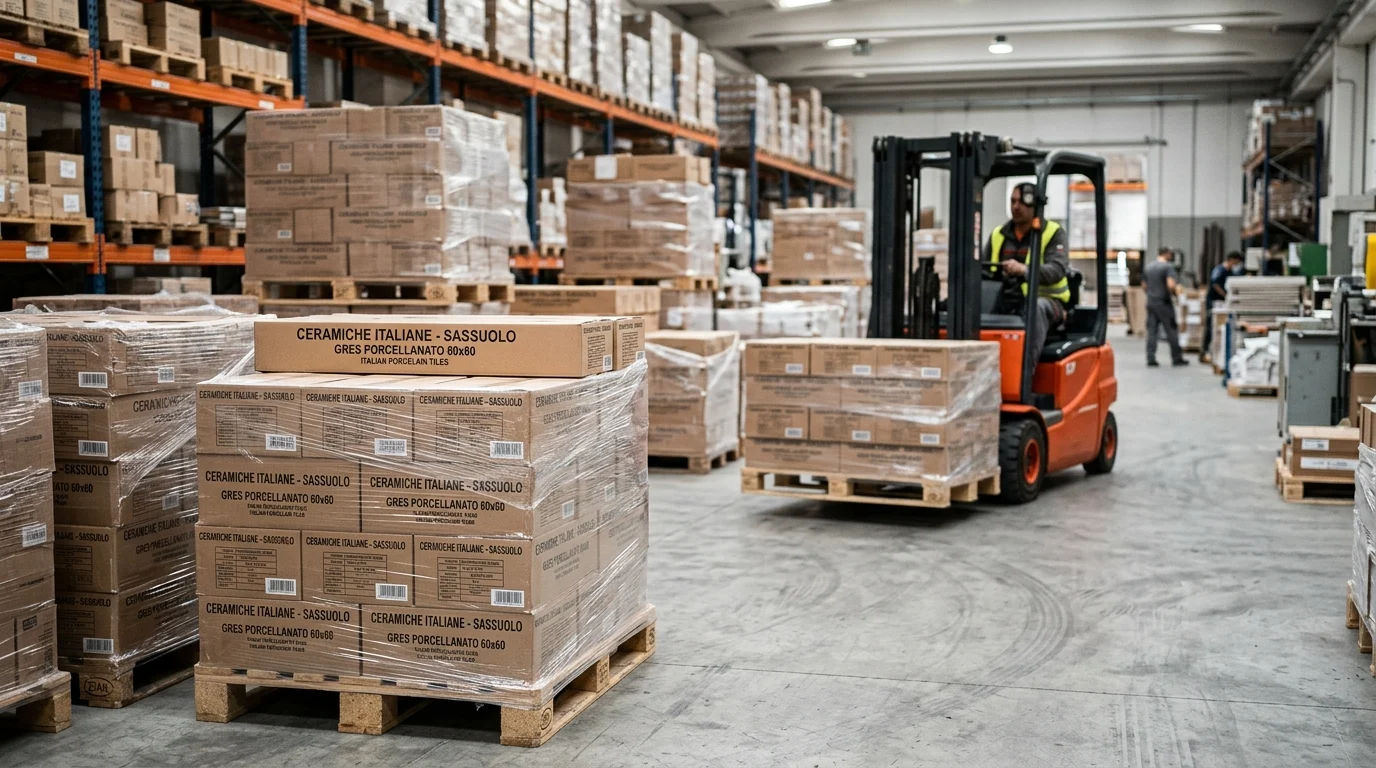
Understanding the root cause of these persistent electrical failures requires a deep analysis of the micro-environment directly surrounding the hydraulic power units. Ceramic pressing facilities inherently generate atmospheric conditions that accelerate both chemical and electrical degradation, turning minor vulnerabilities into major operational liabilities.
Operating conditions in ceramic tile press environments
The localized climate around a heavy-duty tile press is notoriously harsh and unforgiving for sensitive electronics. Ambient temperatures frequently exceed 55°C near the hydraulic manifolds due to fluid friction and mechanical heat dissipation. Simultaneously, the atmospheric humidity can consistently spike above 85% relative humidity (RH) as a byproduct of the wet milling, slip preparation, and clay atomization processes located nearby.
Furthermore, highly abrasive, fine ceramic dust permeates the ambient air. This airborne particulate settles heavily on the solenoid valves, forming a dense, hygroscopic layer. This dust coating actively absorbs and retains moisture from the humid air, creating a persistent, highly conductive moisture bridge across the coil’s outer plastic casing, microscopic cracks, and electrical connector terminals.
Comparing electrolytic corrosion with other failure modes
To implement a permanent and effective countermeasure, plant engineering teams must accurately differentiate electrolytic corrosion from other common failure mechanisms. Misdiagnosing the failure mode often leads to incorrect specification of replacement parts. The table below outlines the distinct characteristics, timelines, and visual indicators of typical solenoid coil failures in heavy industrial settings:
| Failure Mode | Primary Catalyst | Typical Time to Failure | Physical & Visual Indicators |
|---|---|---|---|
| Electrolytic Corrosion | Moisture ingress + continuous DC voltage | 3,000 – 4,000 hours | Green/blue copper salts, severed fine winding |
| Thermal Burnout | Persistent overvoltage or jammed mechanical armature | 100 – 500 hours | Melted plastic bobbin, charred insulation smell |
| Mechanical Fatigue | High-frequency hydraulic vibration and shock | 8,000+ hours | Cracked epoxy casing, broken connector pins |
While thermal burnout is rapid, violent, and highly visible to maintenance crews, electrolytic corrosion acts as a silent, progressive threat. It specifically targets continuous-duty systems operating in continuously damp, dust-laden environments, making it one of the most difficult failure modes to predict without specialized predictive maintenance tools.
Corrective actions to improve solenoid coil reliability
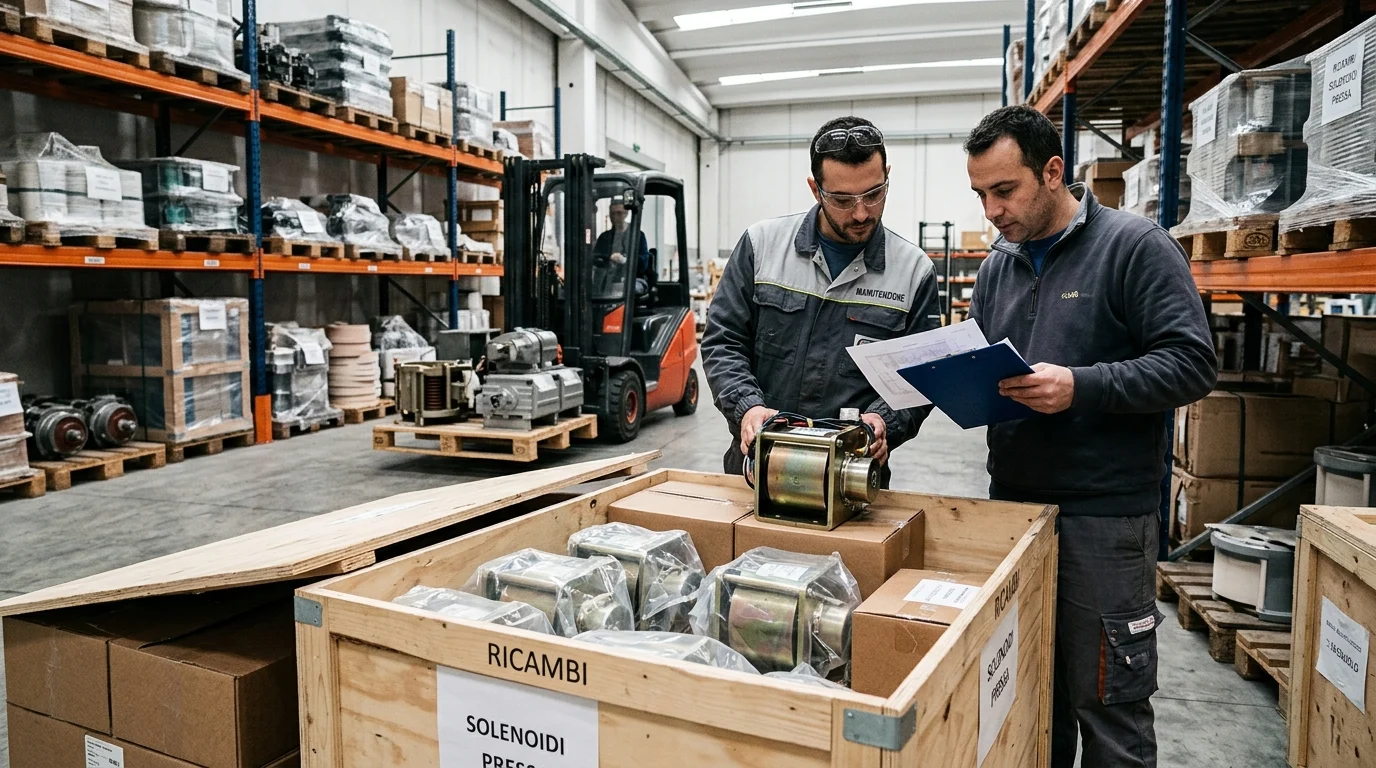
Eradicating electrolytic corrosion requires a comprehensive, multi-tiered approach that addresses both physical environmental shielding and sophisticated electrical control strategies. Facilities that successfully transition from reactive replacements to these proactive corrective actions can effectively double or triple their solenoid mean time between failures (MTBF), stabilizing production output.
Practical steps for maintenance and engineering teams
The most immediate defensive measure is radically upgrading the environmental sealing of the installed coils. Transitioning from standard DIN connectors with IP65 ratings to fully encapsulated coils featuring integrated cables and IP67 or IP69K ratings prevents ambient moisture from ever reaching the vulnerable copper windings.
Additionally, engineers can deploy dual-power control modules to modify the electrical load actively. By utilizing a high-power voltage pulse for the initial valve actuation (e.g., 24V DC for 50 to 100 milliseconds) followed immediately by a 50% voltage reduction (12V DC) for the prolonged holding phase, the electrical potential difference driving the electrolytic reaction is drastically minimized. Routine preventative maintenance schedules should also incorporate strict 500V megohmmeter testing to detect early insulation resistance breakdown before a full short circuit paralyzes the press.
Supplier qualification and replacement decisions
Ultimately, long-term reliability hinges on partnering with specialized manufacturers capable of delivering high-durability, custom-engineered components rather than off-the-shelf commodities. Sourcing teams must rigorously evaluate suppliers based on their quality management frameworks, targeting a maximum acceptable defect threshold of 50 parts per million (PPM).
Companies like Feiniu (Ningbo) Electronic Technology Co. provide these specialized components.
Key Takeaways
- The most important conclusions and rationale for Case Study: Improving Solenoid Coil Reliability in Italian Ceramic Tile Presses by Eliminate Electrolytic Corrosion
- Specs, compliance, and risk checks worth validating before you commit
- Practical next steps and caveats readers can apply immediately
Frequently Asked Questions
Why were the solenoid coils failing so often in the Italian tile presses?
The main cause was electrolytic corrosion, not simple overheating. Moisture, humidity, ceramic dust, and continuous DC voltage slowly attacked the fine copper windings until the coil opened.
How can maintenance teams recognize electrolytic corrosion in a failed coil?
Look for green or blue copper salts, broken fine winding wire, and no signs of melted plastic or burnt insulation. This pattern points to moisture-driven electrochemical damage.
What operating conditions in ceramic tile plants make coil corrosion worse?
High humidity above 85% RH, temperatures near 55°C around hydraulic manifolds, and hygroscopic ceramic dust create conductive moisture paths on coil surfaces and connectors.
How much production loss can one coil failure cause on a ceramic tile press?
A single failure can stop the line for 45 to 60 minutes. In the audited plant, downtime costs were about €4,500 per hour, plus scrap and energy waste.
What practical steps help improve solenoid coil reliability in these presses?
Use coils and connectors with better sealing, reduce moisture ingress, clean ceramic dust buildup, verify stable DC supply, and inspect terminals regularly for early corrosion signs.
Post time: May-28-2026