
Introduction
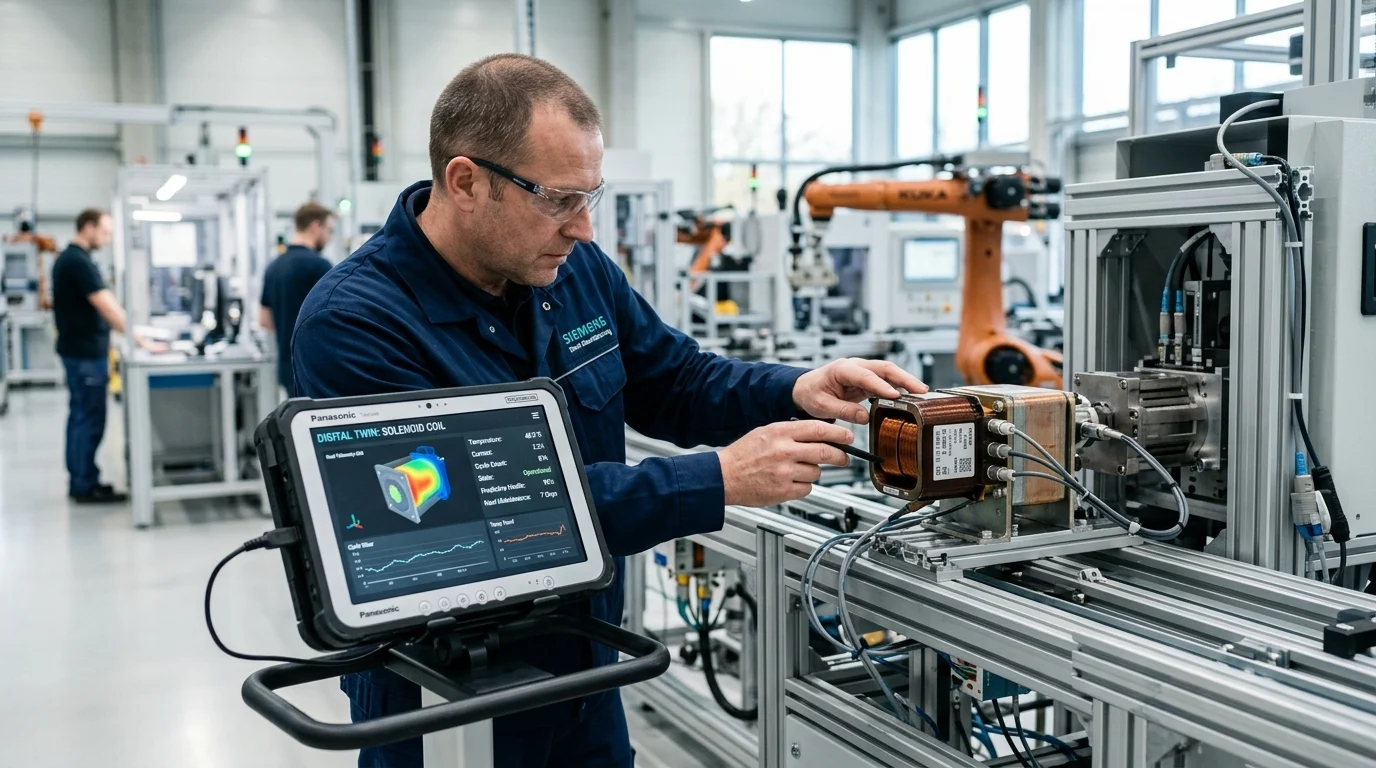
As European factories push deeper into automation, the reliability of small electromagnetic components can determine whether an entire production line runs smoothly or stops without warning. Digital twin technology gives solenoid coils a real-time virtual counterpart, making it possible to track electrical and thermal behavior, detect early performance drift, and schedule maintenance before failures escalate. This article explains how that model supports Predictive Maintenance 4.0, why it matters under strict uptime and efficiency targets, and what benefits manufacturers can expect in terms of lower downtime, better asset visibility, and more informed maintenance decisions.
Why Use Digital Twin Technology for Solenoid Coils
The integration of predictive maintenance 4.0 within European smart factories relies heavily on the virtualization of critical components. Digital twin technology creates a dynamic, real-time virtual replica of physical assets, allowing facility operators to simulate, monitor, and analyze operational states without interrupting production. For electromagnetic components, this shift marks a significant upgrade from reactive troubleshooting to proactive lifecycle management.
In highly automated environments driven by stringent European energy efficiency directives, sudden component failure can halt an entire production line, incurring severe financial penalties. Deploying a digital twin for these electromagnetic actuators enables continuous data synchronization between the physical factory floor and the cloud-based model, providing actionable insights into component health.
How digital twins improve uptime for solenoid coils
Implementing a virtual model drastically enhances operational uptime by predicting anomalies before they trigger a system halt. The digital twin continuously analyzes current draw and thermal signatures, comparing real-time operational data against baseline performance metrics. When deviations occur, the system alerts maintenance crews to intervene during scheduled downtime rather than amidst peak production.
By transitioning from a break-fix model to an analytics-driven approach, European manufacturers have recorded unplanned downtime reductions of up to 35%. This continuous monitoring ensures that the electromagnetic field strength and actuation speed remain within optimal parameters. By detecting micro-delays in millisecond response times, the system prevents cascading failures across interconnected pneumatic or hydraulic networks.
Common failure modes in solenoid coils and valve assemblies
Understanding the degradation paths of electromagnetic components is essential for accurate virtual modeling. The most frequent failure modes include insulation breakdown due to prolonged thermal stress, mechanical wear of the armature, and moisture ingress leading to short circuits. A digital twin simulates these stressors based on real-time environmental inputs.
For example, when operating temperatures consistently exceed the 155°C threshold of standard Class F insulation, the virtual model calculates the accelerated degradation of the copper winding. Additionally, the system tracks the actuation cycle count to predict fatigue in the valve assembly, ensuring replacements are ordered well before the mechanical springs or seals suffer catastrophic failure.
How to Design a Digital Twin for Solenoid Coils
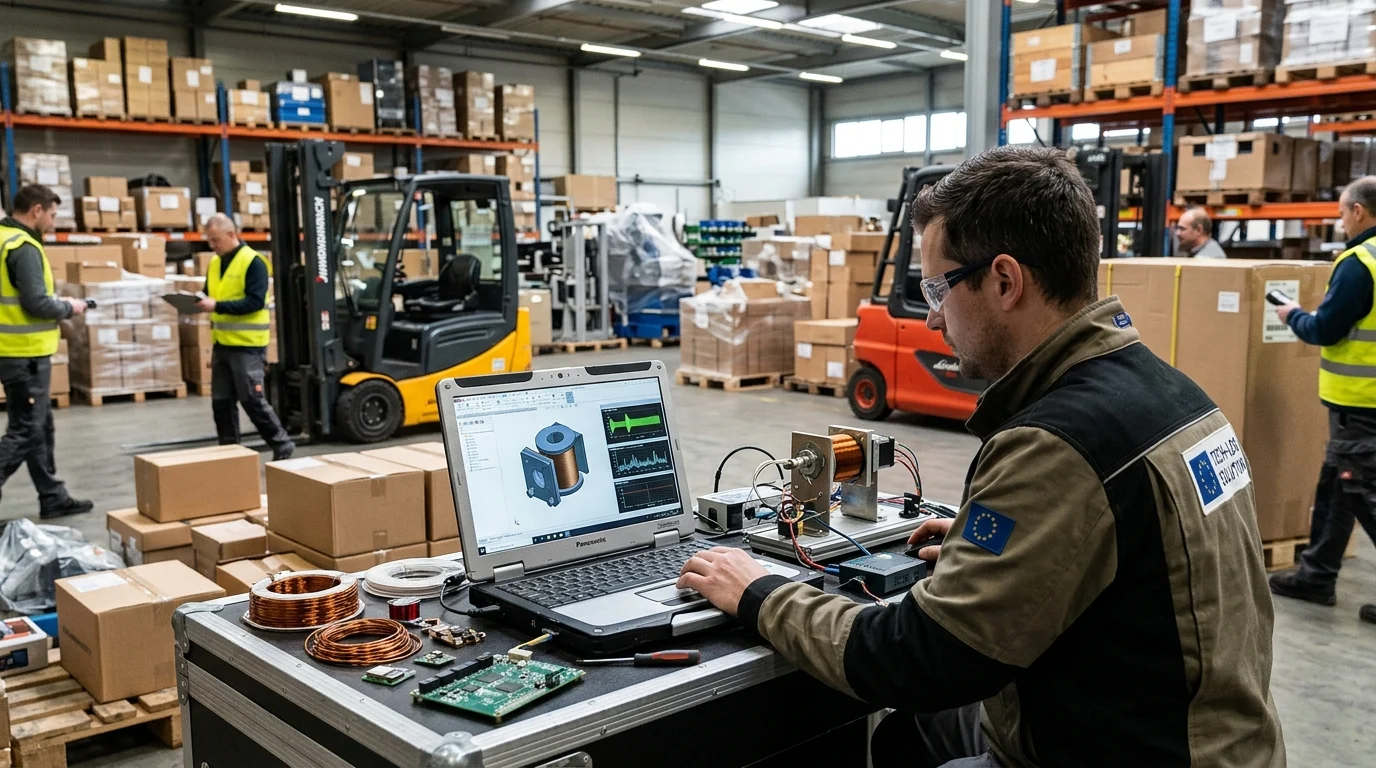
Constructing an effective virtual replica requires a robust architecture that bridges physical sensors with advanced analytics platforms. The design phase must establish clear parameters for data collection, industrial communication protocols such as OPC UA or MQTT, and the mathematical models used to interpret component behavior under varying loads.
Required operating data, model inputs, and performance metrics
A high-fidelity virtual model relies on precise and continuous telemetry. Critical inputs include voltage and current waveforms, coil surface temperature, ambient humidity, and the mechanical response time of the armature. Capturing the transient current during the initial energization phase is particularly important for identifying mechanical binding or internal friction within the valve.
To achieve sufficient resolution for predictive analytics, the system typically requires data sampling rates of at least 10 kHz during the actuation cycle. These performance metrics are fed into machine learning algorithms that calculate the remaining useful life (RUL) of the component. This high-frequency data ingestion allows operators to monitor flux density and thermal dissipation in real time, forming the backbone of the predictive engine.
Digital twin vs preventive maintenance comparison
Traditional preventive maintenance relies on static, calendar-based schedules, often resulting in premature part replacement or unexpected failures between service intervals. In contrast, digital twins utilize dynamic, condition-based triggers that adapt to the actual operational stress the component experiences on the factory floor.
| Feature | Preventive Maintenance | Digital Twin (Predictive 4.0) |
|---|---|---|
| Maintenance Trigger | Time or cycle count | Real-time condition and RUL |
| Resource Efficiency | Low (frequent unnecessary replacements) | High (maximized component lifespan) |
| Data Utilization | Historical averages | Continuous, high-frequency telemetry |
| Typical ROI Timeframe | 24 to 36 months | 12 to 18 months |
| Unplanned Downtime Risk | Moderate | Very Low |
This transition not only optimizes the procurement of spare parts but also significantly reduces the labor hours wasted on inspecting healthy components, driving down overall operational expenditure while keeping the production lines running efficiently.
How to Implement Digital Twin Technology
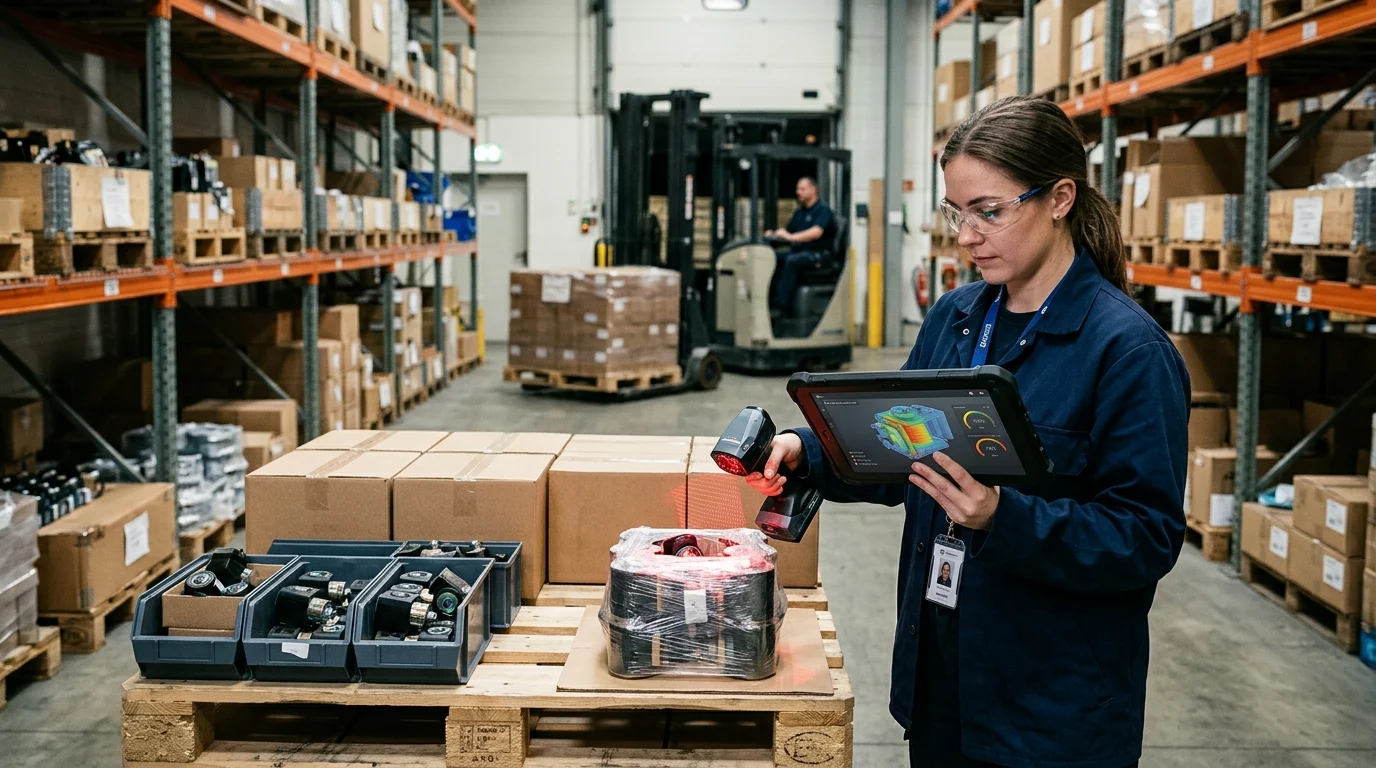
Deploying advanced predictive systems in established European smart factories demands a structured approach to minimize operational disruption. Successful implementation hinges on phasing the rollout, ensuring seamless communication between legacy programmable logic controllers (PLCs) and modern edge computing devices.
Step-by-step deployment to reduce integration risk
To reduce integration risk, facilities should adopt a phased deployment strategy. The first step involves a baseline audit to identify the most critical electromagnetic actuators within the production line. Once isolated, these components are retrofitted with non-invasive IoT sensors capable of measuring temperature and magnetic flux without altering the existing industrial wiring.
The subsequent phase focuses on establishing a low-latency data pipeline. Edge computing nodes process the high-frequency sensor data locally, filtering out noise and sending only relevant anomalies to the central cloud platform with a latency of less than 50 milliseconds. Finally, the machine learning models undergo a validation period where their predictions are cross-referenced with actual physical inspections before granting the system full predictive authority over maintenance scheduling.
How to evaluate suppliers of solenoid coils and valves
The efficacy of a predictive maintenance program is inherently tied to the quality of the physical components being monitored. When evaluating suppliers for electromagnetic actuators, valve islands, and pilot assemblies, manufacturers must prioritize partners with rigorous quality management systems and a proven track record in automotive and construction machinery applications.
For instance, specialized manufacturers like Feiniu (Ningbo) Electronic Technology Co. provide components designed to meet these rigorous industrial standards.
Key Takeaways
- The most important conclusions and rationale for Digital Twin Technology for Solenoid Coils: Predictive Maintenance 4.0 in European Smart Factories
- Specs, compliance, and risk checks worth validating before you commit
- Practical next steps and caveats readers can apply immediately
Frequently Asked Questions
What does a digital twin do for solenoid coils?
It creates a real-time virtual model of each coil, using live data to track temperature, current, and response time so maintenance teams can spot faults before line stoppages.
Which solenoid coil failures can a digital twin predict?
It commonly predicts insulation overheating, armature wear, moisture-related short circuits, and slower actuation caused by friction or valve assembly fatigue.
What data is needed to build a digital twin for a solenoid coil?
Use voltage and current waveforms, coil surface temperature, ambient humidity, actuation response time, and cycle count. High-speed sampling during energization improves fault detection.
How is a digital twin better than preventive maintenance?
Instead of fixed service intervals, it uses live condition data and remaining useful life estimates, helping European smart factories reduce unnecessary replacements and avoid unexpected downtime.
Which industrial protocols are typically used to connect solenoid coil twins?
OPC UA and MQTT are common choices. They let factory sensors send real-time coil data to analytics platforms or cloud systems without interrupting production.
Post time: May-28-2026