
Introduction
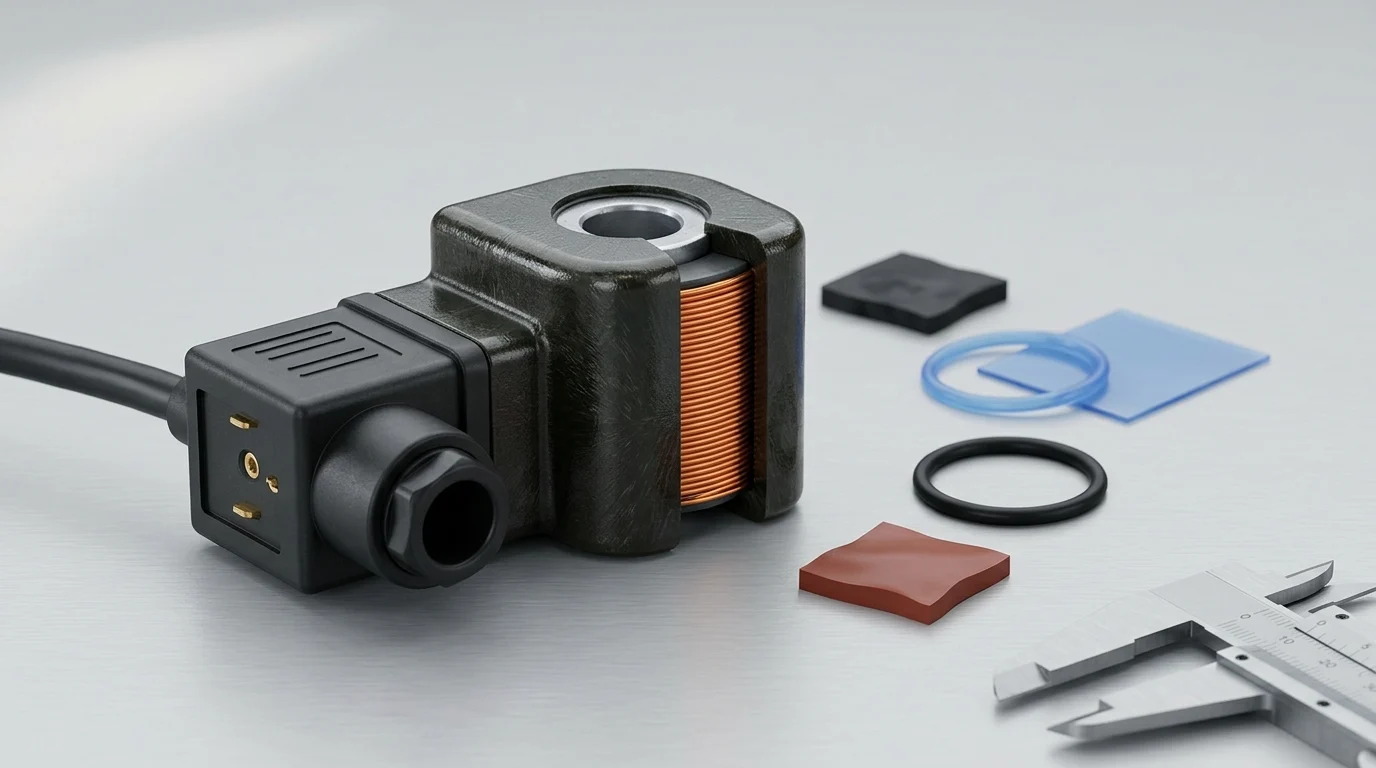
Selecting a solenoid coil for chemical service involves more than voltage, duty cycle, or ingress rating. In petrochemical, pharmaceutical, and water treatment environments, the coil’s encapsulation, insulation, and sealing materials must tolerate vapours, splashes, and washdowns without swelling, cracking, or losing dielectric strength. This guide explains how common coil materials respond to aggressive media, which failure mechanisms matter most in European process plants, and how to match material choices to operating conditions, compliance needs, and maintenance expectations. With that foundation, the following sections examine the material properties, compatibility factors, and application risks that drive reliable specification.
Why Chemical Resistance Matters for Solenoid Coils
In European process engineering, solenoid valves govern critical fluid control operations across petrochemical, pharmaceutical, and wastewater facilities. The durability of the solenoid coil itself is paramount, as the electromagnetic actuator must continuously withstand aggressive ambient atmospheres, accidental chemical splashes, and corrosive vapours without compromising performance.
Key failure modes caused by chemical exposure
Chemical exposure initiates several distinct failure modes within solenoid coil assemblies. The most prevalent issue is the degradation of the encapsulation polymer. When aggressive solvents or acids penetrate the outer shell, they cause volumetric swelling—often exceeding 15% in incompatible plastics—which induces severe mechanical stress on the internal copper windings. This stress can fracture the microscopic enamel coating on the wire, leading to internal short circuits.
Furthermore, chemical ingress compromises the dielectric integrity of the coil. A healthy industrial coil typically exhibits an insulation resistance greater than 100 MΩ, but continuous exposure to corrosive media can rapidly degrade this value to below 1 MΩ. This severe drop triggers catastrophic dielectric breakdown, resulting in immediate operational failure and potential damage to connected control systems.
How chemical resistance affects reliability and safety
The degradation of solenoid coils directly compromises plant reliability and operational safety. In hazardous European facilities governed by ATEX directives, a compromised coil housing can negate explosion-proof certifications, turning a standard component into a severe ignition risk. Unplanned valve failures disrupt process loops, leading to costly downtime or dangerous media releases.
From a reliability engineering perspective, chemical incompatibility can drastically reduce the Mean Time Between Failures (MTBF). A solenoid coil designed for a 100,000-hour lifecycle in benign conditions may experience an MTBF reduction to fewer than 5,000 hours if the encapsulation material is chemically degraded by surrounding caustic vapours. Ensuring material compatibility is therefore essential for maintaining Safety Integrity Level (SIL) ratings in modern process automation.
Best Solenoid Coil Materials for Chemical Resistance
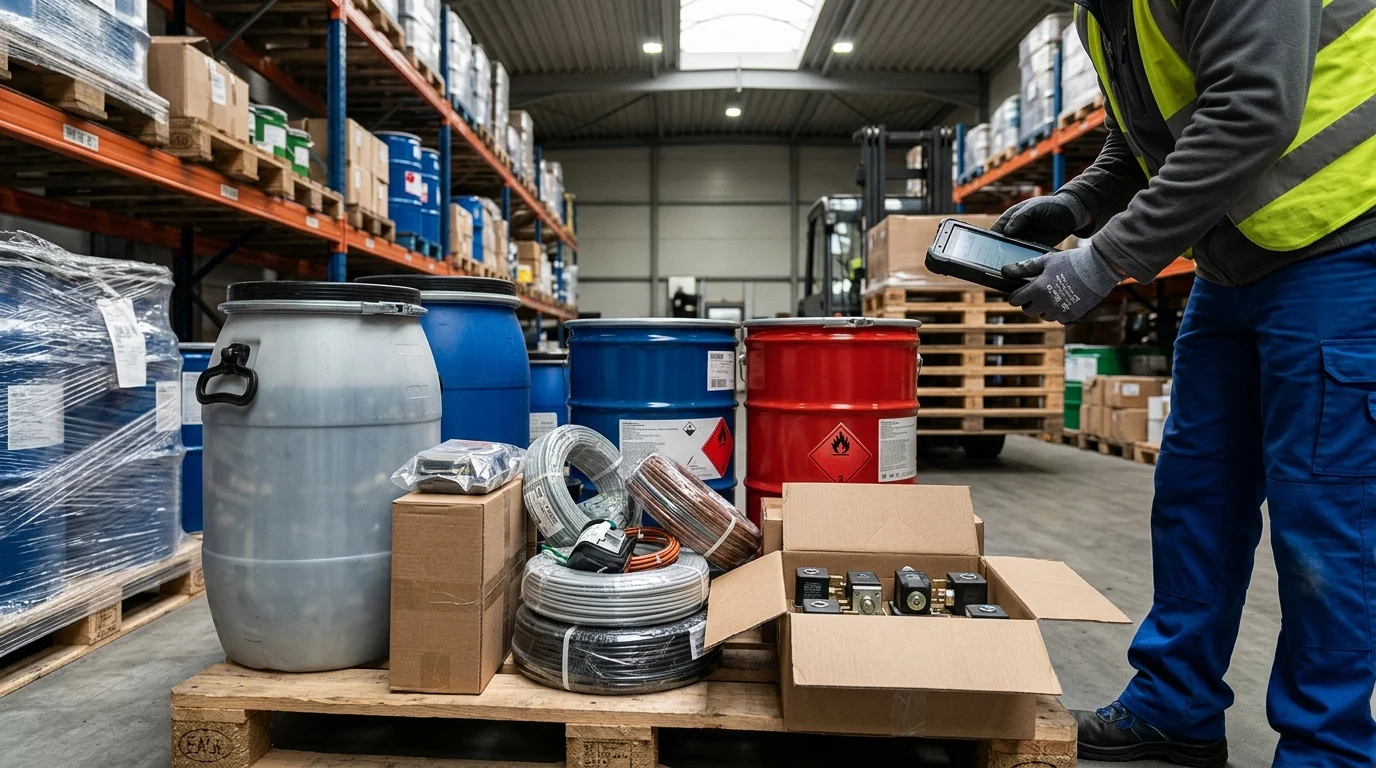
Selecting the optimal materials for solenoid coils requires a rigorous evaluation of the specific chemical environment. Process engineers must analyze the chemical composition, concentration, and ambient temperature of the surrounding media to specify the correct encapsulation, insulation, and sealing compounds.
Comparing housing, insulation, encapsulation, and seals
The architecture of a chemically resistant solenoid coil relies on a combination of robust external housings and resilient internal seals. Epoxy resins are frequently utilized for coil encapsulation due to their exceptional resistance to inorganic acids and alkalis, whereas Polyamide (PA) offers superior mechanical toughness but may degrade in highly acidic environments. For extreme chemical exposure, Polyphenylene Sulfide (PPS) housings provide top-tier resistance against a broad spectrum of solvents and hydrocarbons.
Sealing materials are equally critical to prevent fluid ingress at the armature tube interface. The selection between standard elastomers and high-performance perfluoroelastomers dictates the coil’s survival in aggressive media.
| Material Type | Primary Application | Chemical Resistance Profile | Max Operating Temp (°C) |
|---|---|---|---|
| Epoxy Resin | Encapsulation | Excellent against acids, bases, and salts | 155 (Class F) |
| PPS | Housing / Encapsulation | High resistance to solvents and hydrocarbons | 200 |
| FKM | O-Rings / Seals | Good against oils, fuels, and weak acids | 200 |
| FFKM | Critical Seals | Universal resistance (similar to PTFE) | 315 |
How to evaluate material performance across media
Evaluating material performance necessitates mapping the polymer’s chemical compatibility against process-specific media under actual operating conditions. A material that resists a specific chemical at 20°C may rapidly degrade when the ambient temperature reaches 80°C. Engineers must consult standardized chemical compatibility charts to verify volume swell limits and tensile strength retention.
For instance, coils operating in high-temperature steam environments require Class H insulation, certified to withstand internal hot-spot temperatures up to 180°C without dielectric degradation. When specifying coils for environments containing aggressive amines or concentrated sulfuric acid (>70%), standard FKM seals will embrittle and fail. In such scenarios, engineers must upgrade to FFKM or PTFE-jacketed seals to guarantee long-term hermeticity and prevent corrosive media from reaching the internal copper windings.
How to Specify and Validate Solenoid Coils
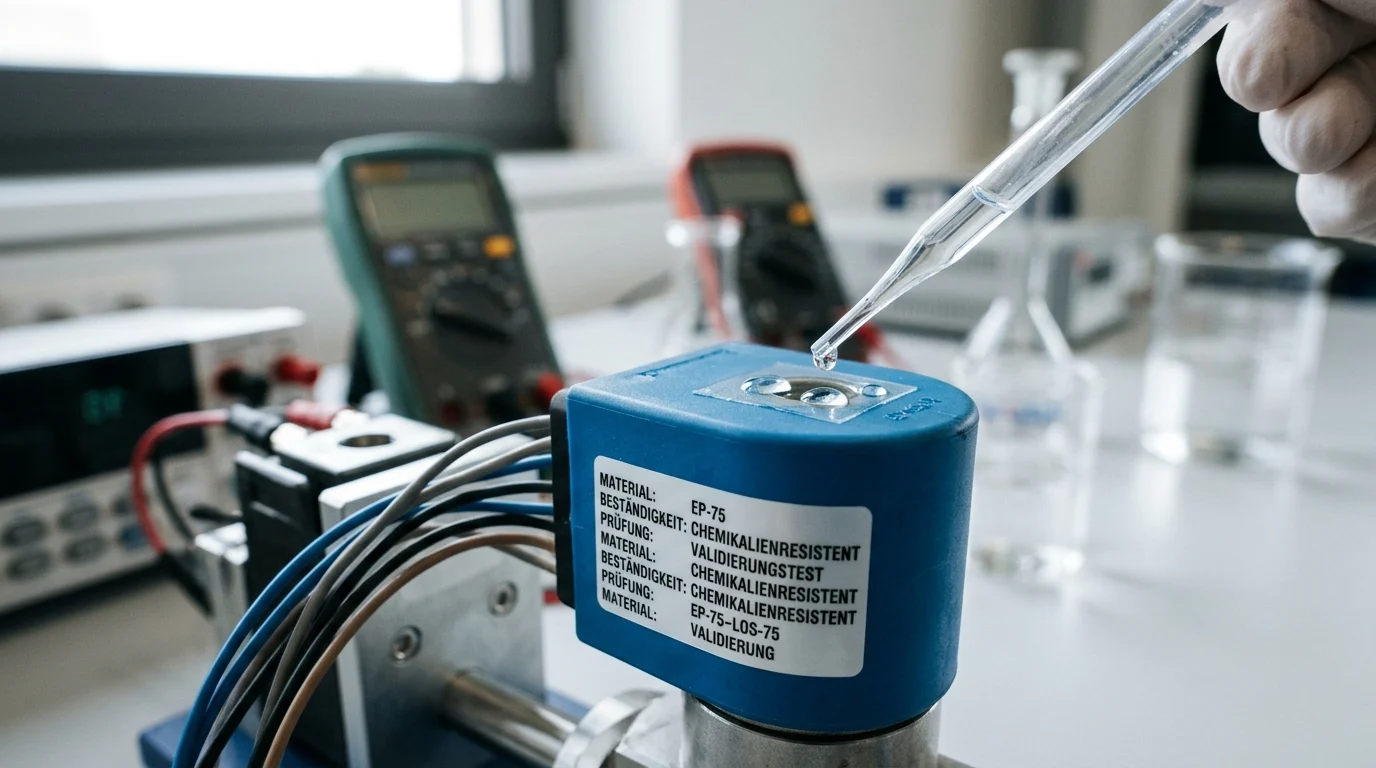
Translating material science into reliable procurement requires rigorous specification and validation protocols. European process plants demand strict adherence to international standards to ensure that the chosen solenoid coils will perform safely over their intended lifecycle.
Specification and qualification requirements
Proper specification begins with defining the required Ingress Protection (IP) rating and environmental testing parameters. For chemical washdown environments common in the pharmaceutical and food processing sectors, specifying an IP69K rating is often mandatory. This certification ensures the coil can withstand high-pressure cleaning at 80 to 100 bar with water temperatures reaching 80°C, alongside continuous resistance to alkaline cleaning agents.
Additionally, engineers must validate the coil against IEC 60068 standards for environmental testing, ensuring the encapsulation withstands thermal shock and salt mist exposure. Insulation systems must be qualified under IEC 60085, verifying that the dielectric strength remains stable even after prolonged exposure to the specified chemical atmosphere. Establishing these quantitative baselines prevents premature field failures.
Supplier selection and lifecycle considerations
Selecting a competent manufacturing partner is critical for securing high-quality, chemically resistant solenoid coils. Facilities should partner with suppliers who maintain robust quality management systems, such as ISO 9001 and IATF 16949, ensuring rigorous traceability and process control. Specialized manufacturers, such as FeiNiu (Ningbo) Electronic Technology Co., Ltd., provide extensive expertise in engineering custom solenoid valves, electromagnetic coils, pulse valves, and pilot assemblies tailored for harsh industrial environments.
When evaluating suppliers, process engineers should audit their historical defect rates, targeting a stringent standard of <50 PPM (Parts Per Million) for mission-critical components. Furthermore, lifecycle considerations must include accelerated aging tests and batch-level material certifications. This documentation guarantees that every deployed coil matches the validated prototype’s chemical resistance profile, securing long-term operational stability.
Key Takeaways
- The most important conclusions and rationale for Chemical Resistance of Solenoid Coil Materials: A Comprehensive Guide for European Process Engineers
- Specs, compliance, and risk checks worth validating before you commit
- Practical next steps and caveats readers can apply immediately
Frequently Asked Questions
Why is chemical resistance so important for solenoid coils?
Chemical attack can swell encapsulation, crack wire enamel, and drop insulation resistance below safe levels. This causes shorts, valve failure, and possible safety risks in critical process plants.
Which coil housing material is best for aggressive solvents and hydrocarbons?
PPS is usually the strongest choice for broad solvent and hydrocarbon exposure. It also handles higher temperatures better than many standard housing materials like PA.
When should FFKM seals be specified instead of FKM?
Use FFKM for concentrated acids, aggressive amines, or mixed chemical environments where FKM may embrittle or swell. It gives much wider chemical resistance for critical sealing points.
How should engineers check coil material compatibility before ordering?
Match the exact media, concentration, splash or vapour exposure, and operating temperature against compatibility charts. Always validate under real plant conditions, not room-temperature assumptions.
Can chemical damage affect ATEX or SIL-related reliability?
Yes. If the coil housing or seals degrade, dielectric integrity and enclosure performance can be lost. That can reduce reliability, increase failure rates, and jeopardize certified safety performance.
Post time: May-22-2026