
Introduction
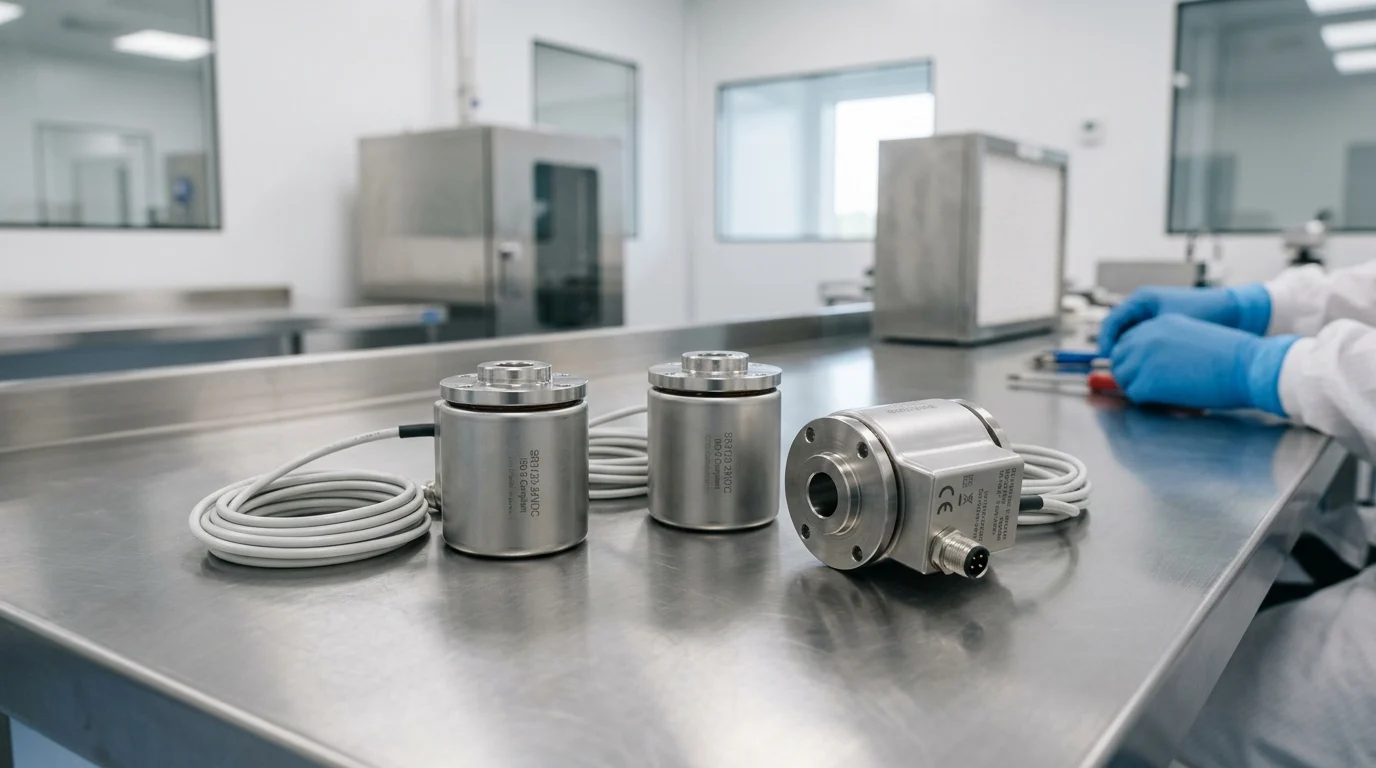
In European pharmaceutical plants and semiconductor fabs, solenoid coils do far more than switch valves: they influence contamination control, process stability, and equipment uptime. Cleanroom-compatible designs are engineered to limit particle generation, resist outgassing, and maintain reliable actuation under strict regulatory and production demands. That makes coil selection a practical engineering decision with direct consequences for sterile drug manufacturing, wafer yield, and maintenance risk. This article explains why these coils matter, which performance and material characteristics distinguish them from standard industrial options, and what European manufacturers should evaluate when specifying components for sensitive cleanroom systems.
Why Cleanroom-Compatible Solenoid Coils Matter in European Pharmaceutica
Solenoid coils serve as the electromechanical heart of fluid and gas control systems across European pharmaceutical and semiconductor manufacturing facilities. In these highly regulated environments, standard industrial coils are insufficient. Cleanroom-compatible variants are purposefully engineered to prevent micro-contamination while maintaining precise actuation under stringent European Medicines Agency (EMA) and local semiconductor fabrication standards.
The integration of specialized coils ensures that the overarching pneumatic and fluidic networks operate without introducing particulate matter or chemical vapors into sterile zones. As European manufacturers continue to scale production for advanced biologics and sub-5-nanometer microchips, the specification of these electromagnetic components has shifted from an afterthought to a primary engineering priority.
Contamination, uptime, and process-stability risks
The primary risks in cleanroom environments revolve around airborne particulate generation and molecular outgassing. Standard plastics and adhesives degrade over time, shedding microscopic debris that can ruin biological batches or corrupt intricate semiconductor wafers. For context, an ISO Class 5 cleanroom mandates a maximum of 3,520 particles measuring 0.5 µm or larger per cubic meter. A single non-compliant solenoid coil experiencing thermal degradation can shed enough material to exceed this limit within hours.
Furthermore, unexpected coil failure leads to catastrophic downtime. In modern European wafer fabrication plants or high-yield biological synthesis labs, unexpected production halts can incur financial losses exceeding €50,000 per hour. Consequently, ensuring coil longevity, preventing electrical shorts, and maintaining absolute process stability are non-negotiable requirements for facility operators.
Key operating demands in cleanroom environments
Cleanroom operations impose severe environmental stressors on electromagnetic components. Pharmaceutical facilities frequently utilize Vaporized Hydrogen Peroxide (VHP) sterilization and aggressive chemical washdowns, which rapidly corrode standard metallic housings and degrade basic wiring insulation. Coils must withstand these corrosive atmospheres without pitting, blistering, or losing structural integrity.
Additionally, semiconductor gas distribution panels demand continuous, uninterrupted operation. This requires coils rated for a 100% duty cycle (ED) without excessive heat generation. The operating environment dictates that components not only perform their primary actuation task flawlessly but also remain completely inert within the facility’s ambient atmosphere, resisting humidity, chemical exposure, and pressure fluctuations.
Technical and Compliance Criteria for Selecting Cleanroom-Compatible Sol
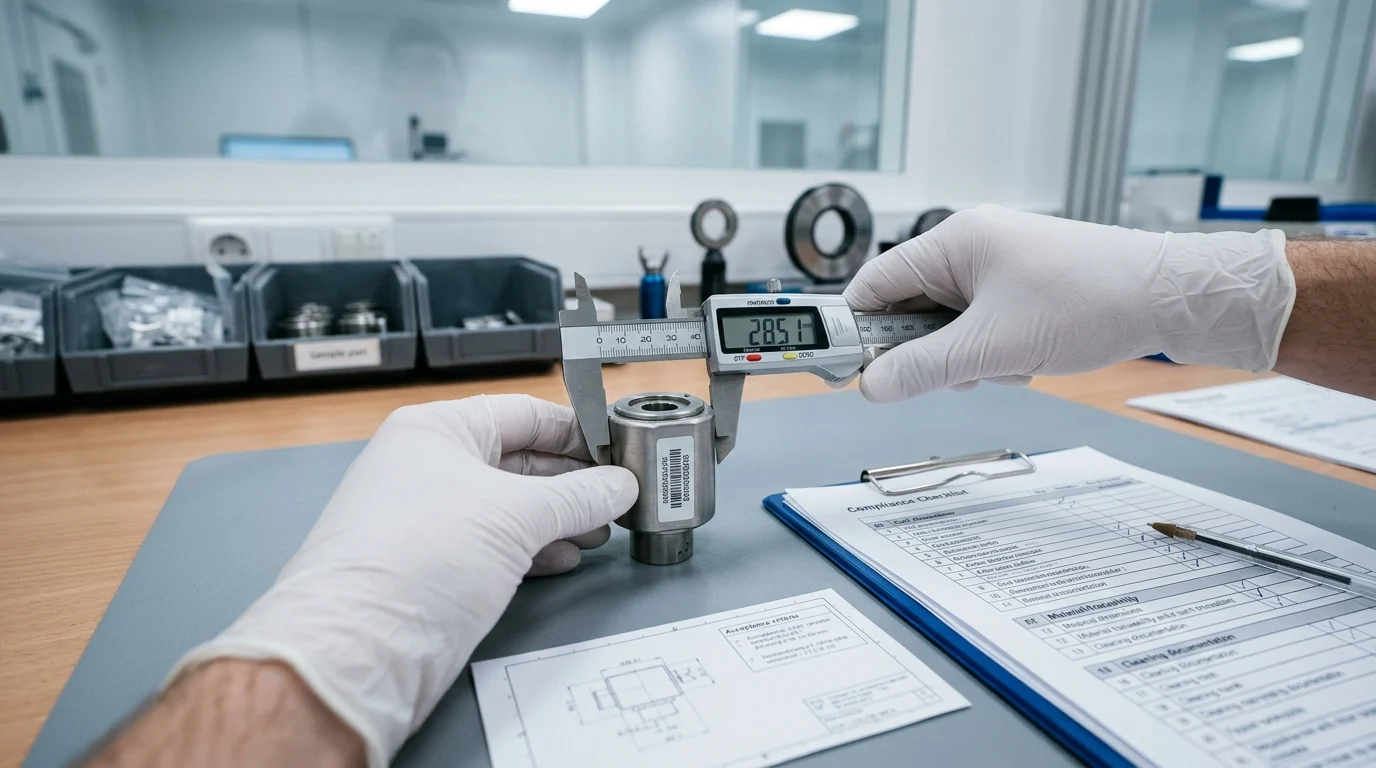
Selecting the appropriate cleanroom-compatible solenoid coil requires a rigorous evaluation of physical properties, thermal management strategies, and regulatory documentation. Engineers must specify components that align with both the fluidic parameters of the valve system and the stringent cleanliness protocols of the surrounding production environment.
Material, sealing, thermal, and particle-control requirements
Material selection dictates the contamination profile and durability of the coil. Encapsulation must be non-porous and chemically inert. High-grade epoxies, Polybutylene Terephthalate (PBT), and Polytetrafluoroethylene (PTFE) are standard choices to prevent particulate shedding. Sealing architectures typically require IP67 or IP69K ratings to withstand high-pressure, high-temperature washdowns without permitting moisture ingress.
Thermal management is equally critical; surface temperatures of the coil should ideally remain below 40°C during continuous actuation. Excessive heat can cause localized thermal updrafts, disrupting the meticulously balanced laminar airflow within the cleanroom and spreading potential contaminants.
| Encapsulation Material | Chemical Resistance | Thermal Limit | Typical Cleanroom Application |
|---|---|---|---|
| High-Grade Epoxy | Moderate | 155°C (Class F) | General semiconductor gas panels |
| PBT (Glass-filled) | High | 180°C (Class H) | Pharmaceutical washdown areas |
| PTFE | Excellent | 200°C+ | Aggressive chemical/VHP zones |
Compliance, documentation, and performance trade-offs
European manufacturing requires strict adherence to regional compliance frameworks. Components must meet CE, RoHS, and REACH directives to ensure no hazardous substances outgas into the cleanroom atmosphere. In processing areas handling volatile solvents or combustible dust, ATEX certification for explosive atmospheres becomes a mandatory legal requirement.
A critical engineering trade-off often emerges between thermal performance and sealing density. Thicker, highly sealed encapsulation can trap internal heat, necessitating lower wattage designs or external heat sinks to prevent coil burnout. Buyers must demand comprehensive documentation, including outgassing test reports showing a Total Mass Loss (TML) of less than 1.0%, to verify that the coil will not compromise the environment over its operational lifespan.
How to Source, Validate, and Choose the Right Supplier
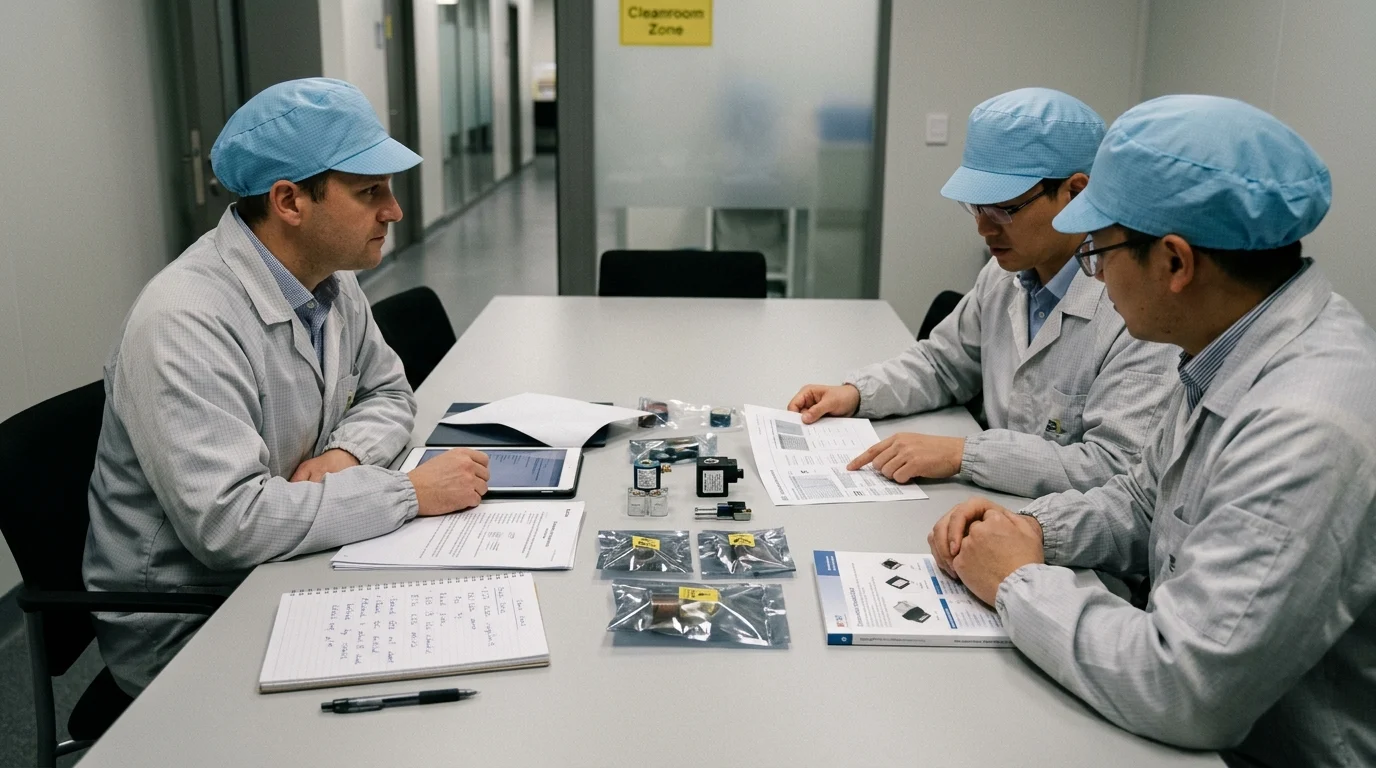
Identifying a capable manufacturing partner is the final critical step in deploying cleanroom solenoid coils. Sourcing requires evaluating a supplier’s production environment, internal quality assurance frameworks, and ability to provide customized, traceable solutions for specialized European manufacturing lines.
Qualification and testing steps for buyers
Buyers must implement stringent qualification protocols before approving a new solenoid coil supplier. First article inspection should include helium mass spectrometry leak testing, with acceptable leak rates strictly maintained below 1.0 × 10⁻⁹ mbar L/s to ensure absolute hermeticity of the sealed unit.
Thermal cycling tests, typically ranging from -20°C to +150°C over 100,000 actuation cycles, are necessary to validate that encapsulation materials will not crack or delaminate under operational stress. Furthermore, buyers should request particulate shedding data gathered during the factory acceptance testing (FAT) phase to ensure the component remains clean during continuous mechanical vibration.
How to compare supplier capability and support
Comparing suppliers requires looking beyond basic product catalogs to assess their internal manufacturing discipline. Specialized manufacturers, such as Feiniou (Ningbo) Electronic Technology Co., Ltd., focus heavily on robust R&D, stringent quality management systems, and specialized component production, including advanced solenoid coils and actuators.
When auditing potential partners, buyers should verify whether the supplier operates their own ISO Class 7 or Class 8 cleanrooms for the final assembly, wiping, and double-bag packaging of the coils. Supply chain flexibility is also paramount; ideal suppliers offer manageable minimum order quantities (MOQs) of 500 to 1,000 units for specialized cleanroom configurations, alongside reliable lead times of 4 to 6 weeks. This agility supports dynamic European production schedules and prototyping phases without requiring facilities to hold excessive, depreciating on-site inventory.
Key Takeaways
- The most important conclusions and rationale for Cleanroom-Compatible Solenoid Coils for European Pharmaceutical and Semiconductor Manufacturing
- Specs, compliance, and risk checks worth validating before you commit
- Practical next steps and caveats readers can apply immediately
Frequently Asked Questions
Why are cleanroom-compatible solenoid coils used in pharmaceutical and semiconductor facilities?
They reduce particulate shedding, resist chemical exposure, and support precise valve actuation without contaminating sterile or high-yield production areas.
What materials are best for cleanroom solenoid coil encapsulation?
High-grade epoxy, glass-filled PBT, and PTFE are common because they are non-porous, chemically inert, and low-shedding.
Which protection ratings should I look for in a cleanroom coil?
Choose coils with at least IP67 or IP69K if the area involves washdowns, humidity, or aggressive cleaning cycles.
What compliance documents should a European buyer request?
Ask for CE, RoHS, REACH, and ATEX where applicable, plus outgassing test data such as Total Mass Loss below 1.0%.
How do I avoid overheating issues in continuous-duty cleanroom applications?
Select 100% duty cycle coils with low surface temperature, and use lower wattage or heat-sinking if the encapsulation is highly sealed.
Post time: May-08-2026