
Introduction
In European oil and gas facilities, ESD solenoid coils are small components with outsized safety consequences: they must convert a shutdown signal into fast, dependable valve action under harsh, continuously energized conditions. This article examines the performance requirements that matter most in safety-critical service, including response time, reliability, functional safety compliance, environmental resistance, and long-term operating stability. It also explains how these requirements align with European offshore and onshore expectations, helping readers assess whether a coil is suitable for high-integrity shutdown duties and where specification gaps can introduce unacceptable operational and safety risk.
Why Emergency Shutdown (ESD) Solenoid Coils Matter
In the European oil and gas industry, safeguarding personnel, the environment, and high-value assets relies heavily on the efficacy of Emergency Shutdown (ESD) systems. At the heart of these safety-critical architectures lies the ESD solenoid coil, an electromechanical component responsible for translating electrical control signals into immediate mechanical action. While often a small fraction of the overall capital expenditure, the reliability of these coils determines whether a facility can safely isolate hazardous processes during an emergency.
Definition and Role in Safety Systems
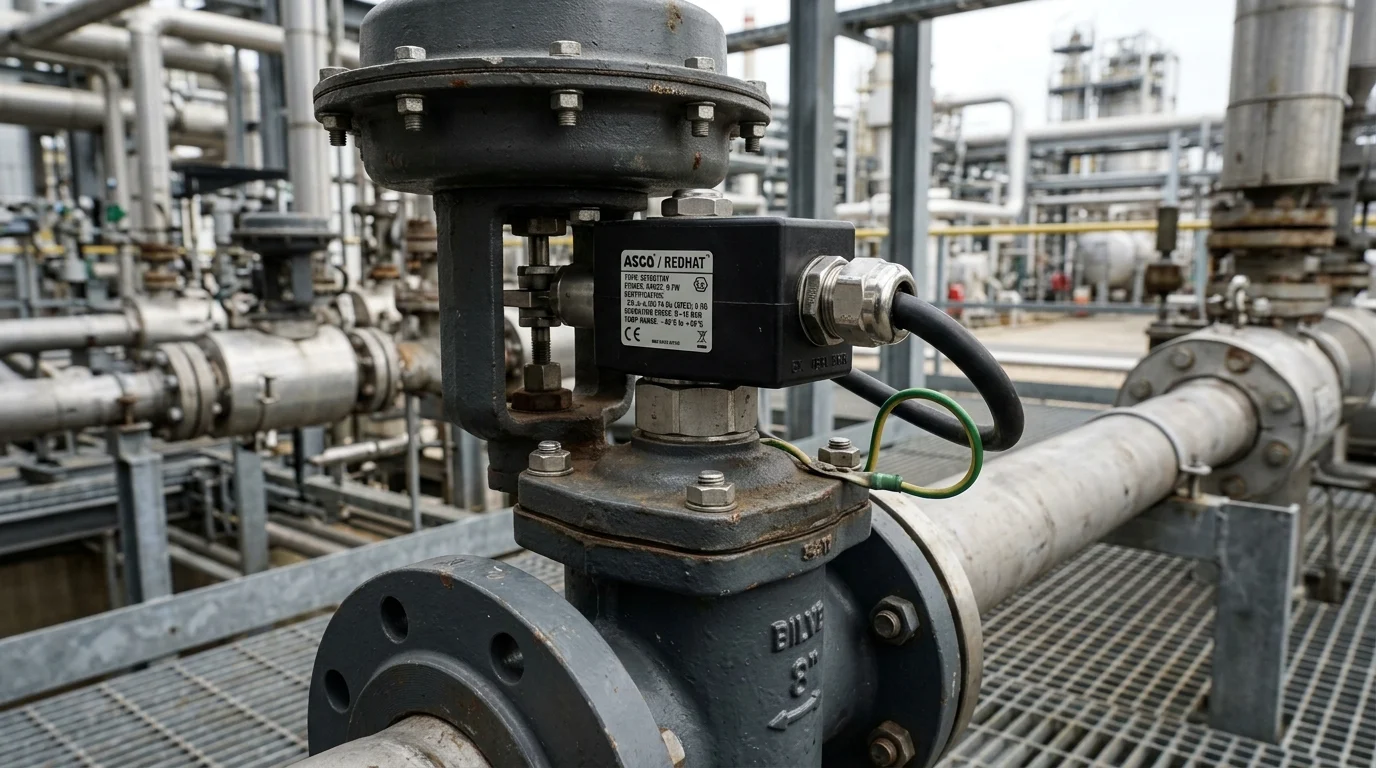
An ESD solenoid coil acts as the vital link between a facility’s logic solver and the final control element, typically a process valve. When an abnormal condition is detected, the safety instrumented system (SIS) de-energizes the coil, causing the pneumatic or hydraulic pressure holding the valve open to vent, thereby driving the valve to its fail-safe position.
Because European offshore and onshore installations adhere to stringent functional safety standards, these coils are engineered to meet Safety Integrity Level (SIL) 3 or SIL 4 requirements. To ensure immediate process isolation, the electromechanical response time of a high-performance ESD coil must reliably remain under 50 milliseconds, regardless of how long the unit has been continuously energized in the field.
Failure Risks and Operating Scenarios
The operational environment of European oil and gas facilities presents significant challenges to electromechanical components. A primary risk associated with solenoid coils is the “fail-to-operate” scenario, where coil degradation prevents the venting of actuator pressure during an actual emergency, leading to catastrophic blowouts or fires.
Conversely, spurious trips caused by premature coil failure or voltage fluctuations can halt production unnecessarily. In high-output environments like the North Sea or Mediterranean refineries, a single spurious trip can result in lost production and restart costs ranging from €100,000 to €500,000 per day. Operating scenarios also dictate that coils must withstand highly corrosive salt-laden air, constant vibration from heavy machinery, and exposure to aggressive hydrocarbons without compromising their magnetic flux integrity.
Performance Requirements for ESD Solenoid Coils
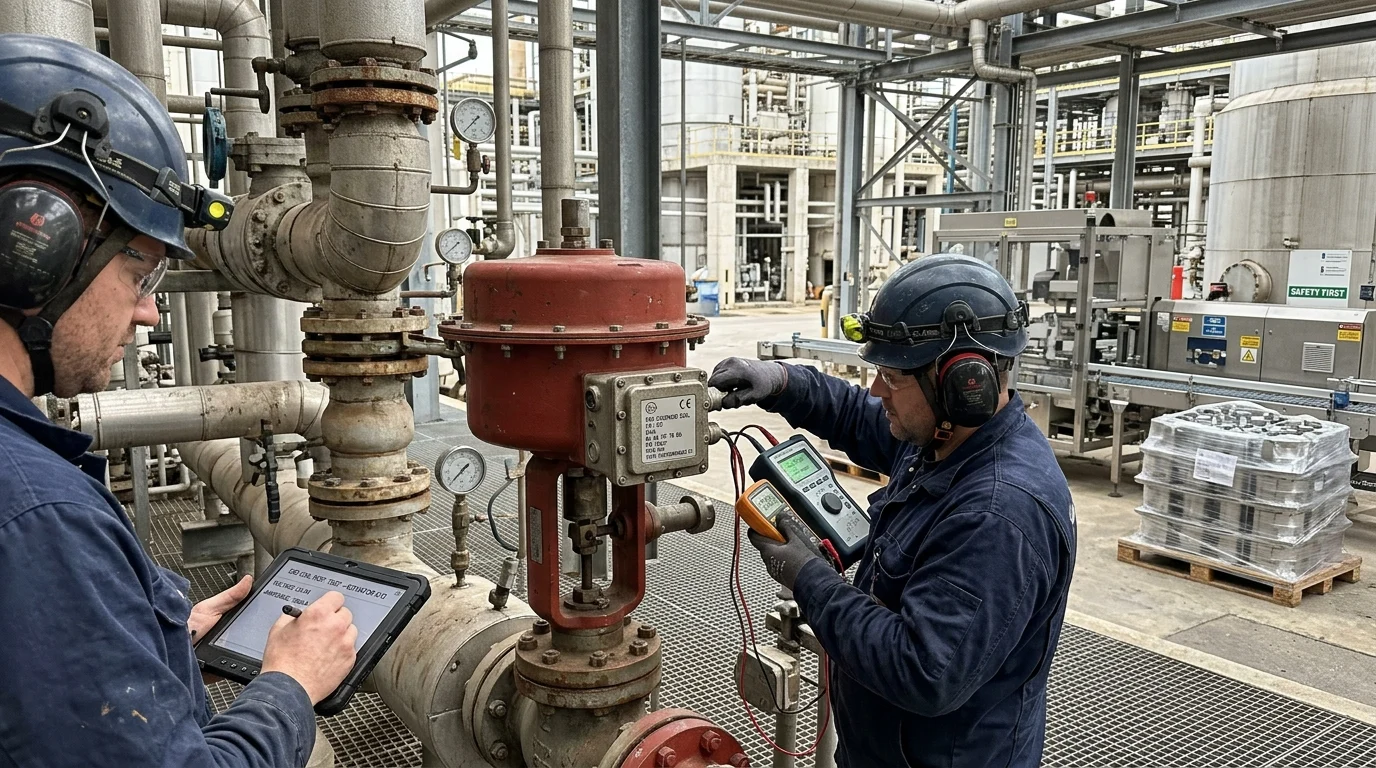
Meeting the rigorous demands of European safety frameworks requires ESD solenoid coils to adhere to exacting technical specifications. Engineering teams must evaluate these components across multiple physical and electrical dimensions to ensure they maintain structural and functional integrity under both normal and fault conditions.
Electrical, Thermal, and Environmental Specifications
To survive extreme industrial environments, ESD solenoid coils are manufactured with specialized materials and tight electrical tolerances. Standard operating voltages typically include 24V DC or 110/220V AC, but the coils must tolerate voltage fluctuations of ±10% to ±15% without dropping the load or overheating.
Thermal management is equally critical; premium coils utilize Class H insulation, which is rated for continuous operation at temperatures up to 180°C. This prevents the degradation of copper windings over time. Furthermore, environmental protection is mandated through IP66 or IP67 ingress ratings, ensuring absolute defense against heavy seas and high-pressure washdowns. Facilities operating in extreme climates require coils tested for ambient temperature ranges spanning from -40°C in Arctic conditions to +80°C in processing modules, while maintaining a low continuous power consumption profile, often between 1.8W and 5W, to minimize self-heating.
Comparing Reliability and Compliance
European regulatory frameworks heavily emphasize certified reliability. ESD coils must comply with the IEC 61508 standard for functional safety and hold ATEX or IECEx certifications for deployment in explosive atmospheres (Zone 1 and Zone 2). A critical metric evaluated by engineers is the Safe Failure Fraction (SFF), which must typically exceed 90% to qualify for SIL 3 applications in a simplex architecture.
| Specification | Standard Solenoid Coil | ESD-Rated Solenoid Coil |
|---|---|---|
| Safe Failure Fraction (SFF) | < 60% | > 90% (SIL 3 Capable) |
| Response Time | 100 – 200 ms | < 50 ms |
| Typical Insulation Class | Class F (155°C) | Class H (180°C) |
| Ex Certification | Optional / Safe Area Only | ATEX/IECEx Ex d or Ex m |
| Design Lifespan | 3 – 5 Years | 10 – 15 Years |
Comparing standard commercial coils to ESD-rated variants highlights the necessity of purpose-built components. The robust encapsulation and superior magnetic circuit design of ESD coils ensure that they do not succumb to the insulation breakdown or magnetic saturation that plagues standard coils during continuous energization.
Selecting ESD Solenoid Coils
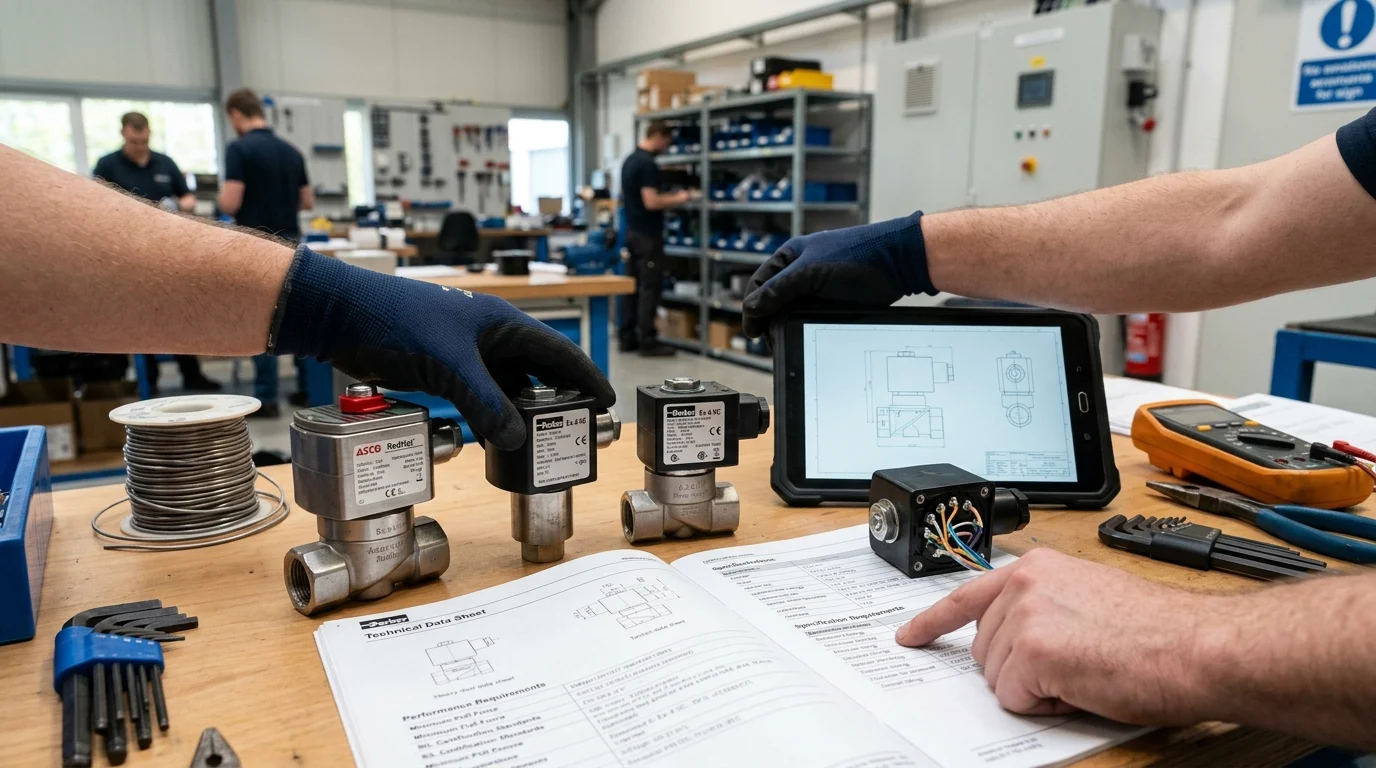
Selecting the appropriate ESD solenoid coil requires a strategic approach that balances upfront procurement costs with long-term operational safety. Operators must partner with manufacturers capable of demonstrating stringent quality control and comprehensive lifecycle testing to mitigate the risk of premature failure.
Qualification, Testing, and Quality Checks
Before an ESD coil is deployed in a safety-critical application, it must undergo exhaustive qualification and routine testing. Manufacturers with robust quality management systems, such as Feiniu (Ningbo) Electronic Technology Co., Ltd., implement strict protocols during the production of specialized electromagnetic components. Factory Acceptance Testing (FAT) for ESD coils typically involves 100% routine testing, including dielectric strength tests conducted at 1,500V AC to verify insulation integrity.
Furthermore, modern safety architectures utilize Partial Stroke Testing (PST) to periodically verify the coil and valve assembly’s functionality without disrupting the process flow. Coils must be designed to respond accurately to these micro-pulses, proving their operational readiness and ensuring the magnetic armature remains free of stiction after months of static operation.
Balancing Cost, Availability, and Safety
Procurement teams often face the challenge of reconciling project budgets with the uncompromising necessity of plant safety. While a standard industrial coil might cost as little as €50, a fully certified, ATEX-rated ESD solenoid coil commands a premium, with cost bands generally ranging from €200 to €600 per unit depending on the specific housing and SIL rating.
However, evaluating these components strictly on initial capital expenditure is a flawed strategy.
Key Takeaways
- The most important conclusions and rationale for Emergency Shutdown (ESD) Solenoid Coils: Performance Requirements for Safety-Critical Applications in European Oil & Gas
- Specs, compliance, and risk checks worth validating before you commit
- Practical next steps and caveats readers can apply immediately
Frequently Asked Questions
What is the role of an ESD solenoid coil in an emergency shutdown system?
It converts the SIS electrical signal into fast mechanical action, venting actuator pressure so the valve moves to its fail-safe position.
What response time should a safety-critical ESD solenoid coil achieve?
It should reliably stay under 50 milliseconds, even after long periods of continuous energization.
Which certifications are required for ESD coils in European oil and gas sites?
They should comply with IEC 61508 and have ATEX or IECEx certification for Zone 1 or Zone 2 explosive atmospheres.
What environmental protection should an ESD solenoid coil have?
Look for IP66 or IP67 ingress protection, plus resistance to salt spray, vibration, hydrocarbons, and temperatures from -40°C to +80°C.
How do ESD-rated coils differ from standard solenoid coils?
ESD-rated coils offer higher SFF, faster response, better insulation, explosion-proof certification, and a longer 10–15 year design life.
Post time: May-14-2026