
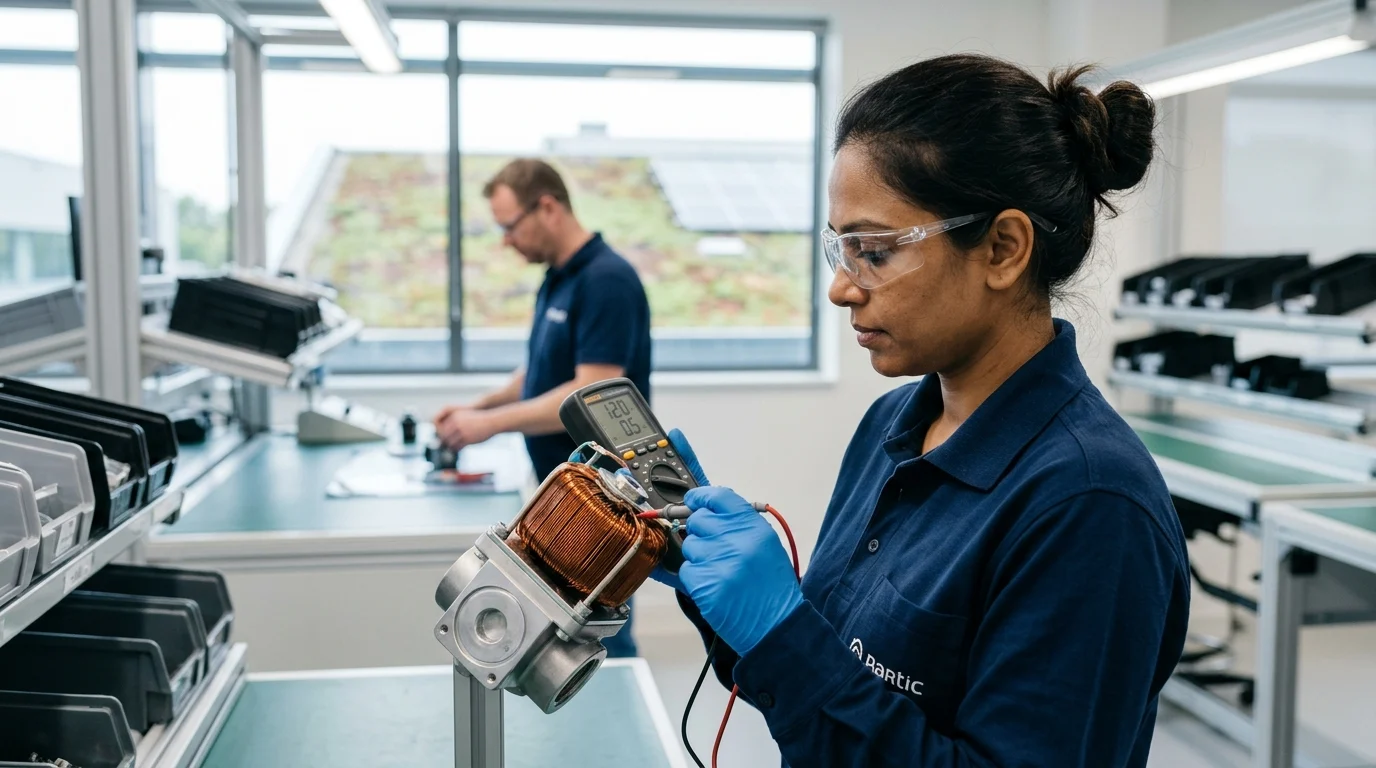
The EU’s decarbonization agenda is turning even small electromechanical components into strategic sourcing decisions. For manufacturers selling into Europe, solenoid coils are no longer judged only by voltage, force, or fit; their energy use, material profile, durability, and documentation can influence Scope 3 emissions, carbon costs, and market access. With the Fit for 55 pathway targeting a 55% emissions reduction by 2030 and net zero by 2050, procurement and engineering teams need suppliers that can support measurable carbon reduction. This article explains how advanced coil design, compliant materials, lifecycle transparency, and supplier certifications help customers align fluid control and automation systems with evolving EU requirements.
European Green Deal Compliance for Solenoid Coils
The European Green Deal has fundamentally reshaped industrial manufacturing, establishing a legally binding mandate to achieve net-zero greenhouse gas emissions by 2050. As part of the intermediate “Fit for 55″ package, industries operating within or exporting to the European Union must reduce emissions by at least 55% by 2030 compared to 1990 levels. For manufacturers of automotive systems, engineering machinery, and complex industrial automation, this requires a rigorous assessment of all supply chain components. Electromechanical parts, particularly solenoid valves and coils used in fluid control and pneumatics, are under intense scrutiny as companies race to meet these aggressive decarbonization targets.
What Compliance Means for Buyers
For procurement teams and engineers, environmental compliance extends far beyond simply avoiding banned substances like lead or hexavalent chromium. Under sweeping regulatory frameworks such as the Eco-design for Sustainable Products Regulation (ESPR) and the Carbon Border Adjustment Mechanism (CBAM), buyers are now held financially and legally accountable for the Scope 3 emissions generated by their upstream supply chains. Purchasing solenoid coils that consume excess power, suffer from high failure rates, or rely on carbon-intensive manufacturing processes directly inflates the final product’s carbon footprint. This lack of compliance can subject the buyer to punitive carbon taxes and restricted market access across European member states.
Why Suppliers Are Strategic Partners
Navigating these stringent regulations requires more than a standard transactional vendor relationship; it demands strategic partnerships with forward-thinking solenoid coil suppliers. Capable manufacturers actively invest in transparent lifecycle assessments (LCA) and adhere strictly to global standards, including ISO 14001 for environmental management and ISO 9001 for quality assurance. By collaborating with specialized manufacturers—particularly those with deep research and development capabilities in transmission solenoids, drain valves, steam valves, and comprehensive valve islands—buyers can integrate highly efficient components early in the design phase. These partnerships ensure that the final engineered systems inherently support the buyer’s overarching decarbonization trajectories while maintaining robust operational reliability.
Key Design and Supply Chain Factors
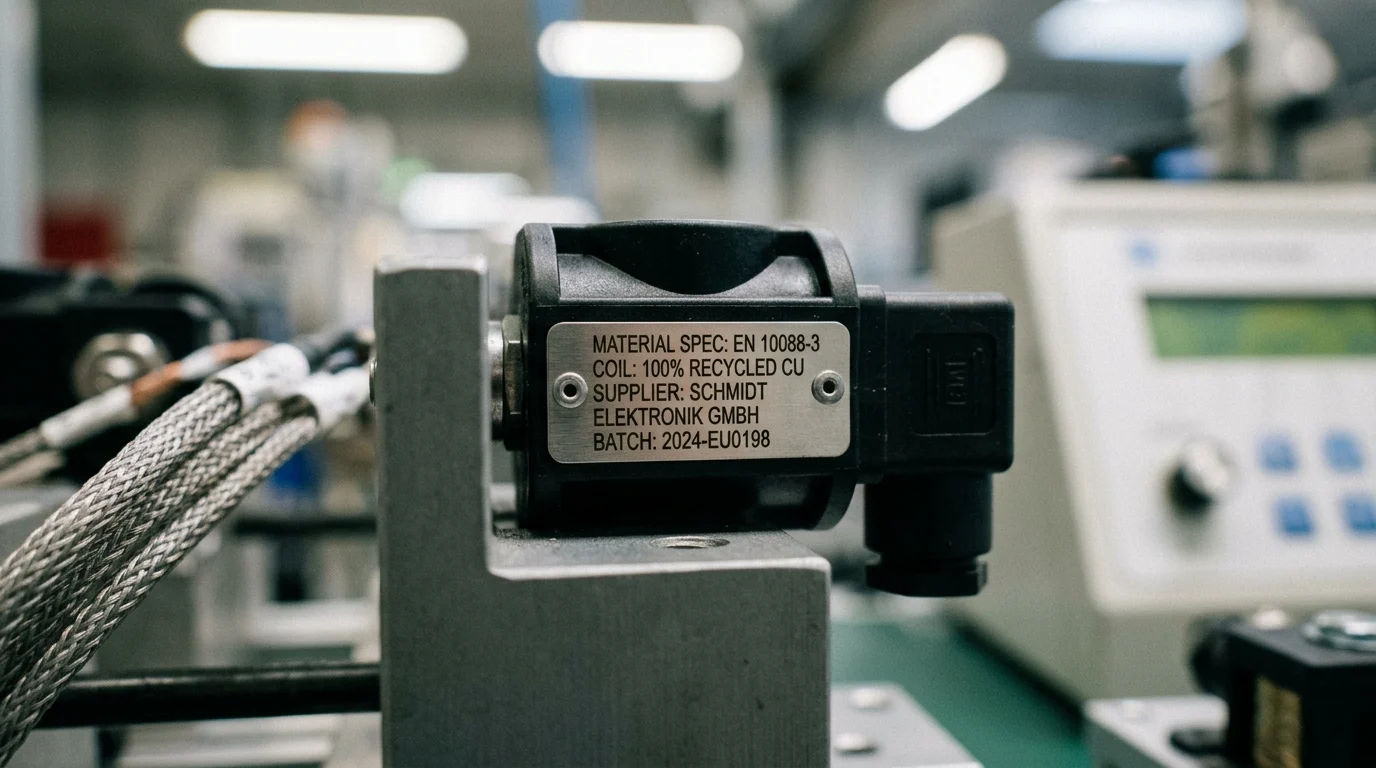
Achieving European Green Deal compliance requires a deep dive into the specific engineering mechanisms and logistical frameworks that dictate a component’s environmental impact. The intersection of intelligent electromechanical design and responsible material sourcing is precisely where solenoid coil suppliers can deliver the most significant, measurable decarbonization benefits to their industrial customers.
Energy Efficiency, Materials, and Durability
The fundamental architecture of a solenoid coil determines its operational energy draw, thermal efficiency, and overall longevity in the field. Traditional continuous-duty coils often consume between 10W and 15W of power during operation, dissipating a significant portion of that energy as waste heat. In contrast, modern suppliers focused on decarbonization utilize advanced dual-power modules, intelligent pulse controllers, and optimized magnetic circuits to drastically reduce holding power consumption to a mere 2W to 5W. Furthermore, the selection of raw materials plays a vital role in compliance. Utilizing highly recyclable copper wire, low-carbon steel housings, and REACH/RoHS-compliant high-temperature plastics extends the operational lifespan of the coil. This durability minimizes replacement frequency, cuts down on maintenance logistics, and significantly reduces downstream electronic waste.
Supplier Comparison Criteria
When evaluating supply chain partners for Green Deal alignment, procurement teams must look beyond basic functional specifications to compare lifecycle sustainability metrics. Buyers need suppliers who can manufacture robust connection components, such as terminal boxes and positioners, that match the longevity of the low-emission coils. The following table highlights the key differences between traditional components and those engineered specifically for modern European compliance frameworks.
| Evaluation Criteria | Traditional Solenoid Coils | Green Deal Compliant Coils |
|---|---|---|
| Holding Power Consumption | High (10W – 15W continuous draw) | Low (2W – 5W with power reduction modules) |
| Material Sourcing | Standard virgin metals and plastics | High-purity recycled copper, RoHS/REACH plastics |
| Supply Chain Traceability | Minimal tracking beyond tier-1 suppliers | Full Lifecycle Assessment (LCA) and CBAM data |
| Thermal Efficiency & Lifespan | Standard thermal tolerance, prone to heat wear | High thermal efficiency, reduced heat degradation |
| End-of-Life Recyclability | Mixed materials, difficult to separate | Modular design optimized for component recovery |
How to Choose the Right Solenoid Coil Supplier
Identifying a solenoid coil manufacturer capable of actively supporting European Green Deal objectives requires a highly methodical approach to global procurement. Buyers must carefully balance technical innovation, validated environmental credentials, and economic realities to secure a resilient, compliant supply chain.
Step-by-Step Supplier Evaluation
A rigorous supplier evaluation begins with a thorough audit of the manufacturer’s internal quality and environmental management systems. Buyers should prioritize suppliers with established quality control frameworks, demanding strict defect rates below 50 Parts Per Million (PPM). Minimizing manufacturing defects directly correlates with reduced raw material waste, fewer return shipments, and lower embedded energy losses. The next critical step involves assessing the supplier’s product portfolio for integrated energy-saving technologies, such as advanced pilot assemblies, pulse control instruments, and optimized magnetic flux designs. Finally, procurement teams must verify the supplier’s administrative capacity to provide detailed material declarations, origin certificates, and the precise carbon footprint documentation necessary for mandatory CBAM reporting.
Balancing Cost, Compliance, and Decarbonization
Transitioning to sustainable electromechanical components often involves navigating complex financial trade-offs. Green Deal-compliant solenoid coils and advanced valve islands may carry a 10% to 20% higher initial unit cost due to the utilization of premium, low-carbon materials and sophisticated power-saving architectures. However, procurement teams must evaluate this through a Total Cost of Ownership (TCO) lens. The upfront premium is rapidly offset by a significantly lower operational energy footprint, the avoidance of hefty European carbon tariffs, and extended component lifespans that reduce machine downtime. By prioritizing suppliers who possess both the technical expertise and the transparent management systems required by modern regulations, original equipment manufacturers (OEMs) can successfully balance cost efficiency with their ultimate decarbonization goals.
Key Takeaways
- Select solenoid coils with reduced holding power, as advanced designs can lower consumption from 10W–15W to approximately 2W–5W.
- Ask suppliers for lifecycle assessment data and material declarations to support Scope 3 emissions reporting under EU sustainability expectations.
- Prioritize suppliers with ISO 14001 and ISO 9001 systems to strengthen both environmental compliance and product quality assurance.
- Specify REACH- and RoHS-compliant materials, recyclable copper, low-carbon steel, and durable high-temperature plastics in procurement requirements.
- Engage solenoid coil suppliers early in the design phase so efficiency, durability, and regulatory compliance are built into the final system.
Frequently Asked Questions
Why do solenoid coils matter for European Green Deal targets?
Solenoid coils affect Scope 3 emissions through power consumption, material choices, reliability, and manufacturing processes. Efficient, durable coils help buyers lower product-level carbon footprints and support EU decarbonization requirements.
How can efficient solenoid coil design reduce emissions?
Modern designs using optimized magnetic circuits, pulse control, or dual-power modules can reduce holding power from typical 10W–15W levels to about 2W–5W, cutting energy use and waste heat during operation.
What regulations should buyers consider when sourcing coils for the EU market?
Buyers should consider the European Green Deal, Fit for 55, ESPR, CBAM, REACH, and RoHS requirements, especially where component emissions, material compliance, and product sustainability affect market access.
What supplier certifications are useful for decarbonization programs?
ISO 14001 supports environmental management, while ISO 9001 demonstrates quality control. Together, they help buyers evaluate whether a solenoid coil supplier can provide consistent, compliant, and lower-impact components.
How do solenoid coil suppliers support Scope 3 emissions reporting?
Qualified suppliers can provide lifecycle assessment data, material declarations, energy-efficiency specifications, and compliance documentation that help customers quantify upstream emissions and meet reporting obligations.
Post time: Jun-30-2026