
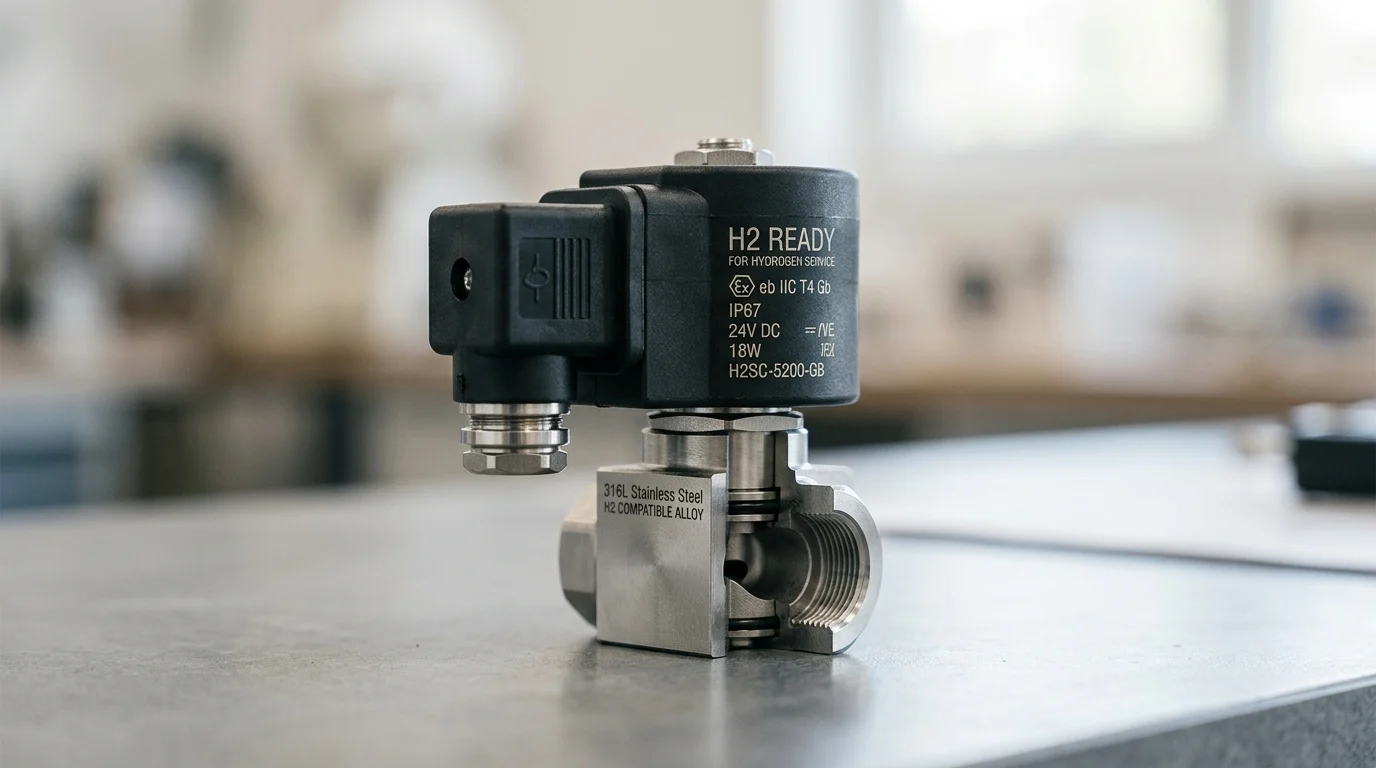
Introduction
As hydrogen projects scale across European hubs, solenoid coil selection has become a design decision with direct consequences for safety, uptime, and compliance. Unlike conventional media, hydrogen exposes coils and surrounding valve assemblies to permeation, embrittlement risks, elevated pressure cycles, and strict thermal limits in potentially explosive environments. This article explains how those conditions affect coil material choices, insulation systems, sealing interfaces, and continuous-duty performance. It also clarifies the practical trade-offs engineers face when specifying coils for electrolyzers, refueling stations, and process skids, so readers can better match electromagnetic performance with hydrogen compatibility and European regulatory expectations.
Why Selecting Solenoid Coils for Hydrogen Service Matters
The rapid expansion of European hydrogen infrastructure, driven by regional decarbonization targets, has placed unprecedented demands on fluid control systems. At the heart of these systems are solenoid valves, which rely on precision-engineered electromagnetic coils to actuate fluid flow safely and reliably. In major hydrogen hubs across Rotterdam, Hamburg, and the Iberian Peninsula, infrastructure projects dictate stringent operational parameters that standard industrial coils simply cannot meet.
Selecting the correct solenoid coil for hydrogen service is not merely a matter of electrical specifications; it is a critical safety and reliability imperative. Hydrogen gas presents a unique combination of extreme flammability, high storage pressures, and a propensity to permeate materials. Consequently, the coils driving these valves must be meticulously specified to prevent catastrophic failures, ensure regulatory compliance, and maintain uninterrupted facility operations.
Hydrogen Duty Cycles, Safety, and Uptime
In European hydrogen hubs, electrolyzers and refueling stations operate under demanding continuous duty cycles. Solenoid coils must be rated for 100% ED (continuous duty) without suffering thermal degradation. Because hydrogen is highly combustible, any heat generated by the coil must be strictly managed to remain well below the auto-ignition temperature of the surrounding environment.
Furthermore, safety mandates require compliance with ATEX directives for explosive atmospheres. Coils deployed in Zone 1 or Zone 2 environments must feature specialized explosion-proof enclosures or intrinsically safe electrical designs. Equipment must also withstand extreme mechanical stresses, as hydrogen refueling stations frequently handle gas compressed to 700 bar, with system burst pressures sometimes exceeding 1,050 bar. Uptime in these commercial hubs is financially critical, making the thermal and mechanical resilience of the coil a primary driver of facility profitability.
Operating Definitions for Coil Selection
Defining the operational parameters for hydrogen-service coils requires looking beyond basic voltage and wattage. Engineers must evaluate the nominal voltage tolerance, which typically must accommodate fluctuations of +/- 10% without loss of magnetic force or excessive heating. In high-pressure hydrogen applications, the required magnetic pull force is substantial, often necessitating high initial inrush currents.
To mitigate the resulting thermal load, advanced solenoid coils employ dual-power modules or pulse-width modulation (PWM) controllers. These technologies allow the coil to deliver a high actuation force before dropping to a maintenance holding power of less than 2.5 watts. This drastic reduction in continuous power consumption minimizes the risk of overheating in enclosed ATEX-rated valve islands, ensuring long-term operational stability.
Material Compatibility and Permeation Challenges
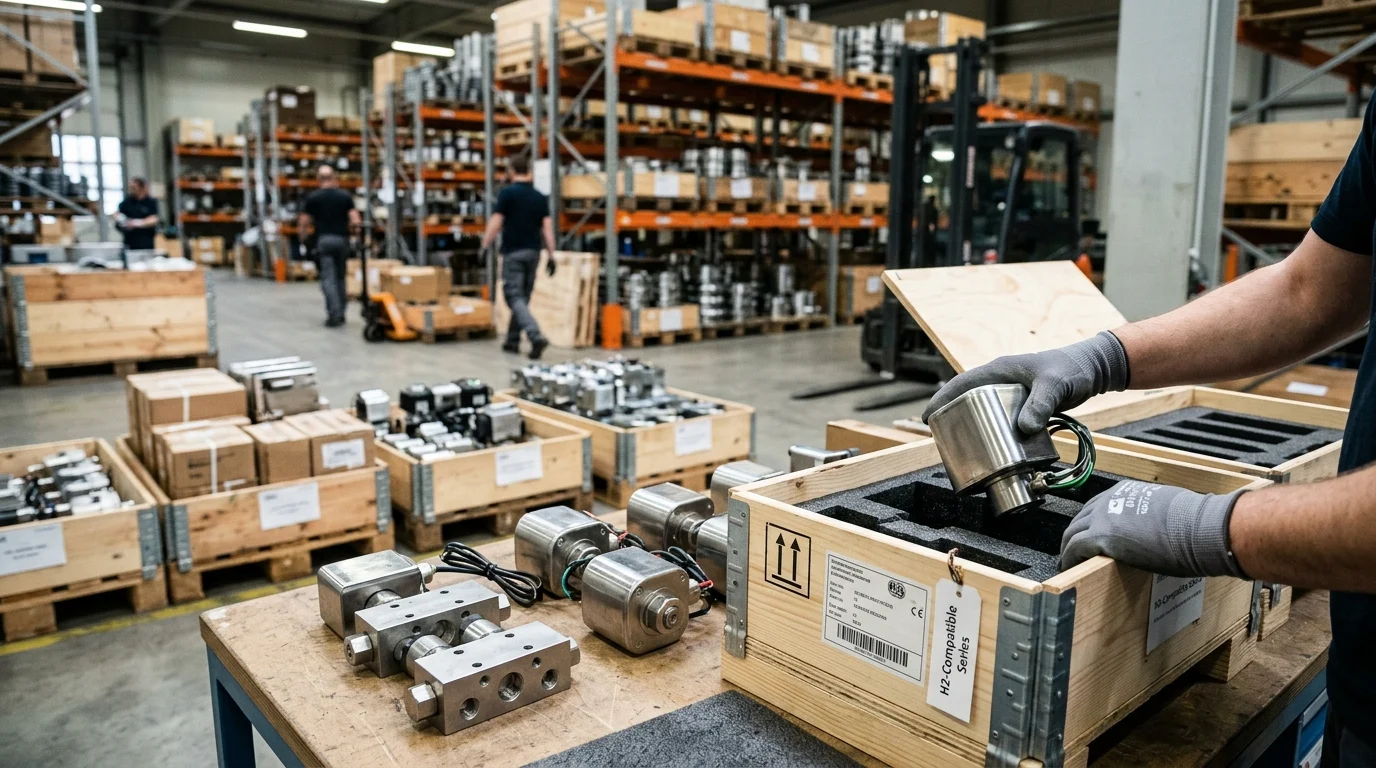
The physical properties of hydrogen introduce severe material compatibility challenges. With a diatomic radius of approximately 74 picometers, hydrogen molecules are small enough to diffuse through many standard polymers and metals. This permeation can degrade the structural integrity of a solenoid coil over time, leading to swelling, cracking, or catastrophic electrical shorts.
Addressing these permeation challenges requires specialized encapsulation materials and rigorous insulation systems. European buyers must evaluate the chemical compatibility of the entire coil assembly, ensuring that the resins, bobbins, and magnet wire coatings are specifically engineered to resist hydrogen embrittlement and gas diffusion under elevated pressures and temperatures.
Insulation Systems and Encapsulation Comparison
The choice of encapsulation material directly impacts the lifespan and safety of the solenoid coil in a hydrogen environment. Standard industrial coils often utilize basic epoxy or Polyamide (PA66), which may degrade or allow gas ingress when exposed to continuous hydrogen flow at high pressures. Instead, high-performance thermoplastics or advanced thermoset resins are mandatory for critical hydrogen infrastructure.
| Encapsulation Material | Temperature Class | Hydrogen Permeability | Typical Application Suitability |
|---|---|---|---|
| Standard Epoxy | F (155°C) | Moderate | General low-pressure fluid control |
| Polyamide (PA66) | F (155°C) | High | Non-critical pneumatic systems |
| Polyphenylene Sulfide (PPS) | H (180°C) | Very Low | High-pressure hydrogen valves |
| Specialized ATEX Resin | N (200°C) | Extremely Low | Zone 1/2 Hydrogen Hub environments |
As demonstrated in the comparison, Polyphenylene Sulfide (PPS) and specialized ATEX-certified resins provide the necessary barrier against hydrogen permeation while supporting Class H (180°C) or Class N (200°C) temperature ratings. These materials ensure that the encapsulation remains hermetically sealed, protecting the copper windings from environmental exposure and mechanical stress.
Key Criteria for Evaluating Hydrogen-Service Coils
When evaluating coils for hydrogen service, ingress protection and leakage thresholds are non-negotiable criteria. Coils must typically meet IP67 or IP69K standards to withstand harsh outdoor conditions common in European coastal hubs. Furthermore, the complete valve and coil assembly must undergo stringent helium or hydrogen leak testing.
Industry standards for hydrogen fluid control dictate that external leakage rates must remain strictly below 1×10^-4 mbar L/s. Additionally, buyers must assess the dielectric strength of the insulation system to ensure it can withstand voltage spikes without arcing—a critical safety factor in explosive atmospheres. Compatibility with specialized connectors, such as DIN EN 175301-803 with molded cables, is also required to eliminate the risk of spark generation at the electrical interface.
How Buyers Should Make the Decision
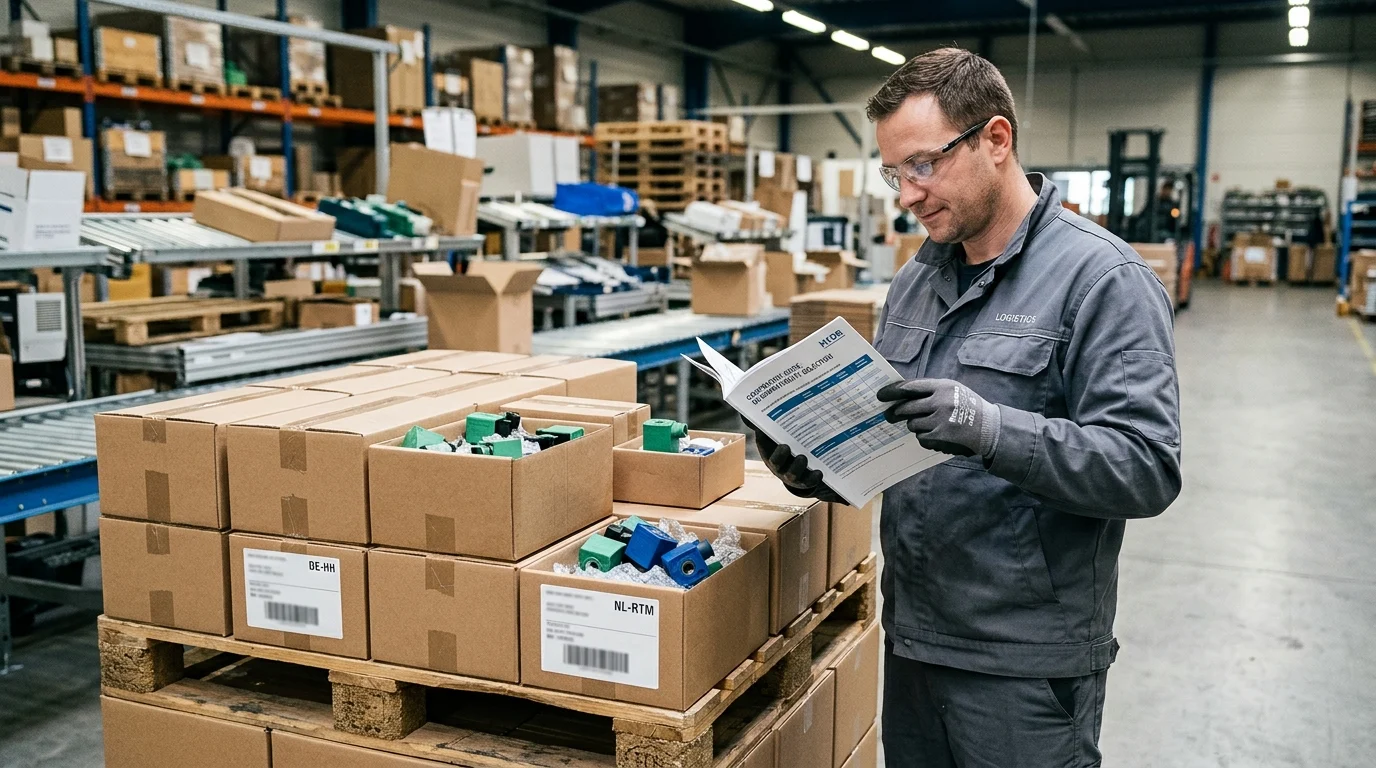
Navigating the procurement of hydrogen-grade solenoid coils requires a strategic approach that balances upfront costs with long-term reliability. The specialized nature of these components means that buyers cannot rely on off-the-shelf commodity purchasing. Instead, procurement teams must collaborate closely with engineering departments to ensure that every specification aligns with both project requirements and European regulatory frameworks.
A rigorous supplier selection process is essential. Manufacturers must demonstrate not only technical capability but also robust quality management systems. Companies like Feiniu (Ningbo) Electronic Technology Co., Ltd. highlight the importance of dedicated R&D and comprehensive testing facilities in producing reliable electromagnetic coils, valve islands, and control modules capable of meeting international industrial standards.
Specification, Qualification, and Supplier Review
Specification begins with translating facility requirements into precise coil metrics, including ATEX certification levels, temperature classes, and power consumption limits. Qualification involves rigorous supplier audits, where buyers should look for adherence to ISO 9001 and, where applicable, automotive-grade IATF 16949 standards, which guarantee high consistency and traceability in manufacturing.
Finally, procurement teams must also account for supply chain realities to
Key Takeaways
- The most important conclusions and rationale for Selecting Solenoid Coils for Hydrogen Service: Material Compatibility and Permeation Challenges in European H2 Hubs
- Specs, compliance, and risk checks worth validating before you commit
- Practical next steps and caveats readers can apply immediately
Frequently Asked Questions
Why are standard solenoid coils risky in hydrogen service?
Hydrogen can permeate common coil materials, causing swelling, cracking, insulation failure, or shorts. Standard coils may also overheat or lack ATEX protection needed for European H2 hubs.
Which encapsulation materials are better for high-pressure hydrogen valves?
Prefer PPS or specialized ATEX-certified resins. They offer much lower hydrogen permeability and higher temperature capability than standard epoxy or PA66 in demanding hydrogen duty.
What duty rating should a hydrogen-service solenoid coil have?
Choose a coil rated 100% ED for continuous duty. This is important for electrolyzers and refueling stations that run continuously and cannot tolerate thermal degradation.
How can coil heating be reduced in enclosed ATEX valve systems?
Use dual-power coils or PWM control. They provide strong initial actuation, then drop to a low holding power, often under 2.5 W, to limit heat build-up.
What compliance checks matter most for coils used in European H2 hubs?
Verify ATEX suitability for Zone 1 or Zone 2, voltage tolerance of about ±10%, and material compatibility with high-pressure hydrogen, especially for 700 bar refueling applications.
Post time: Jun-01-2026