
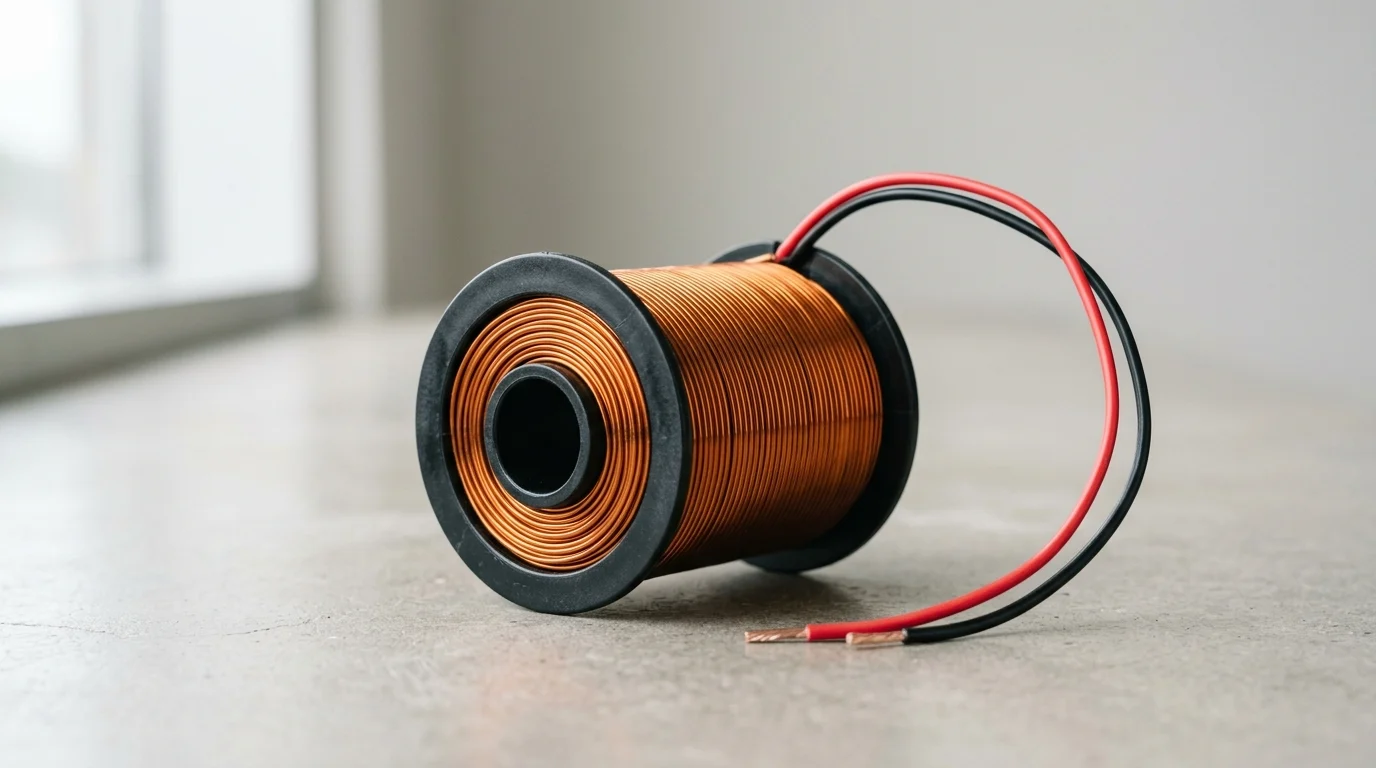
Solenoid Coil Compatibility and Valve Performance
Integrating a high-performance solenoid coil with a stainless steel valve is a fundamental requirement for automated fluid control in European food and beverage (F&B) processing lines. The synergy between the electromechanical actuator and the fluidic body determines system reliability, response times, and overall operational efficiency. Mismatched components can result in sluggish actuation, thermal degradation, or catastrophic line failures.
Key Coil Specifications to Check
Selecting the correct solenoid coil demands rigorous evaluation of electrical and mechanical specifications. In modern European F&B control panels, 24V DC is the predominant standard, minimizing electrical hazards in wet environments, though 230V AC remains prevalent in legacy infrastructure. Power consumption typically ranges from 5W for pilot-operated valves to over 18W for direct-acting configurations handling highly viscous fluids like syrups or dairy. Furthermore, the duty cycle must be rated at 100% ED (Continuous Duty) to prevent coil burnout during extended processing runs.
| Coil Power Rating | Typical Application | Max Pressure Drop (bar) | Armature Tube Diameter (mm) |
|---|---|---|---|
| 5W – 8W | Pilot-operated water/air valves | 10.0 | 10.0 |
| 10W – 14W | Direct-acting standard F&B lines | 5.0 | 13.0 |
| 15W – 18W+ | High-viscosity or high-pressure | 10.0+ | 16.0 |
How to Compare Coil and Valve Fit
Verifying the fit between the solenoid coil and the stainless steel valve requires validating the mechanical interface and the magnetic force profile. The inner diameter of the coil must align perfectly with the valve’s armature tube—standard European dimensions include 10mm, 13mm, and 16mm. A tolerance gap of even 0.5mm can drastically reduce magnetic flux transfer, preventing the valve from overcoming high differential pressures, which frequently reach up to 10 bar in fluid pipelines.
Procurement engineers must cross-reference the coil’s pull-in and drop-out voltage characteristics against the valve’s spring rate and the specific gravity of the processed media. An undersized coil will fail to open the valve against line pressure, while an oversized coil wastes energy and generates excessive heat, potentially compromising the hygienic integrity of the surrounding components.
Compliance, Materials, and Operating Conditions
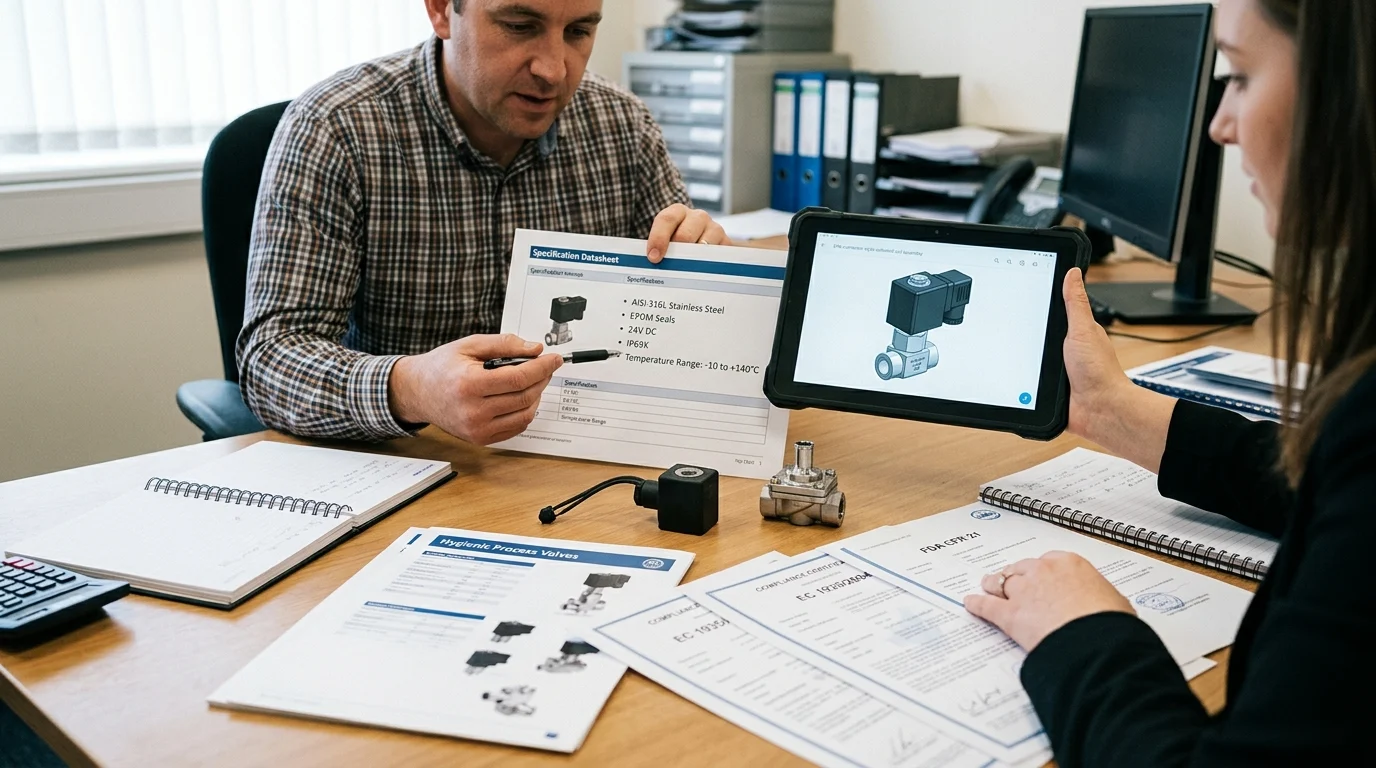
European food and beverage manufacturing facilities operate under some of the most stringent regulatory and environmental conditions globally. While the solenoid coil does not directly contact the process media, its proximity to the stainless steel valve and exposure to the external production environment necessitate rigorous compliance and robust material engineering.
Relevant Hygienic and Electrical Standards
Solenoid coils imported into or distributed within the European Economic Area must adhere to strict conformity standards. CE marking is mandatory, encompassing the Low Voltage Directive (LVD) and Electromagnetic Compatibility (EMC) Directive to ensure the coil does not interfere with sensitive plant instrumentation. Component materials must comply with RoHS and REACH regulations, eliminating hazardous substances from the manufacturing process.
In specialized F&B segments, such as grain milling or spirit distillation, where combustible dust or vapors are present, ATEX certification is a non-negotiable prerequisite. Coils deployed in these explosive atmospheres must be certified for Zones 2, 21, or 22 to guarantee explosion-proof safety across the processing facility.
Effects of Washdown, Temperature, and Chemicals
The external environment of a hygienic F&B line poses severe challenges to electromechanical components. Facilities routinely employ Clean-In-Place (CIP) and Sterilize-In-Place (SIP) protocols, subjecting valves and coils to caustic chemicals, sodium hydroxide foams, and high-pressure washdowns. To survive these regimens, a solenoid coil must feature an IP69K ingress protection rating, guaranteeing resistance to water jets at 100 bar pressure and 80°C temperatures.
Additionally, the internal copper windings must be encapsulated in high-grade synthetic resins, such as epoxy or specialized polyamides. This encapsulation must be paired with electrical insulation rated to Thermal Class F (155°C) or Class H (180°C) to withstand both ambient heat and internal Joule heating without structural degradation or electrical shorting.
B2B Sourcing and Supplier Qualification
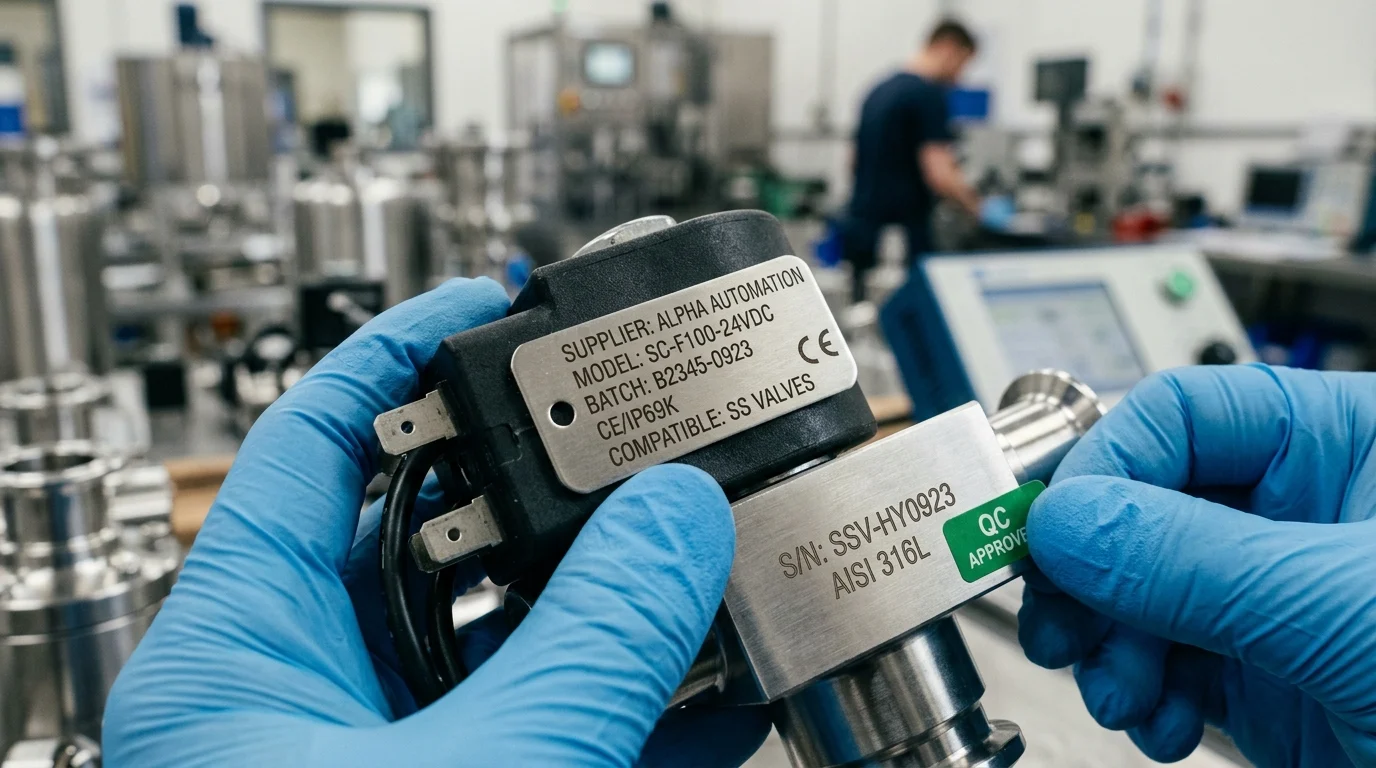
For B2B wholesale buyers, industrial distributors, and OEM procurement teams, sourcing reliable solenoid coils requires a strategic approach to supply chain management. Successfully qualifying suppliers ensures component consistency, protects profit margins, and minimizes downtime for European F&B end-users.
Supplier, MOQ, Lead Time, and Margin Checks
Procurement professionals must balance unit costs with logistical realities when negotiating contracts for solenoid coils. Standard encapsulation coils typically carry Minimum Order Quantities (MOQs) ranging from 500 to 1,000 units, whereas highly specialized ATEX-rated or custom-voltage variants may require MOQs exceeding 2,000 units to justify dedicated production runs.
Lead times are a critical variable in inventory planning; buyers should factor in 6 to 12 weeks for manufacturing and freight from Asian manufacturing hubs to European distribution centers. Distributors serving the European F&B sector generally target gross margins of 25% to 40% on replacement parts, necessitating rigorous cost control at the factory level without compromising the IP69K or thermal specifications required by the market.
Approval and Qualification Process
The supplier qualification process must be exhaustive to mitigate risks of line stoppage or regulatory non-compliance. Importers should mandate that manufacturing partners hold active ISO 9001:2015 certifications and provide full traceability for copper sourcing and encapsulation resins. The approval workflow typically begins with a First Article Inspection (FAI), where sample units are subjected to dielectric strength testing, thermal shock cycling, and accelerated life testing.
Volume approval should only be granted after the solenoid coil successfully demonstrates sustained magnetic flux under simulated 10-bar valve pressure and elevated temperatures for a minimum of one million actuation cycles. This rigorous validation protects the distributor’s reputation and guarantees seamless compatibility with high-grade stainless steel hygienic valves.
Key Takeaways
- Wholesale sourcing and supply-chain implications for Solenoid Coil
- Specifications, compliance, and commercial terms buyers should validate
- Actionable recommendations for distributors and procurement teams
Frequently Asked Questions
What voltage is most common for solenoid coils in European food and beverage lines?
24V DC is most common because it improves safety in wet hygienic areas. Use 230V AC mainly when matching legacy control panels.
How do I check if a solenoid coil fits a stainless steel valve?
Match the coil inner diameter to the valve armature tube exactly, typically 10mm, 13mm, or 16mm. Even a 0.5mm mismatch can weaken actuation.
Which duty cycle should a coil have for continuous processing?
Choose a 100% ED continuous-duty coil. It is designed to stay energized during long production runs without overheating or burning out.
What protection rating is best for washdown and CIP/SIP areas?
Select an IP69K coil with epoxy or high-grade polyamide encapsulation. This helps it resist high-pressure washdowns, hot water, and aggressive cleaning chemicals.
Which certifications should buyers verify for coils used in EU hygienic plants?
Check for CE compliance covering LVD and EMC, plus RoHS and REACH. If dust or vapor explosion risk exists, require ATEX certification for the relevant zone.
Post time: Apr-21-2026